


Understanding why insurance companies make quick settlement offers isn’t just interesting information. It’s protection. In Las Vegas, Nevada, where accident claims move fast and insurance adjusters are highly trained, knowing the strategy behind that early offer could be the difference between full compensation and a settlement that barely covers your first round of medical bills.
Before you sign anything, contact us at Howard Injury Law for a free case review.

The Real Reason the Offer Came So Fast
Insurance Is a Business — and Early Settlements Save Them Money
Insurance companies are not charitable organizations. They are for-profit businesses, and their financial performance depends on paying out as little as possible on each claim.
When an adjuster calls you within days of an accident, that speed is strategic. A fast offer locks in your damages at the lowest possible moment — before the full picture of your injuries has emerged, before you’ve spoken with a Las Vegas personal injury attorney, and before you know what your case is actually worth.
Early offers are consistently lower than a claim’s true value. In many cases, significantly lower. The gap isn’t an accident.
They Want to Close the File Before Your Injuries Are Fully Known
Many serious injuries don’t show up immediately. Soft tissue damage, traumatic brain injuries, herniated discs, and internal injuries often take days or weeks to fully manifest. You may feel sore and shaken today but not yet understand the scope of what you’re dealing with.
Insurance companies know this. When they push for a fast resolution, they’re betting — correctly, in many cases — that you don’t yet know what your injuries will cost you. If you settle before your medical treatment is complete, or before you’ve reached maximum medical improvement, you’re settling for less than what your future expenses will demand.
What Happens When You Sign a Release Form
One Signature Ends Your Claim — Permanently
Every settlement offer comes with a release form. This document is not a formality. It is a legally binding agreement that permanently waives your right to seek any additional compensation — even if your condition worsens, even if complications arise, even if the true extent of your injuries only becomes clear months later.
In Nevada, once you’ve signed a release, you cannot go back. There is no recourse if the nerve damage turns out to be more serious than the initial MRI suggested, or if you need surgery that wasn’t anticipated when you accepted the offer.
Insurance adjusters are trained to move claimants toward signing quickly. The faster they close the file, the less they pay — and the less exposure they carry if your medical situation evolves.
You Have Two Years — Don’t Let Urgency Override Your Rights
Nevada’s statute of limitations gives most personal injury victims two years from the date of the accident to file a claim. That does not mean you should wait two years. But it does mean the pressure to settle in the first two weeks is manufactured, not legal.
A reasonable timeline allows you to understand your injuries, consult with a Las Vegas personal injury lawyer, gather medical records, and negotiate from a position of knowledge. Accepting an offer before that process is complete almost always means leaving money on the table.
How Insurance Companies Target Financial Vulnerability
Medical Bills, Lost Wages, and the Pressure They Create
This is the part most people don’t talk about openly: insurance companies know that accident victims are financially stressed. You’ve missed work. Medical bills are piling up. Your car may not be repaired yet. The last thing you want is a prolonged legal process.
Adjusters are trained to recognize that window. An early offer — even one that’s inadequate — feels like a lifeline when you’re staring at a stack of bills. The goal is to reach you before you’ve had time to stabilize, consult an attorney, or fully understand your options.
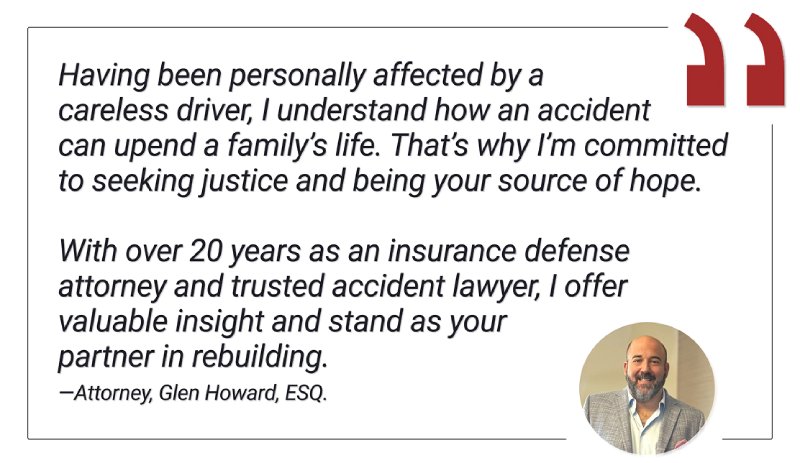
Glen Howard, the Las Vegas personal injury attorney behind Howard Injury Law, spent years on the insurance defense side before representing injured clients. That background means he understands exactly how adjusters think — and what they’re doing when they pick up the phone.
Unrepresented Claimants Settle for Less — and Insurers Know It
Injury victims who hire an attorney consistently recover more than those who negotiate on their own — even after attorney fees. Insurance companies know this too. An unrepresented claimant is easier to settle quickly and cheaply.
When you haven’t hired a Las Vegas personal injury attorney, adjusters operate with less pressure. There’s no one reviewing their valuation, requesting full documentation of their calculation, or pushing back with evidence of your actual damages. The offer reflects that imbalance.
Why Avoiding Litigation Is Worth More to Them Than the Settlement Amount
Lawsuits Are Expensive — and That’s a Leverage Point for You
Once a personal injury claim moves into litigation, the insurance company’s costs increase significantly. They have to hire defense attorneys, engage expert witnesses, prepare for depositions, and potentially face a jury. That exposure adds up fast.
A quick settlement eliminates all of that. Even if they pay you more than they’d like, settling early almost always costs them less than going to trial. The offer they’re presenting isn’t necessarily the most they’re willing to pay — it’s the minimum they hope you’ll accept.
Understanding this dynamic changes how you approach the conversation. You’re not at their mercy. You have leverage — especially if you’re working with an attorney who is willing and prepared to litigate.
Glen Howard’s Background Changes the Equation
Not every personal injury attorney in Las Vegas is viewed the same way by insurance companies. Firms that settle everything without fighting present less risk. Adjusters know which attorneys actually take cases to trial and which ones don’t.
Glen Howard’s background in insurance defense, combined with a genuine trial-ready approach, signals something different to the other side. Insurance companies recognize when they’re dealing with a lawyer who will litigate if necessary. That recognition often produces better offers without requiring a courtroom.
Red Flags That an Early Offer Is Too Low
Your Medical Treatment Isn’t Finished
If you are still receiving treatment — physical therapy, pain management, specialist visits — your total medical expenses are not yet known. Settling before treatment concludes means the offer cannot reflect future costs.
A fair settlement accounts for past medical bills, ongoing treatment, and projected future care. An offer made in the first few weeks almost certainly does not include all three.
You Haven’t Been Evaluated for Long-Term Impact
Beyond medical bills, a personal injury claim can include compensation for lost earning capacity, permanent impairment, and pain and suffering. These elements require documentation, medical opinions, and in many cases expert evaluation.
If an offer arrives before any of this analysis has occurred, it is not accounting for the full value of your claim. That is not an oversight — it is the intent.
No Attorney Has Reviewed the Offer
Most personal injury attorneys in Las Vegas — including Howard Injury Law — offer free case evaluations. You are not required to retain legal representation to get a second opinion on a settlement offer.
If you’ve received an offer and you’re not sure whether it’s fair, a conversation with an attorney costs you nothing upfront. It might change everything. You can start that conversation at Howard Injury Law’s Free Case Review page.

Frequently Asked Questions
Should I accept the first settlement offer from the insurance company?
In most cases, no. The first offer is a starting point, not a final number — and it’s almost always lower than what your case is actually worth. Before you accept anything, you should have finished medical treatment, understand the full scope of your injuries, and spoken with a personal injury attorney. Once you sign a release form, your claim is closed permanently. There’s no going back if your condition worsens. For more on this, see our blog on whether you should accept the first settlement offer from insurance in Las Vegas.
Why do insurance companies want to settle quickly?
Insurance companies benefit from fast settlements in several ways: they pay you less before the full extent of your injuries is known, they avoid future litigation costs, and they close the claim before you’ve had a chance to consult with an attorney. Quick settlement offers are a business strategy. They are not designed with your best interest in mind.
How do I know if a settlement offer is fair?
A fair settlement should cover all past and future medical expenses, lost income, reduced earning capacity, property damage, and pain and suffering. If the offer doesn’t include all of those categories — or if you haven’t finished treatment — the offer is likely too low. An experienced Las Vegas personal injury attorney can evaluate the offer against the full value of your claim at no upfront cost to you.
What happens if I talk to the insurance company without a lawyer?
Insurance adjusters are trained negotiators. Anything you say — including statements about your injuries, the accident, or your recovery — can be used to reduce your payout. Unrepresented claimants consistently receive lower settlements. Before responding to an adjuster or any offer, read our post on what the insurance adjuster actually does with your claim.
The Offer Was Fast. Your Response Doesn’t Have to Be.
The speed of that initial call is not courtesy — it’s calculation. Insurance companies move fast because fast settlements are cheaper settlements, and because they know an injured person under financial stress is more likely to accept less than they deserve.
You have rights under Nevada law. You have time. And you have options that cost you nothing upfront.
A client we worked with came to us after receiving an early offer following a crash on I-15. She was still in treatment, still out of work, and felt like the offer was the only path forward. After we reviewed her case at no charge, the actual value of her claim turned out to be substantially higher. We handled everything from that point forward — including all communications with the insurance company.
That’s what a free consultation can do. It replaces confusion with clarity.
If you’ve already received an offer, or an adjuster has been calling, start with a free case review at Howard Injury Law. Glen Howard answers your questions directly — 24/7. No forms, no pressure, no obligation.
And before you respond to anything, read our post on why you shouldn’t talk to the insurance company without a lawyer.