Howard Injury Law

Las Vegas Personal Injury Lawyer

Workers Compensation & Third-Party Injury Lawyer Las Vegas

Hurt at Work in Las Vegas?
Comp Isn’t Your Only Case.
The Third Party Is.

Workers’ comp never pays for pain and suffering. If a driver, subcontractor, or equipment maker caused your injury, you may have a second claim. We handle third-party cases, not comp-only.


Satisfied Clients
$80 Million Recovered
No Fee Unless We Win
Attorney Glen Howard - Workers Compensation and Third-Party Injury Lawyer Las Vegas
NAOPIA Top Attorney Avvo Clients Choice 2018 Award Badge Multi-Million Dollar Advocates Forum Award Badge Best Workers Comp Law Firm Top 100 Personal Injury Attorneys Award Badge

Can You Sue a Third Party After a Workplace Injury in Las Vegas?

Yes, if someone other than your employer or a coworker caused your injury. Nevada workers’ comp blocks lawsuits against your employer (NRS 616A.020), but it doesn’t protect a negligent driver, subcontractor, property owner, or equipment maker. You can collect comp and file a third-party injury claim against them at the same time (NRS 616C.215).

Comp covers your medical bills and part of your wages. A third-party claim covers what comp leaves out: pain and suffering, full lost wages, and lost earning capacity.

Workers’ Comp vs. a Third-Party Injury Claim in Nevada
  Workers’ Comp Third-Party Injury Claim
Who pays Your employer’s comp insurance carrier The at-fault party’s insurance company
Do you have to prove fault? No. Comp is no-fault. Yes. Their negligence must have caused your injury.
Pain and suffering Not covered Can be recovered
Lost wages Partial wage replacement Full lost wages, plus lost earning capacity
Medical bills Covered Can be recovered, including future care
The comp lien Comp may be repaid from your settlement We account for the lien so you know your real net recovery

$80M+

Recovered for Nevada injury victims

20+

Years handling Nevada accident cases

1,000+

Clients represented across Las Vegas

$0

No Win, No Fee zero upfront cost to you

Who Can Be Held Liable for a Workplace Injury in Las Vegas?

Anyone whose negligence caused your injury, except your employer and coworkers. In Las Vegas, that’s most often another contractor on a job site, a driver who hits you on the clock, a property owner, an equipment maker, or an outside resort vendor.

  • Other Contractors on a Construction Site

    Another company’s crew drops materials, leaves an open trench, or puts up unsafe scaffolding. A subcontractor that isn’t your employer may owe you a third-party claim.

    Las Vegas: Strip resort remodels and new-home builds in Henderson and Summerlin

  • Drivers Who Hit You While You’re on the Clock

    You’re driving for work, making deliveries, or working roadside when a negligent driver crashes into you. Comp covers part of it. The at-fault driver’s insurance owes the rest.

    Las Vegas: the I-15/US-95 Spaghetti Bowl, Las Vegas Boulevard, and Tropicana Avenue

  • Property Owners Where You’re Working

    You’re hurt on property your employer doesn’t control: a broken loading dock, a collapsed stair, an unmarked hazard. Delivery drivers, HVAC techs, and installers see this most often.

    Las Vegas: Strip back-of-house loading docks, warehouses, and local businesses

  • Equipment and Machinery Makers

    A forklift, ladder, saw, or scaffold fails because of a defect or a missing guard. Nevada product liability law can hold the manufacturer responsible without proving anyone was careless.

    Las Vegas: construction sites, warehouses, and resort maintenance shops

  • Resort Contractors and Vendors

    If you work at a resort, the outside companies it hires aren’t your employer. Escalator maintenance, security, cleaning, and event crews may be held liable when their negligence hurts you.

    Las Vegas: Strip and downtown casino resorts and the Las Vegas Convention Center

How Insurers Fight a Third-Party Workplace Injury Claim in Nevada

The at-fault company’s insurer knows you’re already on comp, and it uses that against you. Their goal is to shift the blame to your employer and convince you comp was enough.

  • “It Was Your Employer’s Fault”

    They point at your employer or a coworker, the one party you can’t sue, to make their own share disappear. We trace the evidence back to their crew, their equipment, or their property.

  • “Comp Already Paid You”

    They act like your comp checks settle the matter. They don’t. Comp never paid for pain and suffering, and the comp insurer gets repaid from your recovery, so it’s not a discount.

  • Your Comp File Used Against You

    They pull your comp medical records, exam reports, and return-to-work notes, then highlight any line that makes you look less hurt than you are.

  • The “Routine” Recorded Statement

    Their adjuster calls with friendly questions about how the job worked. Every answer about who was in charge or what you were doing becomes material to shift the blame.

  • “That’s Just Wear and Tear”

    Physical jobs take a toll, so they blame your back, knees, or shoulders on years of work instead of the crash, fall, or machine that actually injured you.

Every one of these works better when no one is handling your comp lien and your third-party claim at the same time.

“Most people hurt at work think comp is the end of the road. It isn’t. If a driver, another contractor, or a defective machine caused your injury, that company owes you what comp never will.

Their insurer will blame your employer and point to the comp checks you already got. I know that playbook from the defense side. You focus on healing. We find the third party, handle the comp lien, and fight for what you’re really owed.”
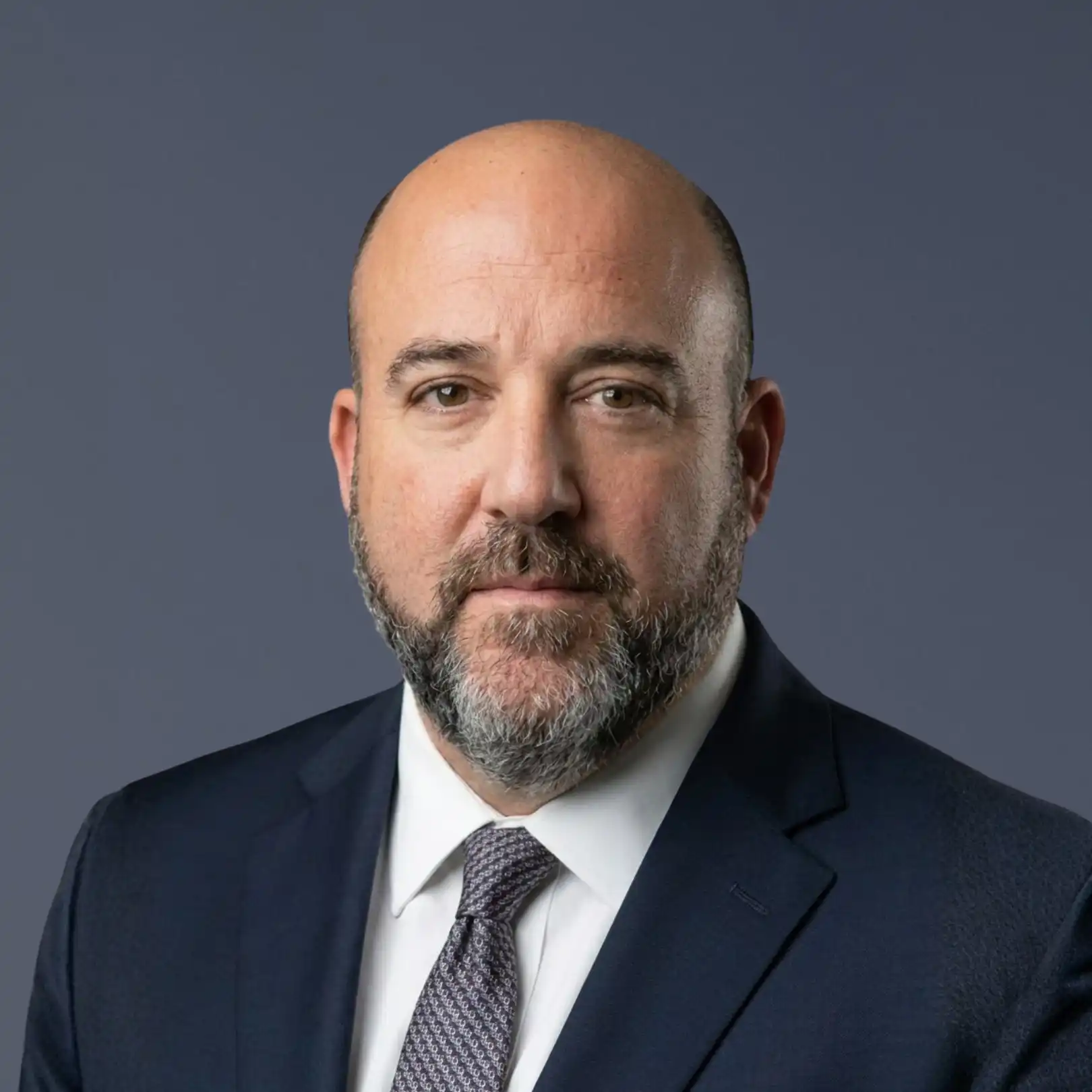
–Glen, Owner of Howard Injury Law
Glen Howard, owner of Howard Injury Law, Las Vegas workers compensation and third-party injury lawyer
Tell Us What Happened

How a Third-Party Injury Lawyer Proves Liability in Las Vegas

We prove two things: an outside party was negligent, and that negligence caused your injury. Much of the evidence belongs to other companies and can disappear once a job wraps up, so we move to lock it down early.

Evidence What It Proves Why It Can’t Wait
Job-site incident reports and daily logs Which company was working where and who controlled the hazard Held by contractors and harder to get after the project closes
Contracts and subcontracts Who was responsible for safety on that task, and whether anyone shares your employer’s immunity Decides early whether a third-party claim exists
Nevada OSHA records Safety violations by the at-fault company Inspection findings support negligence while witnesses still remember details
Crash reports and vehicle data Fault for on-the-clock crashes on Las Vegas roads and highways Electronic data in commercial vehicles can be overwritten
The equipment and its maintenance records Whether a defect, missing guard, or bad repair caused the injury Once it’s fixed or thrown out, a product claim can disappear
Surveillance video and witnesses What actually happened and who did it Business and resort cameras record over footage; crews move to other jobs
Your comp medical records Your injuries, treatment, and how they connect to the incident Also sets the comp lien, which shapes your net recovery

What to Do After a Workplace Injury in Las Vegas

After a workplace injury, get medical care, report it to your employer, and identify any outside company involved before the job site changes. These six steps protect your comp benefits and your third-party claim.

  1. Get Care and Report It in Writing

    Get medical care, then report the injury to your employer in writing right away. Nevada comp has short reporting deadlines, and a late report gives everyone a reason to doubt your claim.

  2. Tell Your Doctor How It Happened

    Name what caused it: the driver who hit you, the crew that dropped materials, the ladder that failed. Your medical records should connect the injury to that outside party.

  3. Identify the Third Party

    Write down company names on trucks and vests, the other driver’s insurance, the property owner, and the brand and model of any equipment involved. Get the police report number for any crash.

  4. Preserve the Evidence

    Photograph the scene, your injuries, and any equipment. Ask in writing that broken tools or machines be kept as they are, and get names of witnesses from every crew.

  5. Skip the Recorded Statement

    If the other company’s insurer calls, don’t give a recorded statement or sign anything. Their questions are built to shift the blame to your employer or you.

  6. Coordinate Both Claims

    Your comp claim and third-party claim affect each other through the comp lien. Settling one without accounting for the other can shrink what you take home.

Nevada’s Two-Year Filing Deadline

Most Nevada third-party injury claims must be filed within two years of the injury under NRS 11.190(4)(e). Workers’ comp has its own, much shorter reporting deadlines, and claims against a government entity can follow different rules. Our Las Vegas personal injury lawyers can identify the third party and send preservation letters the day you call.

Las Vegas Third-Party Workplace Injury FAQs

Can I sue a third party while on workers' comp in Nevada?

Yes. Workers' comp blocks lawsuits against your employer and usually your coworkers (NRS 616A.020), but you can file a claim against a negligent outside party, like a driver, subcontractor, property owner, or equipment maker, while you collect comp (NRS 616C.215).

Can I sue my employer for a workplace injury in Nevada?

Usually no. In Nevada, workers' comp is generally your only remedy against your employer. If someone outside your company caused or contributed to the injury, you may have a separate third-party claim.

Can I get workers' comp and a personal injury settlement at the same time?

Yes. You can receive comp benefits and pursue a third-party injury claim together. The comp insurer is generally repaid from the third-party recovery through a lien, so the two claims need to be coordinated.

Does workers' comp get paid back from a settlement in Nevada?

Generally, yes. Under NRS 616C.215, the comp insurer has a lien on a third-party recovery for the benefits it paid, usually reduced by its share of attorney's fees and costs. How the lien is handled directly affects your net recovery.

What if I was in a car accident while working in Las Vegas?

You likely have two claims: workers' comp and a third-party claim against the at-fault driver. Comp covers medical bills and part of your wages, and the driver's insurance can cover pain and suffering and the rest of your losses.

Can I sue a subcontractor for a construction accident in Nevada?

Sometimes. A subcontractor that isn't your employer may be liable, but Nevada's statutory-employer rules can extend comp immunity to some contractors on the same project. The contracts usually decide it, so have them reviewed early.

How long do I have to file a third-party injury claim in Nevada?

Two years from the injury in most cases, under NRS 11.190(4)(e). Claims against a government entity can follow different rules, and workers' comp has its own, much shorter reporting deadlines.

Does Howard Injury Law handle workers' comp-only cases?

No. We take workplace injury cases only when a third party, someone other than your employer or a coworker, caused or contributed to the injury. When one did, we evaluate your comp benefits and the third-party claim together. Not sure? The case review is free.

How much does a third-party injury lawyer cost in Las Vegas?

Nothing up front. Howard Injury Law works on a contingency fee, so you pay no attorney fee unless we recover compensation for you, and the case review is free.

Hurt at Work in Las Vegas? Find Out If a Third Party Owes You.

Tell us what happened and we’ll tell you whether someone other than your employer is liable. The case review is free.

No fee unless we win · Answered 24/7 · Se Habla Español · 中文

Verified Google Reviews

Injured Clients We've Fought For.

Rated 5 stars by Las Vegas injury clients of Howard Injury Law
See All Reviews

Get To Know Glen Howard, ESQ.

Founding attorney Glen Howard has spent his career standing beside injured Las Vegas residents and visitors after a serious accident or workplace injury turned their lives upside down — and that's shaped the compassion he brings to every case. He and his team understand that a serious workplace injury caused by someone else's negligence isn't a case file; it's a life-changing event for you and the people who love you, and it's treated that way here. He has recovered more than $80 million for injury victims and their families, and you'll work directly with Glen and a dedicated case manager who handle you with care and respect — not a rotating cast of paralegals.

Read Glen's full story

You Deserve to Focus on Healing. We'll Handle Everything Else.

You never expected to be here. No one is supposed to know how to fight an insurance company, preserve evidence, or figure out how your comp claim and a third-party claim fit together while recovering from a workplace injury.

That's what we do.

Howard Injury Law is available 24/7. The consultation is free and confidential. You pay nothing unless we recover for you. And because Nevada sets a deadline to act, reaching out sooner keeps more of your options open. However you found us — searching for a workplace injury lawyer in Las Vegas, or referred by someone who trusted us with their case — we're ready when you are, and there's no pressure to decide anything today.

Las Vegas Community Resource

If you're unsure what to do after an accident — or want to help protect the people you love — HIL Helps is our free 24/7 community resource, open to everyone, not just clients.

Howard Injury Law

6330 Spring Mountain Rd Ste D, Las Vegas, NV 89146

Serving Nevada, California, Arizona, Colorado
(702) 331-5722

We're Here For You

  • Se habla español
  • 我们说普通話和粤语
  • Free consultation available 24/7

We represent injury victims and grieving families across Las Vegas, Nevada with elite trial experience and courtroom strength. When your family’s future is at stake, you deserve a lawyer who prepares every case as if it’s going to trial.