Nevada law gives close surviving family members the right to pursue a wrongful death claim after a fatal crash — a right that exists to hold the responsible driver accountable and help provide for the family left behind.

Las Vegas Personal Injury Lawyer
Nevada law gives your family the right to hold the responsible driver accountable — and the window to act is shorter than most people realize. We take on the insurance companies and the legal fight so you can focus on your family.




Yes. When someone is killed in a car accident caused by another driver, Nevada's wrongful death law gives the surviving family the right to hold that driver accountable and recover for their loss. This claim is entirely separate from any criminal case or police investigation — and the decision to pursue it belongs to your family. You don't have to have every answer right now. You only need to know the option exists, and that there is a limited window to act on it.
Nevada law gives close surviving family members the right to pursue a wrongful death claim after a fatal crash — a right that exists to hold the responsible driver accountable and help provide for the family left behind.
Whether or not the driver is charged or ticketed, your family's civil claim stands on its own. A criminal case punishes the driver; your claim is how your family recovers.
The at-fault driver's insurance company is already protecting itself. We take on the calls, the paperwork, and the pressure — so you can focus on your family instead of a claim.
There's one part that can't wait: Nevada sets a firm deadline to file a wrongful death claim, and it's often shorter than families expect. The sooner you understand it, the more of your options stay open.
$80M+
Recoveredfor Nevada injury victims
20+
Yearshandling Nevada car accident cases
1,000+
Clientsrepresented across Las Vegas
$0
No Fee Unless We Winzero upfront cost to you
Most fatal crashes trace back to a single preventable choice another driver made — speeding, impairment, distraction, or ignoring the rules of the road. Naming that choice matters, because it's what establishes who was responsible — and responsibility is the foundation of your family's claim.
The faster a vehicle is moving, the more force it carries and the less time a driver has to react. On the valley's wide, high-speed roads, speeding is one of the most common factors in fatal crashes.
A driver under the influence of alcohol or drugs has slower reflexes, poorer judgment, and reduced control — a preventable choice that too often turns a routine drive deadly.
A phone, a text, or a moment's inattention takes a driver's eyes off the road long enough to miss a stopped car, a red light, or a person in the crosswalk — with irreversible results.
Blowing through a red light or stop sign creates high-speed, high-angle collisions at intersections — among the most lethal crash types on city streets.
Turning across traffic, merging without looking, or ignoring the right of way puts the burden on everyone else to avoid a crash — and when they can't, the results can be fatal.
A driver entering a freeway ramp or lane in the wrong direction causes head-on collisions at combined speeds few people survive — often tied to impairment or disorientation.
Fatal crashes aren't spread evenly across the valley. A handful of high-speed, high-volume corridors account for a disproportionate share — including Las Vegas Boulevard (the Strip), Boulder Highway, and major arterials like Tropicana, Sahara, Charleston, Flamingo, and Rainbow. Wide lanes, fast-moving traffic, long distances between crosswalks, and heavy late-night activity make these roads especially dangerous — and knowing exactly where and how a crash happened is often the first step in proving what went wrong.
Whatever the cause, one question decides your family's claim: who was responsible. That's where we start.
Usually the at-fault driver — but not always only the driver. Nevada law lets your family pursue every party whose negligence contributed to the crash. That matters more than most families realize: when one driver's insurance isn't enough to cover the loss, identifying additional responsible parties can be the difference between a claim that falls short and one that actually provides for your family's future.
The driver whose negligence caused the crash is the primary responsible party. Their auto insurance is typically the first source of recovery for your family.
If the at-fault driver was working — making deliveries, driving for a company, or on the clock — their employer may share responsibility and carry far larger insurance coverage.
A dangerously designed intersection, a broken signal, or a poorly maintained road can make a public agency a responsible party. These claims follow special rules and stricter deadlines, so they must be identified early.
In a multi-vehicle or chain-reaction crash, more than one driver may share fault. Other parties — such as someone who created a hazard on the road — can also bear responsibility for what happened.
Not every fatal crash is caused by a private driver alone. Along the valley's busiest corridors — Las Vegas Boulevard (the Strip), Boulder Highway, and heavily traveled intersections on Tropicana, Charleston, and Sahara — a dangerously designed junction, a malfunctioning traffic signal, or a poorly maintained roadway can make a public agency a responsible party. That can include the Nevada Department of Transportation (NDOT), the Regional Transportation Commission (RTC), or a city or county. Claims against government entities follow special procedures and much tighter deadlines than claims against private drivers — one more reason to have every responsible party identified as early as possible.
Identifying who's responsible is only half the fight. Once we do, their insurers go to work protecting themselves — here's how they'll try to limit what your family recovers.
Even when fault seems obvious, the at-fault driver's insurance company will look for ways to pay your family less. Their tactics are predictable — and knowing the playbook is how we stay ahead of it.
"Your loved one was partly at fault for the crash."
Our CounterInsurers shift blame onto the person who died because they can't respond. Under Nevada's comparative negligence rule (NRS 41.141), your family can still recover as long as the other driver was more at fault — and we build the evidence that keeps responsibility where it belongs.
"Here's a settlement — sign before you talk to a lawyer."
Our CounterAn early offer made to a grieving family is almost always a fraction of what the claim is worth — and once accepted, it's final. We handle every conversation with the insurer so no one pressures your family into signing too soon.
"The death was caused by something other than the crash."
Our CounterA common tactic is to blame a pre-existing condition instead of the collision. We use the records and, where needed, qualified experts to connect the crash directly to the loss — so the cause can't be explained away.
"The value of this claim is limited."
Our CounterInsurers try to reduce a life to a small number on a form. We document the full human and financial impact — the support, guidance, and companionship your family lost — so it can't be brushed aside.
Staying ahead of these tactics comes down to one thing: proof. Here's how we build it.
A wrongful death claim rests on two things: showing exactly who was responsible, and documenting the full extent of your family's loss. We build both on evidence — not assumptions.
The most important proof disappears fastest. We move quickly to secure the vehicles, the scene, black box (EDR) data, traffic and business surveillance footage, and the official crash report before any of it is lost.
Using the physical evidence, witness accounts, and — when needed — accident reconstruction experts, we reconstruct exactly how the crash happened and show which driver or parties were responsible.
We account for everything your family lost — the financial support your loved one provided, the final and funeral expenses, and the immeasurable loss of their presence and guidance.
We present the claim to the insurers — and if they refuse to be fair, we're prepared to take it as far as it needs to go, including to trial.
We advance the costs of building your case. Your family pays nothing unless we recover for you.
No amount of money can undo your loss. What a claim can do is hold the responsible party accountable and secure your family's financial future. Nevada law provides for this through two separate claims — and understanding the difference is part of protecting everything your family is entitled to.
Nevada law limits who is entitled to file. The wrongful death claim belongs to close surviving heirs — typically the spouse or registered domestic partner and children, or the parents if there are none. The survival action is brought by the personal representative of your loved one's estate. Because the two claims work together, we help your family sort out who has the right to file and how to pursue them both.
A wrongful death case has to account for a lifetime of lost support and presence — which is exactly why the details matter, and why they should be documented from the start.
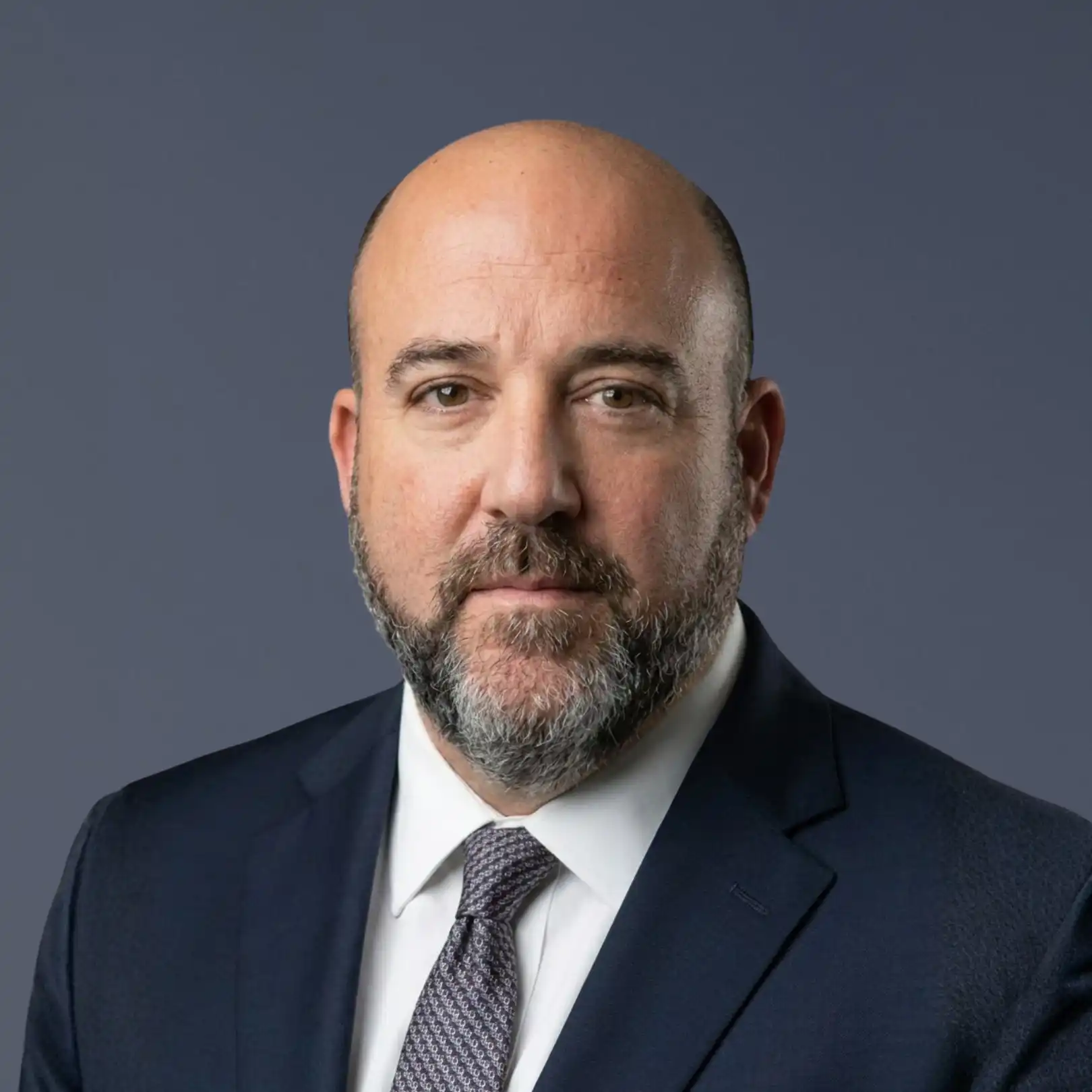
“When a family loses someone in a crash, the last thing they should have to do is fight an insurance company. That’s our job.
We take on the calls, the records, and the pressure — so your family can focus on each other, and we can focus on holding the responsible party accountable.”
In the days after a fatal crash, legal steps are the last thing on your mind — and they should be. But a few early actions can protect your family's right to answers and accountability later. There's no pressure to have it all figured out. There's only value in knowing what helps.
Hold on to the police crash report, any coroner or hospital paperwork, and documentation from the scene. These records become the backbone of your family's claim.
If possible, don't let the vehicle be repaired, sold, or scrapped, and save any photos, dashcam footage, or personal items. Physical evidence can disappear quickly.
The insurance company may reach out early with paperwork or an offer. You're under no obligation to give a statement or sign anything before your family is ready.
A conversation costs nothing and carries no obligation. We can begin preserving evidence and identifying every responsible party while there's still time to act.
In most cases, Nevada gives a family two years from the date of death to file a wrongful death claim (NRS 11.190(4)(e)). When a government agency may share responsibility, the window to act can be far shorter. The sooner your family understands which deadline applies, the more of your options stay open. If your loss involved a different type of vehicle — a truck, motorcycle, or pedestrian crash — our Motor Vehicle Accident Lawyer Las Vegas page covers every crash type and how these deadlines apply.
In Nevada, a wrongful death claim can be filed by the deceased person's close surviving family and by the personal representative of their estate. Under NRS 41.085, that typically includes the surviving spouse or registered domestic partner and the children — or the parents if there is no spouse or child. Because more than one family member may have the right to file, an attorney can help your family sort out who is entitled to pursue the claim.
In most cases, a Nevada wrongful death claim must be filed within two years of the date of death (NRS 11.190(4)(e)). If a government agency may share responsibility for the crash, the window to act can be much shorter. Missing the deadline can permanently end your family's right to recover, so it is important to understand which deadline applies as early as possible.
A wrongful death claim compensates the surviving family for their own losses — grief, loss of companionship, and the financial support the person provided. A survival action is brought by the estate for what your loved one experienced before passing, such as their pain and suffering and final medical and funeral expenses. Nevada allows both claims after a fatal crash, and they are often pursued together.
Under NRS 41.085, a surviving family can recover for grief and sorrow, loss of companionship and support, loss of the guidance and comfort the person provided, and the financial contributions the family lost. The estate's survival action can add the deceased person's pain and suffering, final medical bills, and funeral and burial expenses. No amount of money replaces your loved one — the goal of a claim is accountability and securing your family's future.
Yes. A wrongful death claim is a civil case brought by your family, and it is completely separate from any criminal charges the state may file against the driver. A criminal case can punish the driver, but only a civil claim allows your family to recover financially. Your family's claim can move forward whether or not the driver is charged, convicted, or acquitted.
Your family may still be able to recover. Under Nevada's comparative negligence law (NRS 41.141), a wrongful death claim can proceed as long as the deceased person was not more at fault than the other party, with the recovery reduced by their share of fault. Insurers often try to shift blame onto the person who died, so it is important to have someone building the evidence that keeps responsibility where it belongs.
You are not required to hire a lawyer, but wrongful death claims are complex, and the insurance company will have attorneys working to limit what your family recovers. Howard Injury Law handles fatal car accident cases on a contingency basis — there are no upfront costs, and you pay nothing unless we recover for your family. A consultation is free and carries no obligation.
Proving a fatal crash claim relies on evidence such as the police crash report, photographs and video from the scene, vehicle black box (event data recorder) information, surveillance and traffic camera footage, witness statements, and, when needed, accident reconstruction experts. Because this evidence can disappear quickly, it is important to begin preserving it as soon as possible.
Have a different question? Browse our full Q&A library →
Your Family Doesn't Have to Face This Alone.
Talk with our team about what happened. There's no cost, no pressure, and no obligation — just answers about your family's rights and the time you have to act.
Available 24/7 · Free & confidential · You pay nothing unless we recover for you.
I would like to thank Glen Howard and James for taking such great care of me during my case. They're knowledgeable, professional, and genuinely caring. My family and I are truly grateful for the outcome they achieved.
Injury CaseI can't say enough great things about Howard Injury Law. From start to finish, Glenn Howard and his amazing team James and Natalie were there every step of the way. They made a stressful situation feel manageable ... read more
Injury CaseThis team was amazing. They took care of everything I needed with my personal injury and made it so easy for me. I never felt alone during the process. I would highly recommend Howard Injury Law to anyone.
Personal InjuryI had a great experience with Howard Injury Law. Anytime I had questions, they were always there with an answer ready to help. They were super attentive towards me. I'm very grateful I went to them after my car accident.
Car AccidentI had a really bad accident in March 2023 and was referred to this amazing team. This being a new experience, Howard Injury Law walked me through every single step. They truly fought for me and got me more than I expected.
Car AccidentHighly recommend. I worked with James and Vanessa. They both are very nice and patient if or when you have a million and one questions. They make sure you are updated and not wondering where you stand.
Personal InjuryStraight answers to what your family is facing — so you can understand your options before you decide anything.
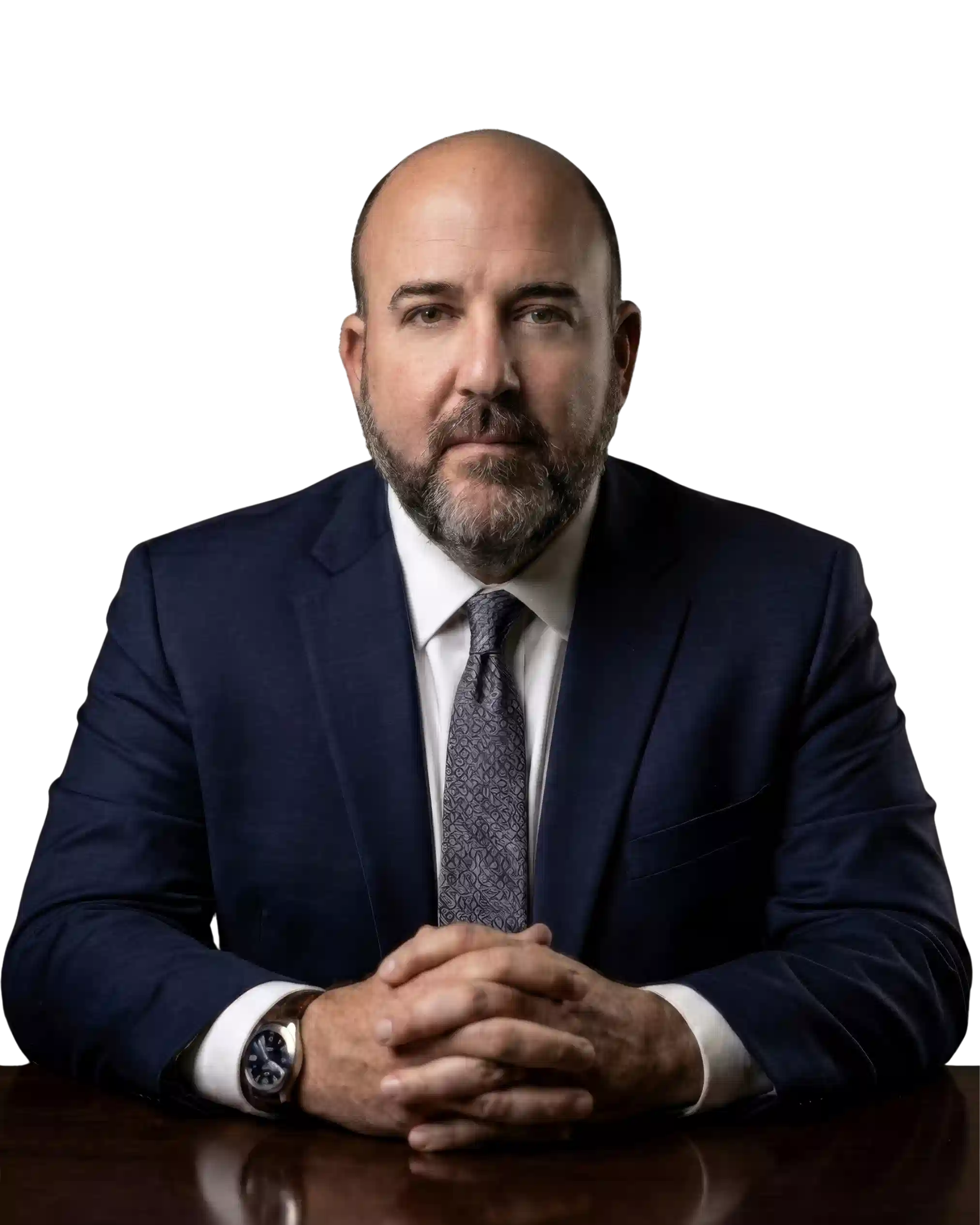
Founding attorney Glen Howard built his practice after watching his own family navigate a serious motor vehicle crash — an experience that shaped the compassion he brings to every case today. He and his team understand that a fatal crash isn't a case file; it's the worst day of a family's life, and it's treated that way here. He has recovered more than $80 million for injury victims and their families, and you'll work directly with Glen and a dedicated case manager who handle your family with care and respect — not a rotating cast of paralegals.
Read Glen's full storyYou never expected to be here. No one is supposed to know how to fight an insurance company, preserve evidence, or navigate Nevada wrongful death law while grieving someone they love.
That's what we do.
Howard Injury Law is available 24/7. The consultation is free and confidential. You pay nothing unless we recover for your family. And because Nevada sets a deadline to act, reaching out sooner keeps more of your options open. However you found us — searching for a fatal car accident lawyer in Las Vegas, or referred by someone who trusted us with their case — we're ready when you are, and there's no pressure to decide anything today.
If you're unsure what to do after a crash — or want to help protect the people you love — HIL Helps is our free 24/7 community resource, open to everyone, not just clients.
#HILHelps — A Free Vegas Community Resource
Howard Injury Law
6330 Spring Mountain Rd Ste D, Las Vegas, NV 89146