I had a great experience with Howard Injury Law. Anytime I had questions, they were always there with an answer ready to help. They were super attentive towards me. I'm very grateful I went to them after my car accident.
Car Accident
Las Vegas Personal Injury Lawyer
On foot, Nevada law puts the duty on the driver — they must yield at every crosswalk. When the insurer blames you, we prove otherwise, and you pay nothing unless we win.







In Nevada, drivers must yield to pedestrians at every crosswalk — marked or unmarked — under NRS 484B.283. When a driver fails to yield and strikes you, that failure doesn't just cause the crash; it shifts the legal burden onto them. If you were hit while walking in Las Vegas, you likely have a claim — even if the driver's insurance company is already telling you otherwise.
You were on foot. No bumper, no airbags, no protection at all. And now, while you're still recovering, that insurance company is working to make the crash your fault — for where you were standing, for when you crossed, for being there at all. That's a strategy, not the truth. Nevada law puts the duty on the driver, and the facts of how these crashes happen usually back you up.
Below, we break down who can be held liable, how insurers fight pedestrian claims, and exactly how Nevada law protects people on foot. If you'd rather talk it through now, the call is free and you pay nothing unless we win.
$80M+
Recoveredfor Nevada injury victims
20+
Yearshandling Nevada accident cases
1,000+
Clientsrepresented across Las Vegas
$0
No Win, No Feezero upfront cost to you
In a Las Vegas pedestrian crash, more than one party can be financially responsible — and identifying every one of them is often what separates a full recovery from a lowball offer. Liability depends on who was driving, why they were on the road, and where the crash happened.
Where Las Vegas Pedestrian Crashes Happen Most
Where your crash happened can shape who's liable and how we prove it — a resort driveway, a known-dangerous intersection, and a government-maintained road each open different avenues of recovery.
The insurer starts building its defense the day of your crash — and against a pedestrian, its go-to move is simple: shift the blame onto you. Knowing the playbook is how you stop it from working.
Every one of these tactics has a counter — and it starts with getting to the evidence before they do.
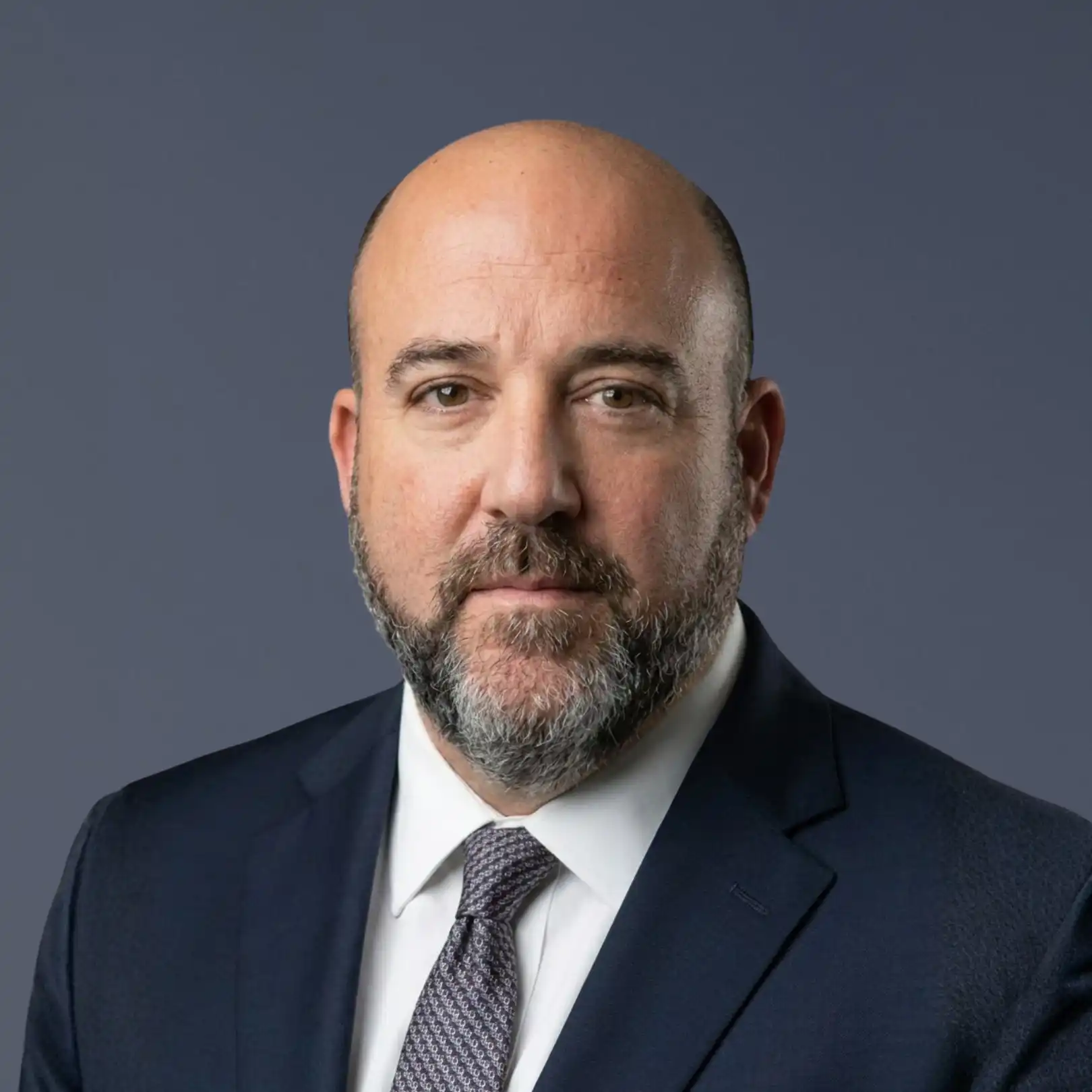
“When you’re on foot, there’s nothing between you and a two-ton vehicle — so pedestrian injuries are almost always serious. And too often, the first thing the insurance company does is try to blame the person who was walking. That’s not how Nevada law works.
Drivers have a duty to yield, and when they don’t, they’re responsible — no matter what an adjuster tells you about where you were standing. You focus on recovering. Proving what really happened, and holding them accountable, is our job.”
Proving a pedestrian claim comes down to two things: showing the driver had a legal duty and broke it, and locking down the evidence before it disappears. Here's how we build that case.

The most important thing you can do after being hit while walking is protect two things at once — your health and your evidence — before the insurance company starts building its case against yours.
Nevada gives you two years from the date of the crash to file a personal injury lawsuit under NRS 11.190. That sounds like plenty of time — but it isn't, not when surveillance footage, black box data, and witness memories start disappearing within 24 to 72 hours. And if a government vehicle was involved — like an RTC bus — a separate claim procedure applies under Nevada's Tort Claims Act, with its own filing requirements — one more reason not to wait.
A pedestrian crash is one of many crash types we handle as Las Vegas motor vehicle accident lawyers. The sooner we're involved, the more of your case we can protect.
Yes. Under NRS 484B.283, drivers must yield to pedestrians at every crosswalk in Nevada — marked or unmarked. Every intersection counts as a legal crosswalk whether painted lines are visible or not. Nevada's comparative negligence rule can still apply if a pedestrian crossed unsafely, but the law places the primary duty on the driver.
In many cases, yes. Under Nevada's modified comparative negligence rule (NRS 41.141), you can recover as long as you were not more than 50% at fault. If the driver was speeding, distracted, or impaired, they may bear the majority of responsibility even if you were mid-block. Your recovery is reduced by your share of fault — but it doesn't disappear.
Two years from the date of the crash under NRS 11.190. But waiting is a mistake — surveillance footage overwrites within days and witnesses scatter. If a government vehicle was involved, like an RTC bus, a separate claim procedure applies under Nevada's Tort Claims Act. Read more in our Nevada statute of limitations guide.
It strengthens your case. Beyond compensation for medical bills, lost income, and pain and suffering, a drunk driver's conduct may open the door to additional damages under Nevada law. Report it, preserve everything, and talk to an attorney who can pursue every layer of recovery your case supports.
Nothing upfront. Howard Injury Law works on contingency — no retainer, no hourly fees, and nothing at all unless we win your case. The consultation is free. If we don't recover for you, you owe us nothing.
Have a different question? Browse our full Q&A library →
You can face the insurance company alone, or put a team that knows how to prove the driver's fault on your side. The consultation is free, we're available 24/7, and you pay nothing unless we win.
I had a great experience with Howard Injury Law. Anytime I had questions, they were always there with an answer ready to help. They were super attentive towards me. I'm very grateful I went to them after my car accident.
Car AccidentHighly recommend. I worked with James and Vanessa. They both are very nice and patient if or when you have a million and one questions. They make sure you are updated and not wondering where you stand.
Personal InjuryI can't say enough great things about Howard Injury Law. From start to finish, Glenn Howard and his amazing team James and Natalie were there every step of the way. They made a stressful situation feel manageable ... read more
Injury CaseI would like to thank Glen Howard and James for taking such great care of me during my case. They're knowledgeable, professional, and genuinely caring. My family and I are truly grateful for the outcome they achieved.
Injury CaseThis team was amazing. They took care of everything I needed with my personal injury and made it so easy for me. I never felt alone during the process. I would highly recommend Howard Injury Law to anyone.
Personal InjuryI had a really bad accident in March 2023 and was referred to this amazing team. This being a new experience, Howard Injury Law walked me through every single step. They truly fought for me and got me more than I expected.
Car AccidentStraight answers to what you're facing after a Las Vegas pedestrian crash — so you understand your options before you decide anything.
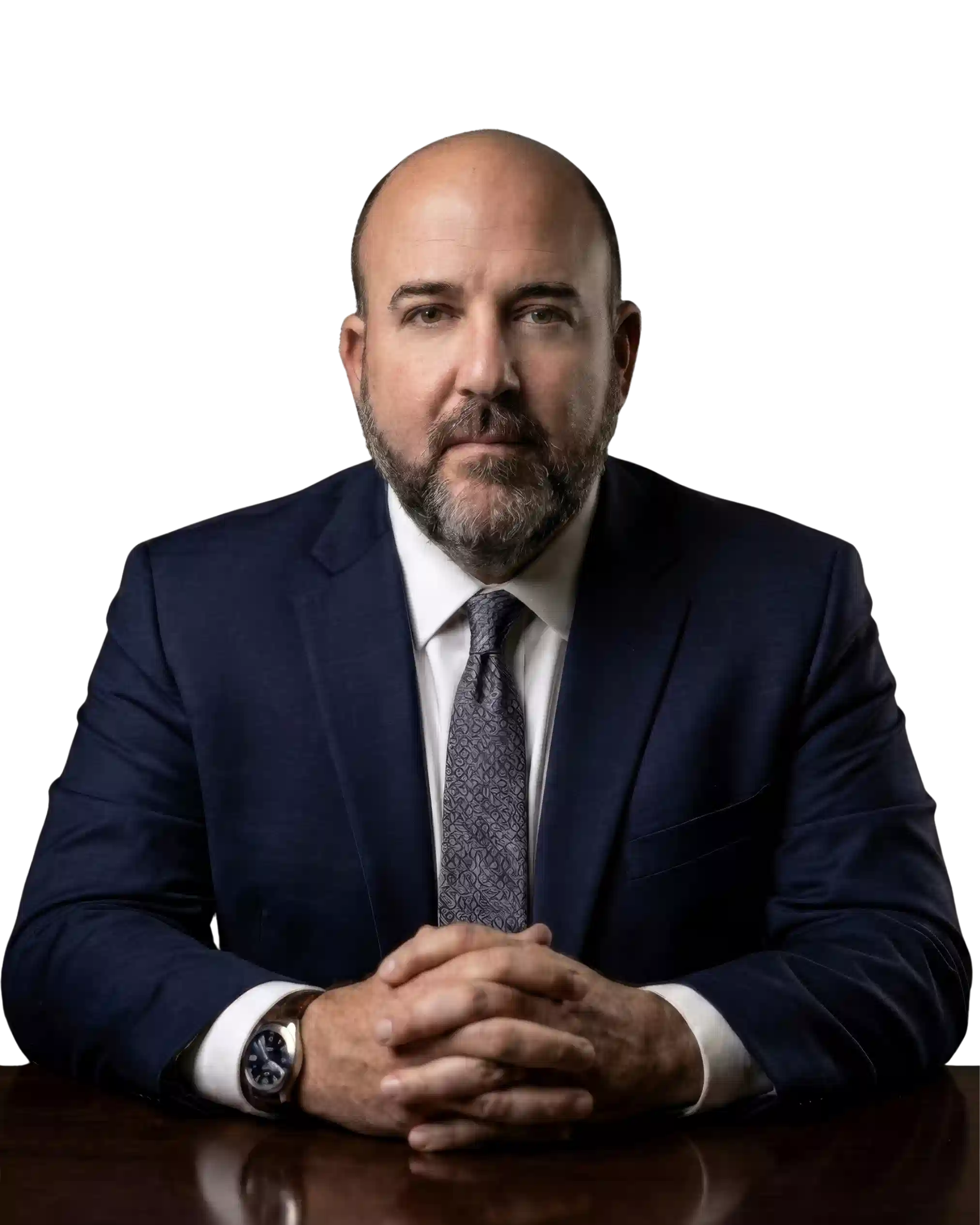
Founding attorney Glen Howard has spent his career standing beside Las Vegas drivers and families after serious crashes turned their lives upside down — and that's shaped the compassion he brings to every case. He and his team understand that a serious pedestrian crash isn't a case file; it's a life-changing event for you and the people who love you, and it's treated that way here. He has recovered more than $80 million for injury victims and their families, and you'll work directly with Glen and a dedicated case manager who handle you with care and respect — not a rotating cast of paralegals.
Read Glen's full storyYou never expected to be here. No one is supposed to know how to fight an insurance company, preserve evidence, or navigate Nevada injury law while recovering from a serious crash.
That's what we do.
Howard Injury Law is available 24/7. The consultation is free and confidential. You pay nothing unless we recover for you. And because Nevada sets a deadline to act, reaching out sooner keeps more of your options open. However you found us — searching for a pedestrian accident lawyer in Las Vegas, or referred by someone who trusted us with their case — we're ready when you are, and there's no pressure to decide anything today.
If you're unsure what to do after a crash — or want to help protect the people you love — HIL Helps is our free 24/7 community resource, open to everyone, not just clients.
#HILHelps — A Free Vegas Community Resource
Howard Injury Law
6330 Spring Mountain Rd Ste D, Las Vegas, NV 89146