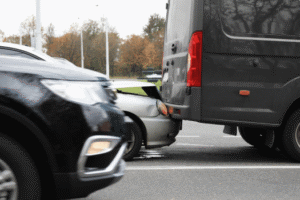


Las Vegas is fast. Busy. Unpredictable. Between tourists unfamiliar with the roads, heavy traffic, high-speed highways, and distracted drivers, car accidents can happen in seconds. But here’s the truth most people overlook:
Most accidents are preventable.
Not because you can control the road—but because you can control how you drive, how you react, and how prepared you are. At Howard Injury Law, we don’t just help after accidents happen. We actively promote education, awareness, and prevention—because protecting your family starts before anything goes wrong. Injured? Call us at Howard Injury Law 24/7 at (702) 331-5722 for a free consultation or fill out our 24/7 web form.
Why Accident Prevention Matters More in Las Vegas
Las Vegas isn’t a typical driving environment. You’re sharing the road with:
- Tourists who don’t know where they’re going
- Rideshare drivers making sudden stops
- Commercial trucks and delivery vehicles
- Pedestrians crossing unpredictably
- Aggressive drivers navigating congestion
This mix creates constant unpredictability. And unpredictability is where accidents happen. That’s why situational awareness and defensive driving are not optional here—they’re essential.

The #1 Rule: You Can’t Control Other Drivers
Let’s get this out of the way: You cannot control what other people do on the road. You can control:
- Your reactions
- Your awareness
- Your spacing
- Your decisions
This mindset alone prevents more accidents than any driving technique.
Safe Driving Starts With Situational Awareness
Situational awareness is the ability to:
- Observe what’s happening
- Recognize potential danger
- Respond before it becomes a problem
It’s not just “paying attention”—it’s predicting what could go wrong next. Drivers who actively scan the road:
- Check mirrors frequently
- Watch traffic patterns ahead
- Anticipate sudden stops
- Identify escape routes
…are far less likely to be involved in accidents.
Defensive Driving Habits That Actually Prevent Accidents
Let’s simplify this. These are safe driving habits that matter most:
Keep Distance
Tailgating is one of the most common causes of crashes. Use the 3-second rule—longer in traffic or bad weather.
Assume Other Drivers Will Mess Up
Because they will. Defensive drivers don’t rely on others to follow rules—they prepare for mistakes.
Yield Over Ego
Being “right” doesn’t prevent accidents. Let aggressive drivers go. Always.
Scan Constantly
Look beyond the car in front of you. Watch:
- Sudden merges
- Brake lights ahead
- Lane drifters
- Pedestrians
Why is Road Rage Common in Las Vegas
Nevada consistently ranks high for aggressive driving—and it’s not surprising. Think about it:
- Extreme heat
- Heavy congestion
- Tourists making last-second decisions
- People running late
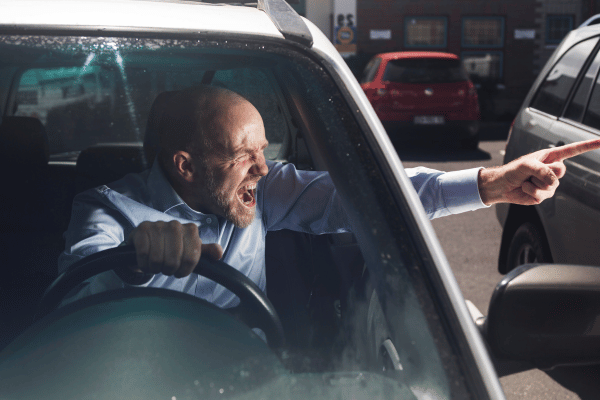
That combination? Emotional chaos. Road rage isn’t just yelling—it includes:
- Tailgating
- Brake-checking
- Following another driver
- Blocking vehicles
And it escalates fast.
How to Avoid Road Rage (Without Losing Your Mind)
Here’s the reality:
Road rage isn’t about the other driver—it’s about your response. Most escalation happens because someone reacts emotionally instead of staying neutral.
What actually works:
- Create space, don’t compete
- Don’t take it personally
- Let aggressive drivers pass
- Stay calm with music or silence
- Give yourself extra time before driving
Because once you engage—you’re now part of the problem.
What to Do If Someone Is Following You
This is one of the most searched (and most serious) scenarios. If it happens:
- Do NOT drive home
- Go to a busy, public area or police station
- Call 911 if needed
- Do not confront the driver
Your goal is safety—not answers.

Emotional Control Is a Driving Skill
Here’s the part most blogs skip—and it matters.
Some drivers struggle with emotional regulation under stress. When anger builds up, reactions can feel automatic—like you’re not fully in control.
That’s why accident prevention isn’t just physical—it’s psychological.
There are real resources in Las Vegas that help:
- Clark County Social Services
- Nevada Health & Human Services
- Local community anger management programs
- Low-cost or free behavioral courses
Working on emotional control doesn’t just improve your life—it literally makes you a safer driver.
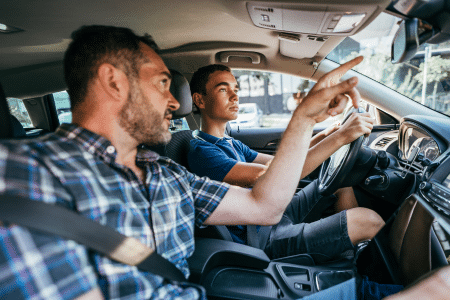
Teen Drivers are the Highest Risk Group
Teen drivers have the highest crash risk—especially in their first year.
Why?
- Limited experience
- Slower hazard recognition
- Higher likelihood of distraction
- Peer pressure (passengers)
Even minor mistakes can lead to serious consequences on roads like Sahara, Flamingo, or the 215.
What parents should focus on:
- Limiting nighttime driving
- Restricting passengers early on
- Reinforcing defensive habits
- Encouraging hands-on training
Programs like Driver’s Edge help teens learn real-world emergency control skills—not just basic driving.
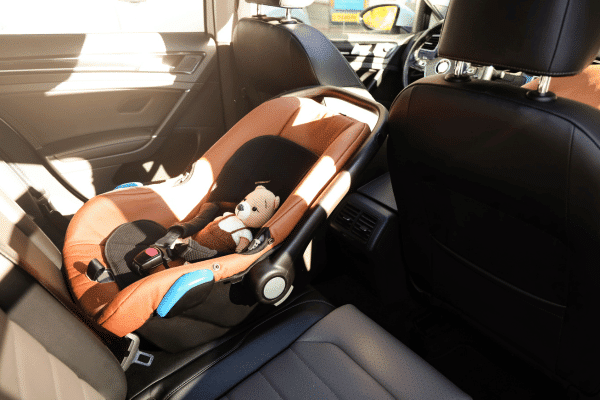
What Parents Need to Know About Child Passenger Safety
Car seats save lives—but only if used correctly. And here’s the problem:
Installation errors are extremely common. Key reminders:
- Seat should not move more than 1 inch
- Chest clip = armpit level
- Harness = snug (no pinch slack)
- Avoid bulky clothing
Rear-facing seats should be used as long as possible—they provide the best protection for a child’s head, neck, and spine.
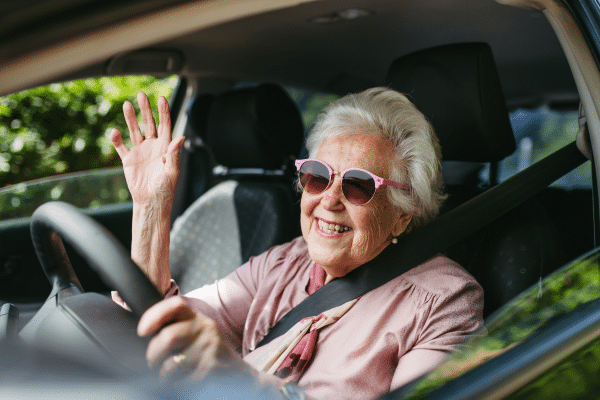
Senior Driver Safety
Driving equals independence. But safety matters. Age-related changes can affect:
- Reaction time
- Vision
- Decision-making
Common accident patterns:
- Left-turn collisions
- Failure to yield
- Rear-end crashes
But here’s the key: Age doesn’t determine safety—awareness does.
Refresher courses, vehicle adjustments, and restricted driving (like avoiding night driving) can significantly reduce elder driving risk.
Distracted Driving Dangers
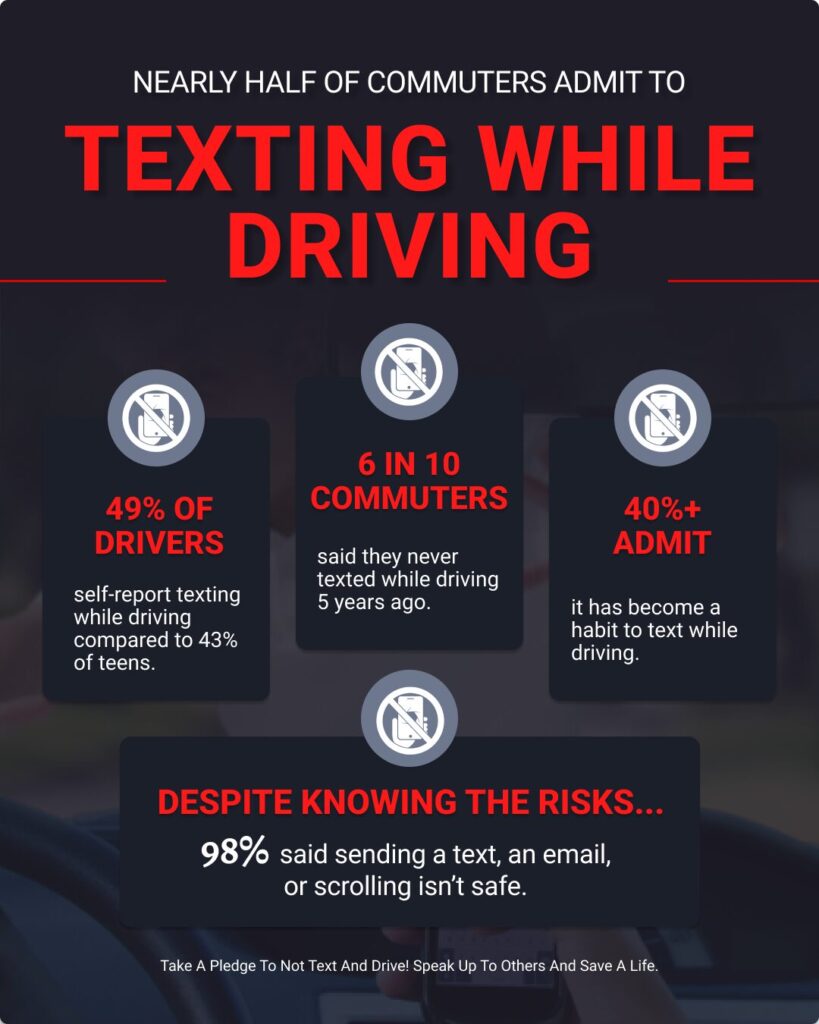
Texting while driving is illegal in Nevada—and still incredibly common. It’s dangerous because it combines:
- Eyes off the road
- Hands off the wheel
- Mind off driving
That’s all three types of distraction at once. Even a few seconds = massive risk.
Simple fixes:
- Put phone on Do Not Disturb
- Set GPS before driving
- Pull over if needed
This one habit alone prevents a huge percentage of crashes.
Vehicle & Road Awareness That Saves Lives
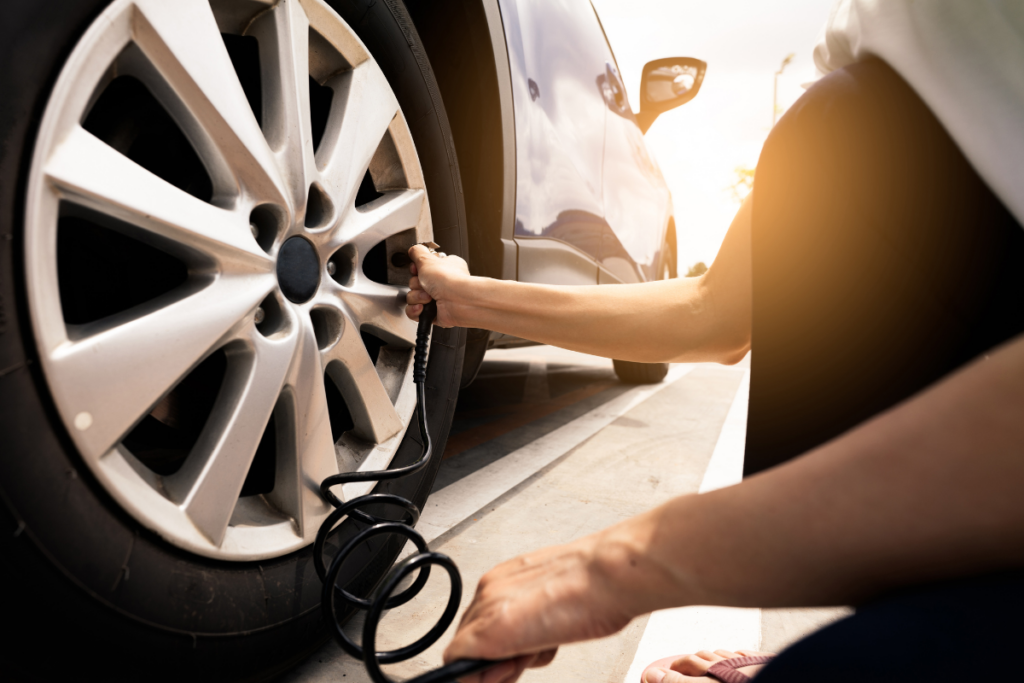
Sometimes it’s not behavior—it’s preparation. Prevent tire blowouts:
- Check tire pressure monthly
- Replace worn tires
- Avoid overloading
Watch for Las Vegas hazards:
- Sudden rain = slick roads
- Dust storms = low visibility
- Sun glare = reduced reaction time
Small adjustments make a big difference.
Use Local Safety Resources (Most People Don’t)
Las Vegas actually gives you tools most drivers ignore:
- LVMPD Traffic Dashboard – see accident hotspots
- Clark County FixIt App – report hazards
- Community safety programs
Knowing where accidents happen helps you avoid them entirely.
What Happens When Prevention Fails
Even if you do everything right, accidents still happen. When they do, what you do next matters:
- Call 911
- Document everything
- Take photos
- Get medical attention
- Avoid giving recorded statements
And most importantly—understand your rights. Because insurance companies move fast. And not always in your favor.
Prevention Is Power
Most accidents don’t come out of nowhere. They come from:
- Distraction
- Stress
- Poor awareness
- Emotional reactions
And the good news? All of those can be controlled.
Driving is not just a skill—it’s a mindset. Injured in Las Vegas? Speak Directly with an Attorney.
At Howard Injury Law, we represent all injury victims across Las Vegas, Nevada with elite trial experience and real courtroom strength. When your health, income, and future are at stake, you deserve a lawyer who prepares every case as if it’s going to trial.
📞 Free Consultation: (702) 331-5722
–Se habla español
-我们说普通话和粤语
Learn More About:
-Our Las Vegas car accident attorneys
-How to choose the right personal injury lawyer in Las Vegas
–Helpful resources before and after an accident
Learn about Attorney Glen Howardand the team behind Howard Injury Law.
Find us on Google, Yelp, or follow us on Instagram for community news, legal updates, and safety tips.