

Looking to maximize your claim? After an accident in Las Vegas, what you do in the first hours and days can directly impact the outcome of your case. Many people searching for answers are not just looking for medical help—they’re trying to understand how to maximize their settlement, secure the highest compensation possible, and ensure nothing is left on the table.
The truth is, insurance companies evaluate claims based on documentation, evidence, and credibility. Without strong supporting proof, even serious injuries can be undervalued. That’s why taking the right steps immediately after an accident in Nevada is critical—not just for your health, but for the strength of your claim.
If your goal is to get the most out of your settlement, it starts with understanding what evidence matters and how to properly document your damages from the beginning.

Why Immediate Documentation Matters
In any personal injury case, documentation becomes the foundation of your claim. Insurance adjusters are not present at the accident scene, nor do they experience your injuries firsthand. Instead, they rely on records, reports, and evidence to determine liability and calculate value.
When documentation is incomplete or delayed, it creates gaps. Those gaps can be used to question:
- Whether the injury was caused by the accident
- The severity of your condition
- The legitimacy of your treatment
- The true impact on your daily life
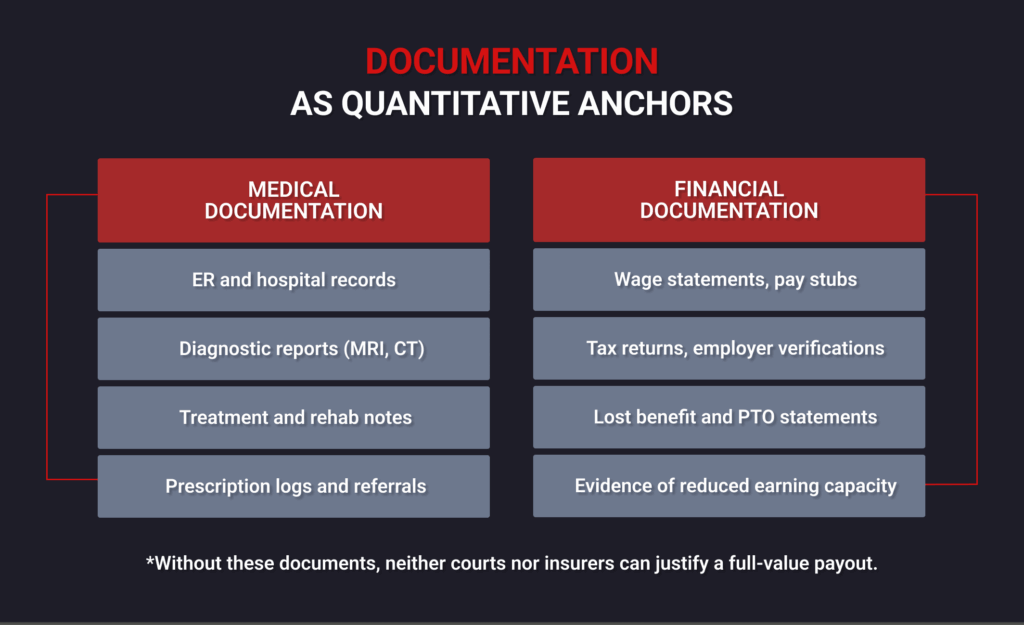
Strong documentation eliminates uncertainty. It establishes a clear timeline, connects your injuries to the accident, and supports the full value of your damages.
Evidence to Gather After an Accident to Maximize Your Claim
One of the most common questions people ask is: “What is good evidence for a personal injury claim?”
The answer is simple—evidence that clearly shows:
- What happened
- Who was at fault
- How the accident affected your life
Below are the most important types of evidence that strengthen the value of a settlement claim.
1. Medical Documentation: The FOUNDATION of Your Case
Medical evidence is often the most important factor in determining the value of your claim. Without it, there is no objective proof of injury.
Prompt Medical Evaluation
Seeking immediate medical care is essential. Delaying treatment can create doubt about whether your injuries were caused by the accident. Insurance companies often use gaps in care to argue that your condition is unrelated or less serious.
Comprehensive Medical Records
Every appointment matters. This includes:
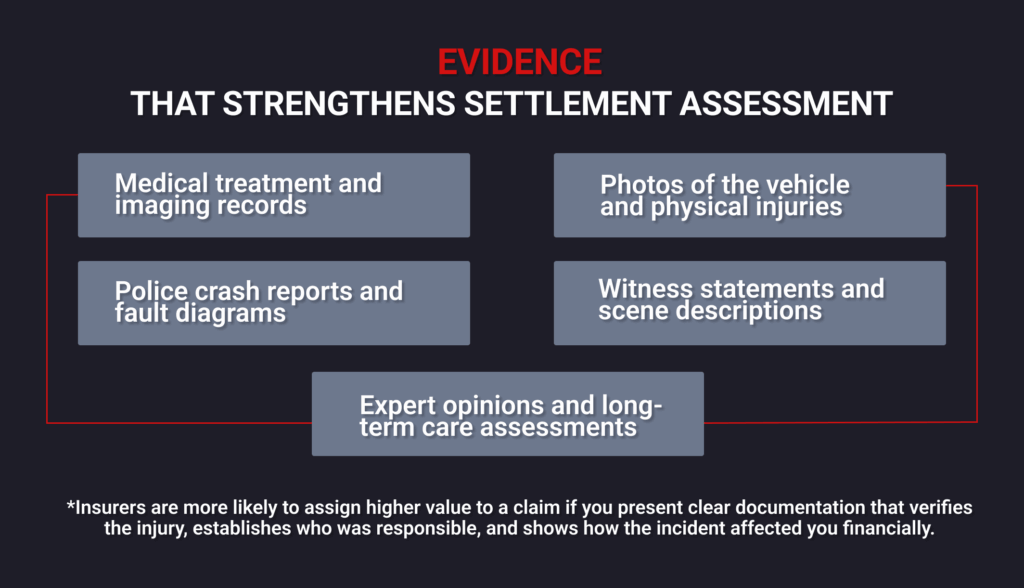
- Emergency room records
- Doctor’s notes
- Diagnostic imaging (X-rays, MRIs, CT scans)
- Treatment plans and specialist evaluations
These records create a detailed picture of your injury and recovery.
Itemized Medical Bills
To maximize your settlement, every cost must be documented. Itemized bills show the financial impact of your injuries and are used to calculate damages.
Future Medical Needs
Some injuries require long-term care. Documentation from medical professionals outlining future treatment, therapy, or assistive devices can significantly increase your claim’s value.
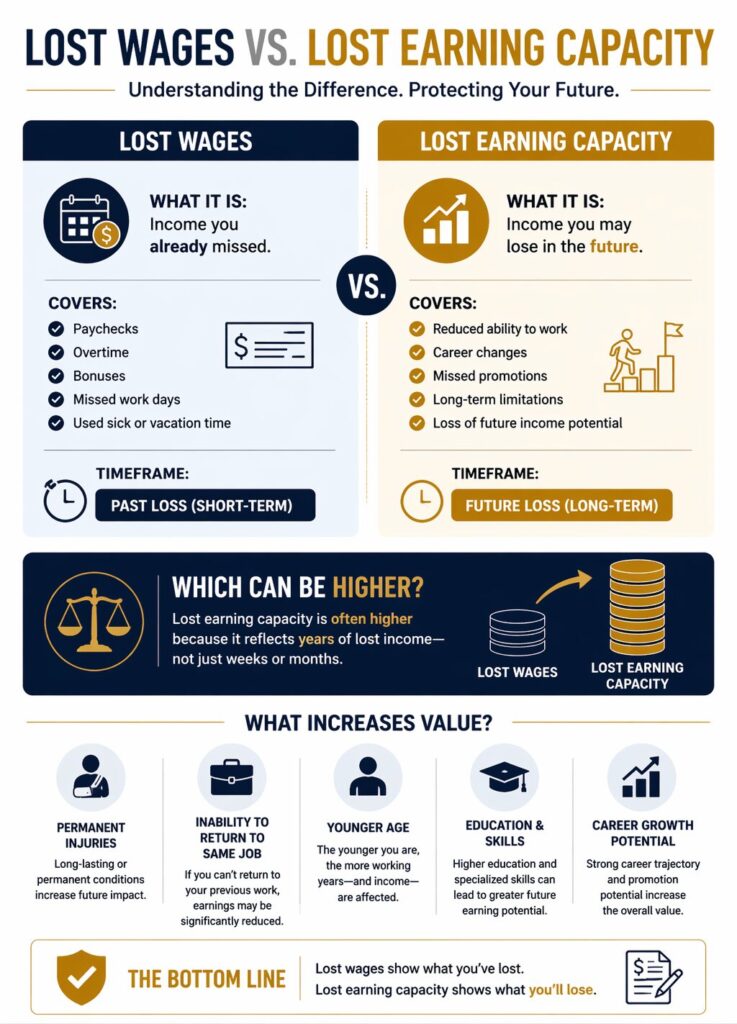
Future medical needs are often directly tied to lost earning capacity. When an injury requires ongoing treatment—such as surgeries, therapy, or long-term care—it can indicate lasting limitations that affect a person’s ability to work, earn income, or return to their prior career.
Documentation of these future needs not only supports medical damages, but also helps establish the long-term financial impact of an injury.
At the same time, many individuals begin experiencing financial loss immediately after an accident. Lost wages represent the income missed in the short term due to time away from work, reduced hours, or missed opportunities such as overtime or bonuses. These losses are typically supported by pay stubs, employer verification, and work records.
While lost wages reflect the immediate impact of an injury, they often point to a larger concern—whether your ability to earn income has been affected beyond the initial recovery period. In more serious cases, what begins as missed work can develop into a broader claim for lost earning capacity.
2. Accident Scene & Liability Evidence
Another major factor in achieving the highest compensation is proving fault. The stronger your liability evidence, the harder it is for insurance companies to dispute your claim.
Photos and Videos
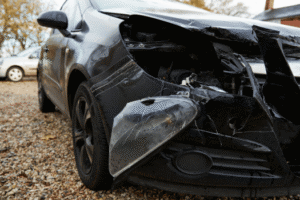
Visual evidence is powerful. Immediately after the vehicle accident, capture:
- Vehicle damage
- Road conditions
- Traffic signals or signs
- Visible injuries
- Skid marks or debris
These details help reconstruct what happened.
Police or Incident Reports
Official reports provide third-party documentation of the accident. They often include:
- Statements from drivers and witnesses
- Initial fault assessments
- Environmental conditions
This adds credibility to your claim.
Witness Information
Independent witnesses can confirm your version of events. Collect:
- Names
- Contact information
- Brief statements if possible
Their testimony can be critical in disputed cases.
Surveillance or Dashcam Footage
Nearby businesses, traffic cameras, or dashcams may have captured the incident. Securing this footage early can be a game-changer when establishing liability.
3. Financial & Personal Impact Records
Many people underestimate how important it is to document how an injury affects daily life. This is where your claim moves beyond numbers and becomes a full picture of your losses.

Wage Loss Statements
If you missed work, documentation from your employer should confirm:
- Dates missed
- Pay rate
- Lost bonuses or benefits
This supports claims for lost income.
Pain and Suffering Journal
One of the most effective ways to support non-economic damages is to keep a daily pain and suffering journal. Document:
- Pain levels
- Emotional distress
- Physical limitations
- Missed activities or events
This provides insight into how the injury has impacted your life beyond medical bills.
Out-of-Pocket Expenses
Keep receipts for everything related to your recovery, including:
- Transportation to medical appointments
- Prescription medications
- Home care or assistance
These costs add up and should not be overlooked.
How to Maximize a Settlement in Nevada
Are you wondering: “How do I increase my personal injury settlement value?”
The answer lies in combining strong evidence with smart decision-making.
Do Not Accept the First Offer
Insurance companies often present a quick, low settlement offer early in the process. This is designed to close the case before the full extent of your damages is known.
Accepting too early can mean leaving significant compensation on the table.
Avoid Social Media Activity
Posting about your accident, injuries, or daily activities can be used against you. Even harmless posts can be misinterpreted to suggest that your injuries are not serious.
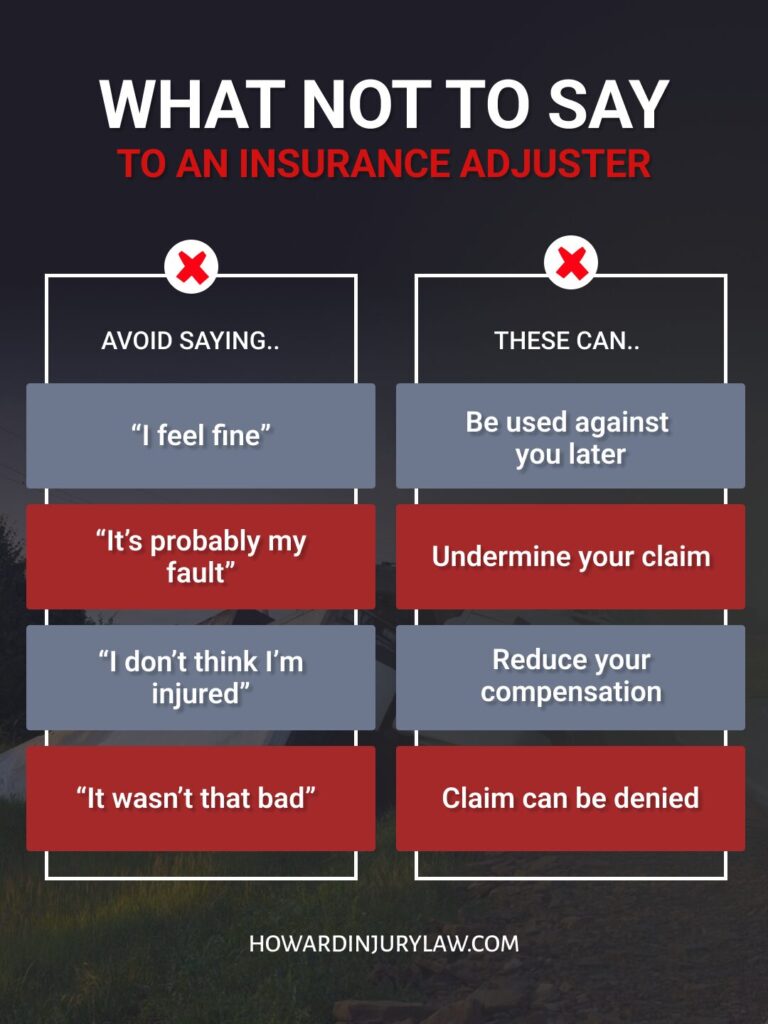
Be Cautious With Recorded Statements
Insurance adjusters may request a recorded statement shortly after the accident. It’s generally best to avoid providing one without guidance, as statements can be used to limit or deny your claim.
Hire an Experienced Las Vegas Personal Injury Attorney
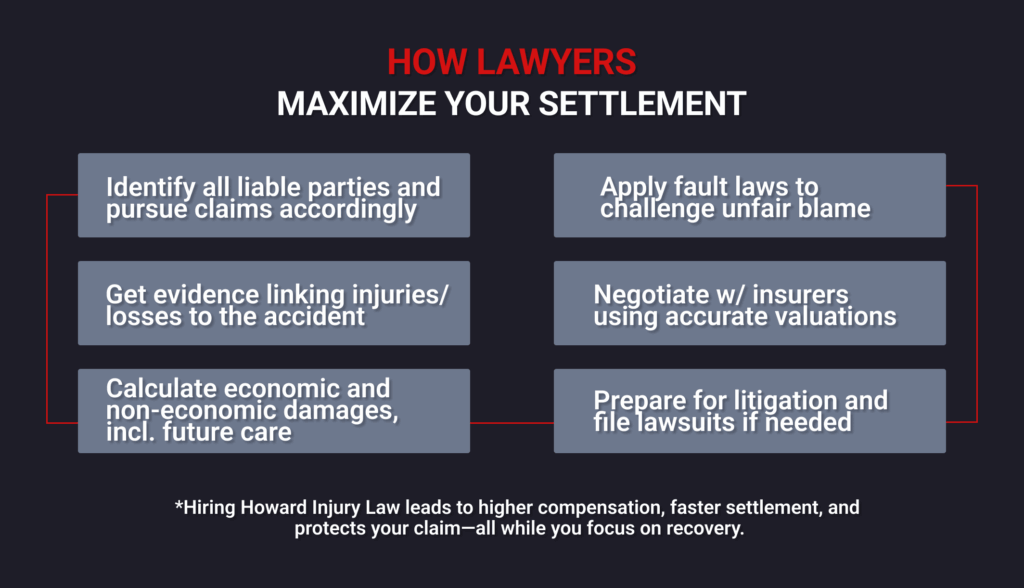
One of the most consistent factors in higher settlements is having experienced legal representation. A knowledgeable Las Vegas, Nevada attorney understands:
- How to build a strong claim
- What evidence is needed
- How to negotiate effectively with insurers
- When to push for litigation if necessary
Legal guidance helps ensure that your claim reflects its true value.
Understanding Nevada’s Comparative Negligence Rule
Another common question is: “What happens if I’m partially at fault?”
Nevada follows a comparative negligence rule, meaning you can still recover compensation even if you are partially responsible for the accident. However, your recovery may be reduced based on your percentage of fault.
This makes evidence of fault even more important. The stronger your documentation, the better your position when liability is disputed.

What Makes a Strong Personal Injury Claim?
We also get asked: “What are two pieces of evidence that support a claim?”
While many types of evidence are valuable, two of the most critical are:
- Medical documentation linking injuries to the accident
- Proof of liability showing how the accident occurred
Together, these establish both the cause and the impact of your damages.
What Should You Consider When Evaluating a Settlement?
When reviewing a potential settlement, it’s important to consider more than just immediate costs.
A fair settlement should account for:
- Current and future medical expenses
- Lost income and reduced earning potential
- Pain and suffering
- Long-term lifestyle impact
The goal is not just compensation—it’s ensuring your financial stability moving forward.
Protecting Your Claim From the Start
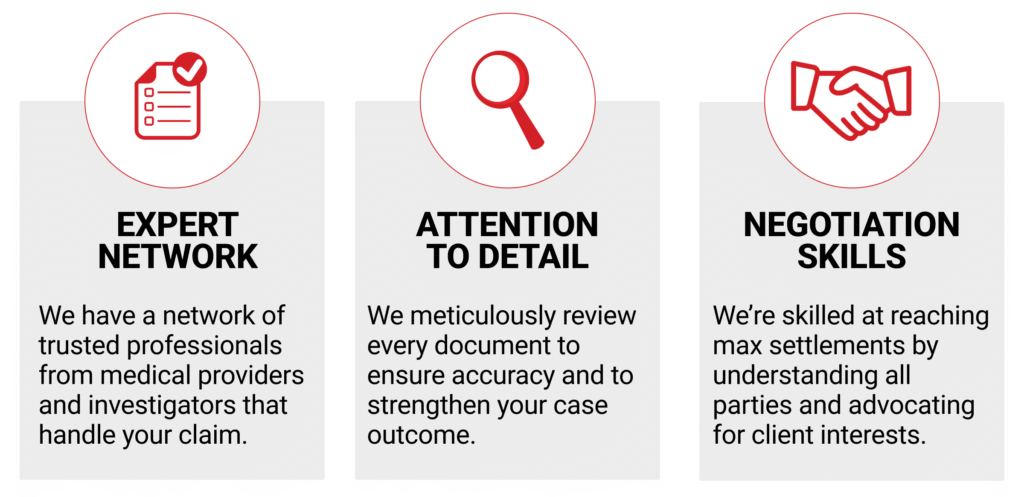
At Howard Injury Law, we protect your claim from the start. Recovering from an accident is not just about healing physically—it’s about protecting your financial future. The steps you take immediately after an accident in Las Vegas can determine whether your claim is undervalued or fully realized.
Strong documentation, clear evidence, and informed decisions all play a role in helping you maximize your settlement and pursue the highest compensation available under Nevada law.
If you’ve been injured, understanding what to document—and how to do it—can make a meaningful difference in the outcome of your case. Injured in Las Vegas? Speak Directly with an Attorney.
We represent all injury victims across Las Vegas, Nevada with elite trial experience and real courtroom strength. When your health, income, and future are at stake, you deserve a lawyer who prepares every case as if it’s going to trial.
📞 Free Consultation: (702) 331-5722
–Se habla español
-我们说普通话和粤语
Learn More About:
-Our Las Vegas car accident attorneys
-How to choose the right personal injury lawyer in Las Vegas
–Helpful resources before and after an accident
Learn about Attorney Glen Howard and the team behind Howard Injury Law.
Find us on Google, Yelp, or follow us on Instagram for community news, legal updates, and safety tips.