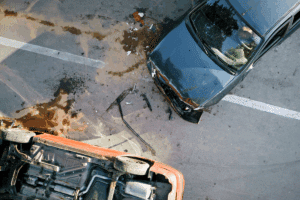


With traffic congestion, high-speed highways, and distracted driving in Las Vegas, the increase the risk of serious accidents is a concern. Car crashes remain one of the leading causes of injury for children ages 1 to 13. That reality makes proper use of car seats and booster seats critical. Your child, baby, or infant’s safety is important to us. Call us at Howard Injury Law 24/7 at (702) 331-5722 for a free consultation or fill out our 24/7 web form.
Parents often ask:
- How do I know my child’s car seat is installed correctly?
- How tight should the harness be?
- When can my kid switch to a booster seat?
- Is my baby safe wearing a winter coat in the car seat?
- What should I look for when buying a car seat?
Understanding these issues can protect your child. And if negligence leads to injury, a lawyer or attorney in Las Vegas can help you understand your legal options.
Why Are Car Seats and Booster Seats So Important?
Car seats and booster seats are designed to protect infants and children during a crash by distributing crash forces across stronger parts of the body.
An adult seat belt alone does not fit a small child properly. Without the correct restraint, crash forces can cause severe injury to the head, neck, and spine.
Choosing the right seat, installing it correctly, and using it properly every time makes a difference.
What Features Should You Look for in a Car Seat?
When shopping for a car seat in Nevada, safety should always come first. Parents frequently search for key safety features:
- A five-point harness system
- Side-impact protection
- Energy-absorbing foam
- Adjustable harness height
- Clear installation indicators
Ease-of-use ratings also matter. A car seat that is difficult to install increases the risk of improper use. Always confirm that the seat fits both your child’s size and your specific motor vehicle.
How Should You Install a Car Seat Correctly?
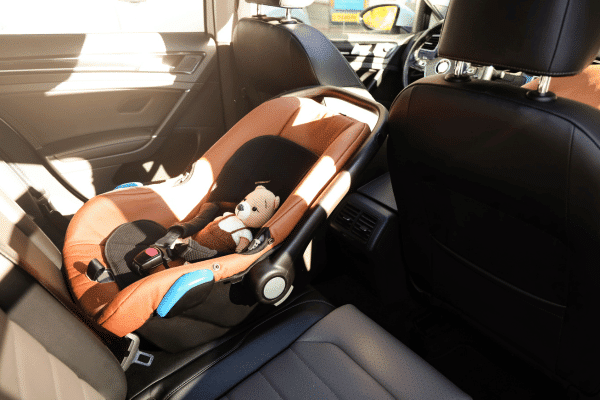
Installation mistakes are common. Many parents search how to make sure a car seat does not move more than one inch. After installing the seat:
- Grab the base near the belt path
- Attempt to move it side to side and front to back
- The seat should not move more than one inch
Wondering whether to use LATCH or a seat belt?
Both methods are safe when used properly. The most important rule is to use one method correctly, following both the car seat manual and your vehicle owner’s manual.
When using a forward-facing seat, attach and tighten the top tether. Top tethers reduce forward head movement in a crash and are often overlooked.
Where Should the Chest Clip Be Positioned?
The chest clip should sit at armpit level. If it’s too low, it does not secure the harness properly. Too high, and it can cause injury during a crash.
Harness straps should lie flat without twists.
How Tight Should the Harness Be?
Want to know how to achieve a “snug” fit? Use the pinch test:
After buckling your child, try to pinch the harness strap at the shoulder.
If you can pinch extra material between your fingers, the harness is too loose.
The straps should be snug against your baby, infant, or child without slack.
Is It Safe to Use a Car Seat With a Winter Coat?
Bulky clothing, including thick winter coats, can compress during a crash. That compression creates slack in the harness and reduces protection. Instead:
- Buckle your child without bulky clothing
- Place a blanket over them after harnessing
Warmth matters. Proper harness fit matters more.
How Long Should a Child Stay Rear-Facing?
Parents often wonder when to switch from rear-facing to forward-facing. Rear-facing seats provide the best protection for infants and toddlers. Keep your baby rear-facing as long as possible, within the height and weight limits listed by the manufacturer.
Many convertible seats allow children to remain rear-facing longer than parents expect. Rear-facing seats cradle the head, neck, and back or spine during impact, reducing strain on fragile structures.
When Should You Switch to a Forward-Facing Seat?
Once a child outgrows the rear-facing height or weight limit, a forward-facing seat with a harness and top tether becomes appropriate.
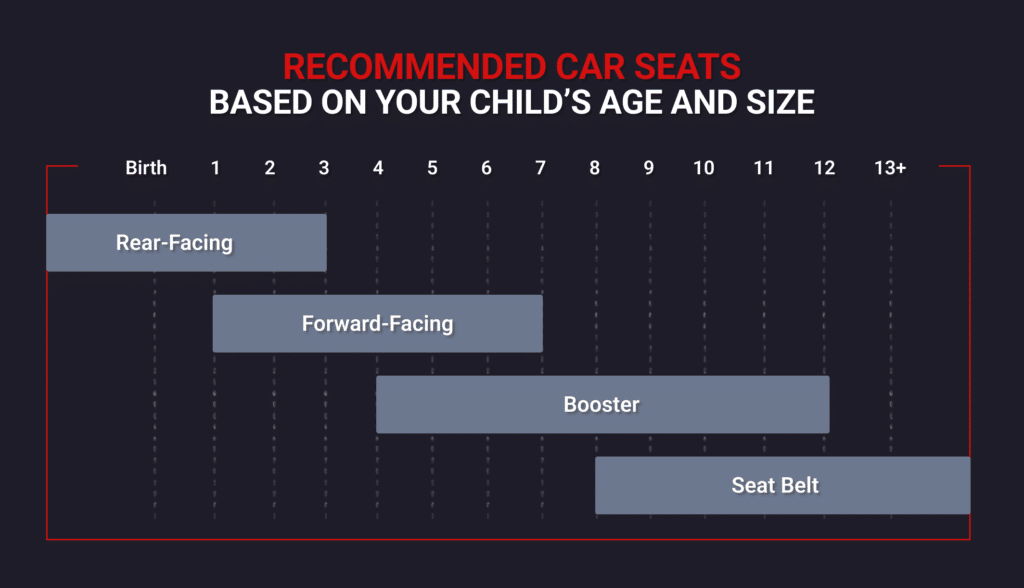
Children ages 1 to 3 should remain rear-facing as long as possible.
Children ages 4 to 7 typically use a forward-facing harness seat before transitioning to a booster seat.
Always review manufacturer instructions carefully.
When Is a Child Ready for a Booster Seat?
Let’s break down the “five-step test.”
A child is ready to stop using a booster seat when:
- The child sits all the way back against the vehicle seat
- Knees bend comfortably at the edge of the seat
- The lap belt lies snug across the upper thighs
- The shoulder belt crosses the chest and shoulder, not the neck
- The child can remain seated properly throughout the ride
Most children are not ready for a seat belt alone until around ages 8 to 12. Keep children in the back seat through at least age 12 for maximum safety.
How Do You Maintain and Monitor Car Seats?
Car seats have expiration dates. Materials degrade over time. Check the label for expiration information.
Register your car seat after purchase. Registration ensures you receive recall notices if a safety issue arises.
Avoid purchasing used seats unless you know the full crash history. Even minor accidents can compromise structural integrity.

Where Can You Get Professional Car Seat Help in Las Vegas?
Certified Child Passenger Safety Technicians offer free inspections in many Nevada communities.
These professionals:
- Check installation
- Verify harness fit
- Confirm top tether use
- Answer safety questions
An inspection can provide peace of mind.
Local hospitals, fire departments, and safety events often host car seat checks.
What Are Five Safety Features in a Vehicle That Help Protect Children?
Beyond car seats, vehicle features matter.
Look for:
- Automatic emergency braking
- Blind-spot monitoring
- Rearview backup cameras
- Advanced airbag systems
- Electronic stability control
Combined with properly installed car seats and booster seats, these features increase protection.
How Do You Keep Children Safe in the Car?
- Use the correct seat for your child’s age and size
- Install it correctly
- Use the harness every time
- Avoid bulky clothing
- Keep children in the back seat
- Register the seat
- Check for recalls
- Schedule inspections
What Happens If a Child Is Injured in a Car Accident in Las Vegas?
When a crash injures a baby, infant, or child, the emotional impact is painful and overwhelming. Medical treatment, long-term recovery, and insurance disputes may follow.
If another driver’s negligence caused the accident, speaking with a car accident lawyer in Las Vegas can help families understand:
- Liability
- Insurance coverage
- Medical expense recovery
- Future care costs
- Pain and suffering damages
Children may require ongoing treatment for injuries that are not immediately visible. At Howard Injury Law, we are concerned parents too and we will quickly review your medical records, accident reports, and crash evidence carefully.
Why Do Installation Errors Matter in Injury Cases?
Improper installation can complicate legal claims.
Insurance companies sometimes attempt to argue misuse of car seats.
Proper documentation, inspection records, and professional installation checks strengthen a case.
A lawyer in Las Vegas evaluates all factors before determining liability.

When Should You Contact a Car Accident Lawyer in Las Vegas?
Consider speaking with an attorney if:
- Your child was injured in a crash
- Another driver was at fault
- Insurance coverage is disputed
- Medical bills are mounting
- You have questions about future care
Every situation deserves careful evaluation.
At Howard Injury Law, we expertly guide you through the legal process as your dedicated personal injury lawyer in Las Vegas. From the initial FREE consultation to the resolution of your case, our experienced motor vehicle and car accident attorneys or personal injury lawyers serve Nevada, California, Colorado, and Arizona, and are committed to providing comprehensive support and representation. We understand the complexities and challenges that come with personal injury claims, and we’re here to ensure that your rights are protected every step of the way. Call or fill out our free online form!
Free Consultation with Howard Injury Law:
📲 (702) 331-5722
🗣 Se habla español
🗣 Wǒmen shuō pǔtōnghuà hé yuèyǔ
🚀 Learn more about us as the trusted Las Vegas car accident law firm with elite trial strength when your future is on the line! View Glen’s highly recognized achievements on Avvo, Justia, NAOPIA’s Top 10 Personal Injury Attorneys in Nevada, Super Lawyers, and Martindale.
🔍 Searching for the best Las Vegas car accident lawyer orhow to choose a Vegas personal injury lawyer near me?
🏛️ Find us on Yelp and Google Maps.
📱 Follow us on Instagram, Facebook, TikTok, or X for ongoing community news, updates, and personal injury safety tips.