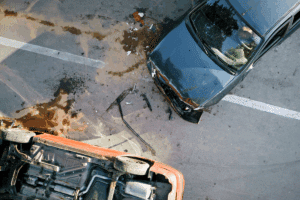


Wondering if you need a lawyer after a traffic accident is one of the first questions people ask us — and it deserves an honest answer, not a sales pitch.
The truthful response is: it depends on the specifics of your situation. Some traffic accidents are straightforward enough that an attorney adds limited value. Others involve injuries, disputed fault, insurance tactics, or coverage complexity that make legal representation the difference between a fair outcome and a significantly undervalued one.
What most people don’t know is which category their crash falls into — and that uncertainty itself is a reason to at least have an initial conversation. Understanding where your situation sits on that spectrum costs you nothing. Making the wrong call about whether you need a lawyer for a traffic accident in Las Vegas can cost you significantly.
Howard Injury Law handles motor vehicle accident cases throughout Las Vegas and Nevada. Consultations are free, there’s no obligation, and we work on contingency — meaning no fees unless we recover for you. Glen Howard spent years on the insurance defense side before representing injured people, which means he can tell you directly whether your case warrants legal representation and what that representation would actually accomplish.
When You Probably Don’t Need a Lawyer
Start here because it’s the honest place to start. Not every traffic accident requires an attorney, and overstating the need doesn’t serve anyone.
If the crash was genuinely minor — a low-speed fender bender with no injuries, clear liability, and vehicle damage that falls within straightforward collision coverage — handling the property damage claim yourself is often reasonable. If you feel completely fine in the days after the crash, your medical needs are zero, the other driver’s fault is not disputed, and the insurance company’s offer covers your actual vehicle repair costs, you may not need legal representation for that specific situation.
The key phrase is actual costs. If the settlement offer covers what you actually lost and you have no injuries to document, settling independently is a legitimate option.
The problem is that most people who think their situation fits this description discover it doesn’t — because injuries appear days later, because the insurer disputes fault, or because the initial offer is lower than the actual repair costs. That’s why the no-lawyer decision should be made only after you’re certain your injuries are truly zero, not while you’re still in the adrenaline window after the crash.
When You Almost Certainly Do Need a Lawyer
You Were Injured — Any Injury at All
If you sought medical care after the crash, if you have any symptoms at all — neck stiffness, back pain, headaches, dizziness — you need an attorney before you talk to the other driver’s insurance company.
Here’s why. Insurance companies evaluate injury claims using internal guidelines designed to minimize payouts. An unrepresented claimant negotiating their own injury claim is at a structural disadvantage — they don’t have access to comparable case values, medical cost projections, or the legal leverage that changes how adjusters respond. Studies consistently show that represented claimants recover substantially more than unrepresented ones even after attorney fees are accounted for.
Injuries also have a way of being more serious than they first appear. Whiplash symptoms typically peak 24 to 72 hours after a crash. Disc injuries may not produce their full symptom picture for days. Concussions are frequently underestimated at the scene. Settling before your treatment is complete — which is exactly what early insurance offers are designed to accomplish — can leave you with medical bills that exceed your settlement after the release is signed.
If you’re unsure about the timing of your symptoms, read when you should seek medical care after a vehicle accident before you make any decisions about your claim.
Fault Is Disputed or Being Assigned to You
Nevada follows a modified comparative negligence standard. If the other driver’s insurance assigns you a percentage of fault — even a modest one — your recovery is reduced proportionally. If they push your fault above 50 percent, your recovery disappears entirely.
Insurance adjusters understand this rule and use it strategically. They will look for any evidence that assigns you a share of blame: your speed, your lane position, whether you saw the other vehicle in time. Statements you make in early conversations — even seemingly cooperative ones — can be used to support fault attribution against you.
An attorney understands how fault is being constructed from the other side and can challenge those attributions with evidence. If the other driver is blaming you for a crash you didn’t cause, handling that dispute without legal representation puts you at a significant disadvantage.
Understanding how fault is determined in a motor vehicle accident and who is liable in a motor vehicle accident in Nevada helps you recognize when the insurer’s version of events doesn’t match what the evidence actually shows.
The Insurance Offer Seems Low — Or Came Very Fast
A settlement offer that arrives quickly after a crash is not a sign that the insurer is being fair. It’s a sign that they want to close your claim before you understand its full value. Early offers are made specifically because:
Your treatment isn’t complete yet. The full extent of your injuries — and their cost — isn’t established.
You haven’t consulted an attorney. The offer reflects what they think you’ll accept without representation, not what your claim is actually worth.
A release of liability accompanies the offer. Signing it ends your right to any future claim, regardless of how your condition develops.
Before you accept any offer, understand what your personal injury case may be worth in Nevada — including medical costs, lost wages, future treatment needs, and non-economic damages like pain and suffering. Nevada has no cap on non-economic damages for most traffic accident cases. That matters significantly in serious injury claims.
And understand specifically whether you should accept the first settlement offer from insurance in Las Vegas — because the answer is almost always no.

The Crash Involves Special Circumstances
Certain crash types introduce legal complexity that makes attorney involvement particularly valuable.
Commercial vehicles. Crashes involving delivery trucks, semi-trucks, or company vehicles may create employer liability alongside driver liability. Commercial insurers are sophisticated and well-resourced. They move quickly after a crash and have legal teams available immediately. An unrepresented claimant negotiating against a commercial insurer is significantly outmatched.
Rideshare vehicles. Uber and Lyft have tiered insurance structures that depend on the driver’s app status at the time of the crash. Whether the driver was waiting for a ride request, en route to pick up a passenger, or actively transporting someone determines which coverage tier applies — and the difference between those tiers is significant. Identifying the right coverage and pursuing it correctly requires familiarity with how rideshare liability works.
Uninsured or underinsured drivers. If the driver who hit you has no insurance or insufficient coverage, your own UM/UIM policy becomes your primary recovery path. Filing a UM claim against your own insurer is not the cooperative process most people expect — your carrier will evaluate and potentially dispute the claim with the same rigor any insurer applies. Understanding how uninsured motorist coverage works in Nevada and how to maximize a UM claim requires experience with how those negotiations work.
Hit-and-run crashes. When the at-fault driver fled the scene, the evidentiary and coverage picture is more complex. Preserving available evidence quickly, pursuing UM coverage, and handling the investigation correctly all benefit from early legal involvement.
Multiple vehicles. Crashes involving three or more vehicles create multi-party liability questions that become difficult to navigate without legal guidance. Nevada’s comparative fault framework allocates percentages across all parties, and the insurer for any one of them will be looking to shift as much liability as possible onto the others — including you.
What an Attorney Actually Does in a Traffic Accident Case
Understanding what legal representation involves helps you evaluate whether it makes sense for your situation.
An attorney investigates the crash — preserving camera footage before it’s overwritten, securing the police report, identifying witnesses, and building the evidentiary record that establishes fault. They also document your injuries through your medical records and may connect you with specialists who understand how to document injuries for legal purposes.
An attorney also manages all communication with insurance companies — which means you don’t give recorded statements, don’t accept premature offers, and don’t accidentally say something that damages your claim. They calculate the full value of your damages including future medical costs and non-economic losses that unrepresented claimants typically underestimate. They negotiate from a position of documented value and legal leverage. And if the insurer refuses to pay fairly, they file a lawsuit that changes the dynamic entirely.
All of this happens on contingency. You pay nothing upfront. Attorney fees come from the recovery — and only if there is one.
The Cost Concern: Is It Worth It Financially?
The contingency fee model exists precisely because it aligns the attorney’s interest with yours. If you don’t recover, they don’t get paid. That structure means an honest attorney won’t take a case they don’t believe has value — and won’t recommend representation where it doesn’t add value beyond their fee.
The relevant question isn’t whether representation costs money. It’s whether the net recovery — after attorney fees — is higher with representation than without. For injury cases of any meaningful severity, the answer is almost always yes. For pure property damage claims with zero injuries, the calculus is different.
A free consultation answers that question for your specific situation without any commitment. Knowing what to expect when you call a personal injury lawyer helps you walk into that conversation prepared.

Frequently Asked Questions
Should I get a lawyer if the accident wasn’t my fault?
Fault being clear doesn’t mean the claims process will be simple. Even in crashes where liability is obvious, insurance companies dispute injury severity, delay payment, and make early low offers. An attorney ensures the value of your claim reflects your actual damages — not the insurer’s preferred settlement figure.
What if my injuries seem minor?
Minor-seeming injuries from traffic accidents have a documented pattern of being more significant than they initially appear. Soft tissue injuries, disc issues, and concussions all present delayed symptoms. Getting a medical evaluation and at minimum a free legal consultation before settling protects you if the picture changes.
How long do I have to decide whether to hire an attorney?
Nevada’s statute of limitations for personal injury claims is two years from the date of the crash. But evidence disappears much faster than that — camera footage, witness availability, and physical evidence all degrade quickly. Earlier involvement produces better outcomes. Don’t wait until the deadline is close to make this decision.
What does a contingency fee mean exactly?
You pay no upfront fees. If the attorney recovers compensation for you, their fee is a percentage of that recovery — typically between 33 and 40 percent depending on whether the case settles or goes to trial. If there is no recovery, there is no fee. Learn more about what a contingency fee is and how it works in Nevada.
Can I switch to an attorney if I’ve already started dealing with insurance myself?
Yes — and sooner is better than later. If you haven’t signed a release, your claim is still open. An attorney can take over communication with the insurer, assess what’s been said and done so far, and advise on how to proceed from where you are.
One Conversation Answers the Question
Do you need a lawyer for a traffic accident? The honest answer is: find out before you decide. A free consultation with an experienced Nevada motor vehicle accident attorney tells you exactly where your situation sits — whether representation adds clear value, what your claim might be worth, and what the process looks like from here.
The motor vehicle accident attorneys at Howard Injury Law represent injured people throughout Las Vegas and Nevada. We’ll tell you directly whether we think you need legal representation and why. Glen Howard and our team are available 24 hours a day. Start with a free case review — no pressure, no obligation, no fees unless we recover for you.
The call costs you nothing. The answer is worth knowing.