


Your case reached mediation, and now you’re staring at a date on the calendar with no idea what’s supposed to happen that day. You’re wondering if you’re being pushed to settle for less than you deserve, what you’re allowed to say, and whether saying yes means you can never change your mind. Those are the right questions to ask. Mediation in a personal injury case is one of the biggest decision points in your claim, and walking in without understanding it puts money on the table for the other side.
Here’s what mediation actually is, how the day unfolds, and how to protect yourself in the room — from a Las Vegas personal injury lawyer who has sat on both sides of these negotiations.

What Is Mediation in a Personal Injury Case?
Mediation in a personal injury case is a settlement meeting run by a neutral third party — the mediator — whose job is to help you and the insurance company reach an agreement without a trial. The mediator does not decide who wins. They don’t rule on your case or force anyone to do anything. They move between both sides, carry offers back and forth, and pressure-test each party’s position until a number both sides can live with comes into view.
Two things matter most about this setup. First, mediation is confidential — what gets said in the room generally can’t be used against you later if the case doesn’t settle. Second, it’s non-binding until you sign — nothing is final unless you agree to it and put your name on a settlement agreement. You are never trapped into a deal you don’t want.
Mediation can be something both sides choose voluntarily, or it can be ordered by the court as a required step before trial. Either way, the goal is the same: resolve the claim faster, cheaper, and with less uncertainty than a courtroom.
How Personal Injury Mediation Works, Step by Step
Most mediations follow the same rhythm, whether they happen in a conference room off Sahara Avenue or over video. Knowing the sequence takes most of the anxiety out of the day.
- A mediator is chosen. Both sides agree on a neutral professional — often a retired judge or an experienced attorney — to run the session.
- Opening positions. Each side lays out how it sees the case. Your attorney presents your injuries, your losses, and why the other party is responsible.
- Separate rooms. This is the part people don’t expect. You and the insurance company are usually placed in different rooms, and the mediator shuttles between you. You rarely have to face the other side directly.
- Private negotiation. The mediator carries offers and counteroffers back and forth, telling each side where its argument is strong and where it’s weak. Numbers move in rounds.
- Agreement — or not. If both sides land on a figure, it’s written into a settlement agreement and signed. That signature makes it binding. If you don’t reach a deal, your case simply continues toward trial, and nothing you said in the room follows you there.
A session can take a few hours or run all day. Complex cases with multiple parties or disputed fault tend to take longer, because every party in the room has its own interests to work through.
The Real Benefits of Mediation — and How Often Cases Settle
The honest reason mediation exists is that trials are slow, expensive, and unpredictable for everyone — including the insurance company. Mediation gives both sides a way out of that risk. For you, the benefits are concrete:
- Speed. You can resolve your claim in a single day instead of waiting a year or more for a trial date.
- Lower cost and stress. Less time in litigation means fewer expenses and far less emotional wear.
- Privacy. Court is public. Mediation keeps the details of your injuries and your settlement private.
- Control. You help shape the outcome instead of handing your future to a jury. You can say no.
As for how likely your case is to settle — the large majority of personal injury cases in Nevada resolve before trial, and mediation succeeds far more often than it fails. Even when a case doesn’t fully settle that day, mediation almost always narrows the gap and shows you exactly how the other side plans to argue. That information has real value heading into trial. You can read more about what your case is worth before you decide whether an offer on the table is fair.
The Downsides of Mediation — and How to Protect Yourself
A good lawyer tells you the risks, not just the upside. Mediation has a few.
There’s a cost — mediators charge for their time, usually split between the parties. There’s the chance you reveal strategy to the other side without settling. And mediation can end with no agreement, meaning you’ve spent a day and some money and still have to prepare for trial.
The real risk, though, is subtler: the pressure of the room. Mediators want a deal, and that momentum can push an unrepresented person into accepting a number that looks fine under stress but doesn’t cover future medical care or lost earning capacity. Insurance companies know this. It’s exactly how insurers calculate an offer — they anchor low and count on the moment to do the rest.
You protect yourself by knowing your case’s real value going in, and by having an attorney who won’t let the tempo of the room decide your outcome. Every case is different, so treat this as general guidance — a lawyer who reviews your specific facts is the only one who can tell you what a fair number looks like for you.
What Not to Say During Mediation
Mediation is confidential, but what you say still shapes the negotiation. A few things work against you:
- Don’t minimize your injuries. “I’m feeling a lot better” sounds polite and costs you money. Describe your reality honestly — the pain, the limits, the days of work you lost.
- Don’t volunteer your bottom line. The lowest number you’d accept is between you and your attorney. Never announce it in the room.
- Don’t guess or exaggerate. If you don’t know an answer, say so. Overstating facts hands the other side something to attack.
- Don’t let emotion take the wheel. Outbursts or ultimatums stall progress. Let your attorney carry the hard conversations.
- Don’t admit fault or speculate about it. Even a casual “maybe I could’ve braked sooner” can be twisted into leverage.
The simplest rule: let your lawyer lead, and speak up privately when you have a concern. You hired an advocate precisely so you don’t have to negotiate against a trained adjuster alone.
How Long After Mediation Until You Get Paid?
If you settle at mediation, you don’t walk out with a check — and it helps to know that going in so the wait doesn’t rattle you.
Here’s the sequence. You sign the settlement agreement, then the insurance company sends a release for you to sign. Once they process that release, they mail the settlement check to your attorney, who deposits it in a trust account. Before you get your share, your lawyer pays off any medical liens and case costs — and a good attorney negotiates those liens down, which directly increases what you take home.
Start to finish, most people receive their money about four to six weeks after everyone signs. It can move faster with a large insurer, or take longer if there are liens to negotiate or court approval is required. If you want the bigger picture on timing, we break down how long a personal injury case takes from first call to final check.
Why Glen Howard’s Insurance-Defense Background Changes the Room
Mediation is a negotiation, and negotiations are won by the side that understands the other’s playbook. That’s where the person sitting next to you matters more than almost anything else about the day.
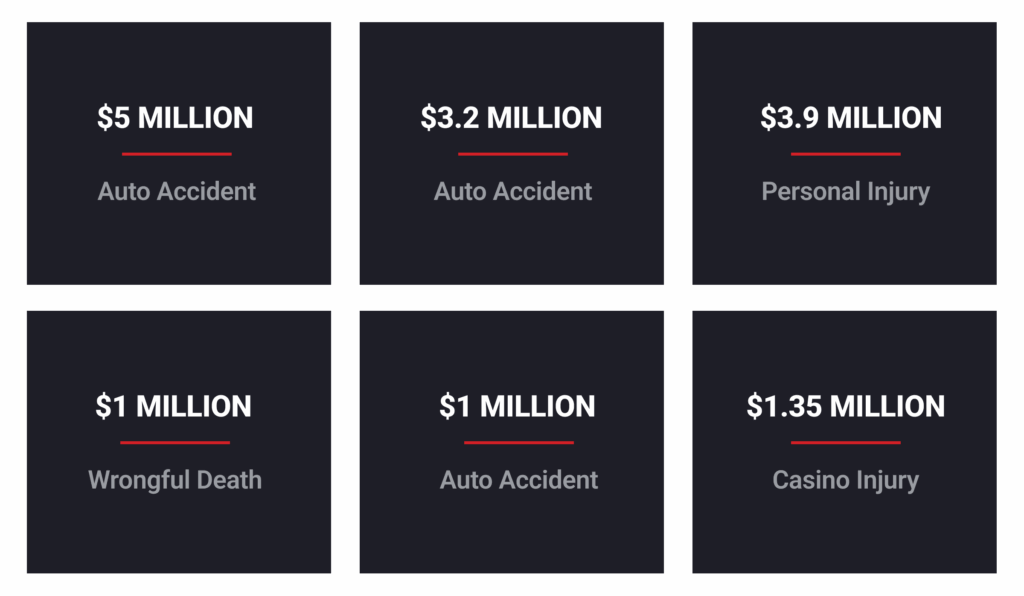
Glen Howard spent the early part of his career on the insurance-defense side — the side now sitting across the table from you. He learned exactly how insurers value a claim, where they pad their reserves, which arguments they lead with, and where their positions crack under pressure. Since 2007 he has represented injured people exclusively, handling more than 1,000 cases and recovering over $75 million for clients across Nevada. You can read more about Glen Howard’s background and why that experience translates directly into stronger mediation outcomes.
That’s the difference between accepting the first workable offer and holding out for what your claim is actually worth. When Howard Injury Law is in the room, the insurer knows the person across the table can read their strategy — and that changes the number.

Frequently Asked Questions
Is mediation binding in a personal injury case?
Not until you agree. Mediation itself is non-binding — you can walk away at any point without a deal. It only becomes binding once you sign a settlement agreement at the end. That signature turns the terms into a legally enforceable contract, which is why you should never sign until you understand exactly what you’re giving up and getting in return. Before that moment, you’re free to reject any offer and take your case to trial. A Las Vegas personal injury attorney reviews the agreement with you line by line before anything is final, so you’re never signing something you don’t fully understand.
Is what I say in mediation confidential?
Generally, yes. Mediation is a confidential process, and statements made during it usually can’t be used against you at trial if the case doesn’t settle. That confidentiality is what lets both sides speak candidly and explore compromise without fear it will resurface in court. That said, confidentiality doesn’t make everything you say harmless — offers, admissions, and how you present your injuries still shape the negotiation in real time. The safest approach is to let your attorney do the talking on strategy and raise anything sensitive with them privately during the session.
Do I have to attend mediation in person?
Usually you’re expected to attend, but “attend” is more flexible than it used to be. Many Nevada mediations now happen over video or allow you to participate remotely, and in some cases your attorney can appear on your behalf for parts of it. Your presence often helps — it signals you’re serious and lets you approve decisions in real time — but it rarely means sitting across from the other driver. You’ll typically be in a separate room or on a separate call, with the mediator moving between the sides. Your lawyer can tell you what your specific mediation requires.
Can I still go to trial if mediation fails?
Yes. If mediation doesn’t produce an agreement, your case simply continues toward trial as if the session never happened. Nothing you said in mediation follows you into the courtroom, because the process is confidential. Mediation is an opportunity to settle, not your last chance and not a trap. In fact, a mediation that doesn’t settle often still moves your case forward — you’ve seen the other side’s arguments and learned where they’re vulnerable, which sharpens your position at trial.
Before You Sit Down at Mediation, Talk to a Las Vegas Injury Lawyer
If your case is heading to mediation, the worst thing you can do is walk in unrepresented and hope the number sounds fair. The insurance company will have a trained negotiator in the room. You should too.
At Howard Injury Law, your free consultation gets you a straight read on what your claim is worth and what to expect on mediation day — no pressure, and no fee unless we win. If you were injured and you need a lawyer who knows how the other side thinks, call or text (702) 331-5722 and tell us what happened. We’ll tell you honestly whether you have a case and what your next step should be.
This article is general information about mediation in Nevada, not legal advice. Every case is different — talk to an attorney about your specific situation.