


Yes — a gap in treatment can hurt your Nevada injury claim, because insurance companies use those delays to argue you were never really hurt, or that your pain came from something else. The reassuring part: a gap is rarely fatal to a case, and there are concrete steps you can take right now to limit the damage.
This matters most once you’re dealing with the at-fault driver’s insurer, which is looking for any reason to pay you less. At Howard Injury Law, founder Glen Howard spent years as an insurance defense attorney building these exact arguments for the other side. That’s the difference a former-defense Las Vegas personal injury lawyer makes — he already knows the play before the adjuster runs it.

What Counts as a “Gap in Treatment”?
A gap in treatment is any meaningful break in your medical care after an accident. It usually shows up in one of two ways:
- A delay at the start — you waited days or weeks to see a doctor after the crash.
- A break in the middle — you started treatment, then missed appointments or stopped going before you were released.
Insurance adjusters look closely at both. Your medical records are the timeline that ties the accident to your injuries, and any blank stretch in that timeline is something they can point to.
Does a Gap in Treatment Hurt Your Nevada Injury Claim?
It can — but it comes down to evidence, not a legal rule. Nevada law does not say a gap in treatment ends your claim. What a gap does is weaken the story your medical records tell, and give the insurer an opening to dispute how badly you were hurt.
A gap with no explanation looks bad. A gap with a credible, documented reason is defensible. The outcome usually depends on how the gap is explained and backed up — which is where having a lawyer changes things. Every case is different, so treat this as general information, not advice about your specific situation.
How Insurance Companies Use Treatment Gaps Against You
Adjusters are trained to turn a gap into leverage. Expect some version of these three arguments:
- “If you were really injured, you would have kept treating.” Silence in your records becomes their evidence that you recovered.
- “Your pain came from something else.” A gap lets them blame a pre-existing condition or a later event instead of the accident.
- “Your claim isn’t worth much.” Even when they accept you were hurt, a gap becomes a reason to shrink the offer.
Nevada’s Unfair Claims Settlement Practices Act (NRS 686A.310) requires insurers to investigate honestly, communicate promptly, and settle fairly — they can’t simply stall or lowball without a basis. But that law doesn’t stop an adjuster from using your gap as a bargaining chip. Because Glen Howard argued the insurer’s side for years, he knows how these points are built and how to take them apart before they shape your settlement.
Common Reasons for Treatment Gaps
Most gaps happen for ordinary, legitimate reasons. If any of these sound like you, you are not alone, and a good attorney can present the reason honestly:
- Money or no health insurance. Care is expensive, and many people stop because they can’t pay. If you can’t afford medical treatment after an accident or you’re wondering whether you can still pursue a claim without health insurance, those problems are solvable — often through a medical lien that lets you get treatment now and pay from the settlement later.
- Transportation and scheduling. Getting across the valley to appointments — fighting I-15 or US-95 traffic around a work shift — is a real obstacle.
- Work and family obligations. Missing time is not always an option, so appointments slip.
- You felt better, then it came back. Soft-tissue injuries often calm down for a week or two and then flare. Stopping care during that window is common and completely understandable.
How to Overcome a Treatment Gap
A gap is a setback, not a dead end. Here’s how to repair it:
- Resume treatment now. This is the single most important step. Consistent, ongoing care is the strongest answer to “you must have been fine.”
- Write down why the gap happened. Note the real reason — money, no ride, felt better — while it’s fresh.
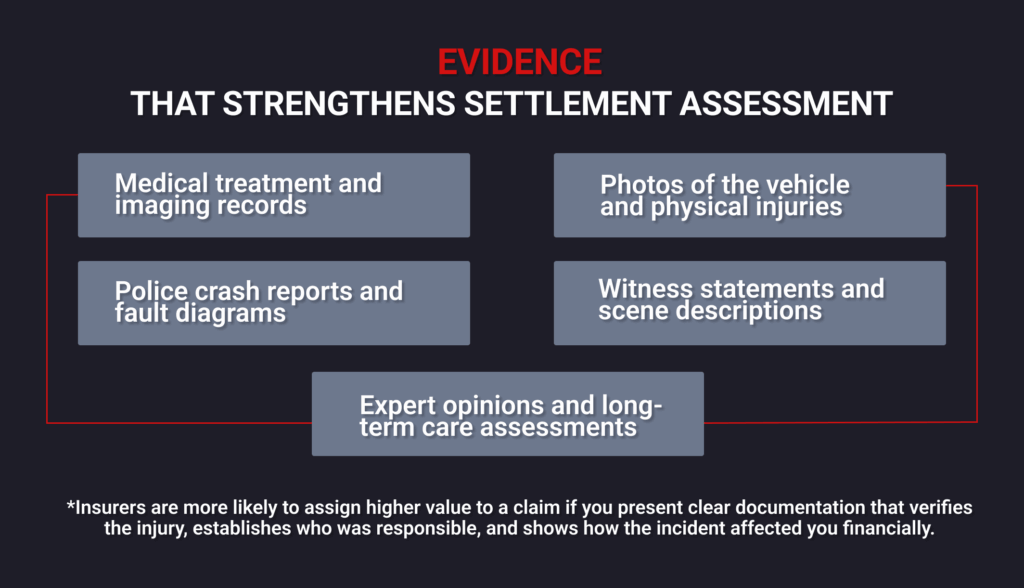
- Tell your attorney the truth about it. Don’t hide the gap. A lawyer can only frame it credibly if they know it’s there, and your medical documentation is what they’ll build that explanation around.
- Follow through from here. Keep every appointment going forward and follow your provider’s plan until you’re released.
What Not to Say to the Insurance Company About Your Treatment
If an adjuster asks about your gap, a few habits protect you:
- Don’t guess or speculate about why you stopped — stick to the facts you know.
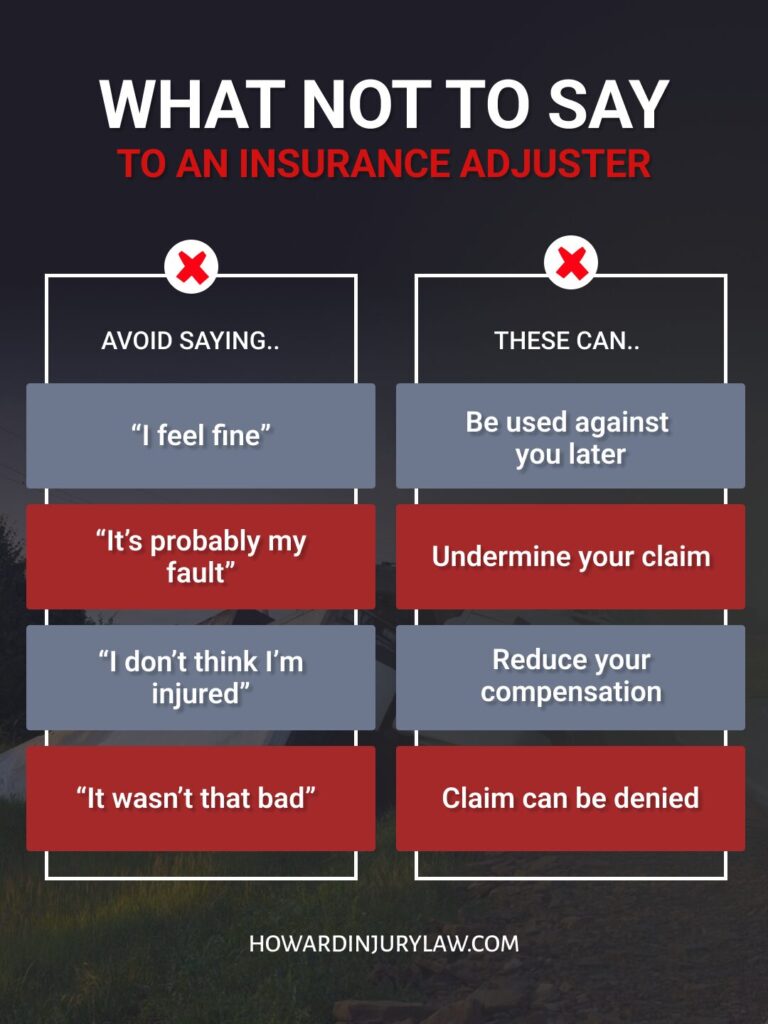
- Don’t say you “felt fine” or downplay your symptoms, even to be polite.
- Don’t agree to a recorded statement or sign a blanket medical authorization without talking to a lawyer first.
- When in doubt, tell them your attorney will follow up, and end the call.
What feels like a casual conversation is often the moment the gap defense gets built. Say less, and let your records and your lawyer do the talking.
Frequently Asked Questions
How long does an insurance company have to settle a claim in Nevada?
Nevada sets response standards rather than a single “settle-by” deadline. An insurer generally must acknowledge a claim within about 20 working days and accept or deny it within about 30 working days after you submit a completed proof of loss, and an accepted claim must be paid within 30 days or interest starts to accrue. The Unfair Claims Settlement Practices Act (NRS 686A.310) also bars unreasonable delay and lowball tactics. These timelines are clearest for claims with your own insurer; when you’re dealing with the at-fault driver’s insurer, there’s no fixed settlement clock — but they still can’t stall in bad faith. If an adjuster is dragging things out, that’s worth a call to a Nevada personal injury lawyer.
What are the four things required to prove negligence?
To hold someone liable for your injuries, four elements have to line up. Duty: the other person owed you a duty of care — for example, every driver’s duty to drive safely. Breach: they failed that duty, such as running a red light or texting behind the wheel. Causation: that failure actually caused your injuries, not some unrelated event. Damages: you suffered real harm — medical bills, lost income, pain. A treatment gap tends to attack the causation and damages pieces, which is exactly why closing the gap and documenting your care matters so much.
What is the longest a personal injury case can take?
It varies widely. A straightforward claim with clear liability may settle in a few months, while disputed-liability or serious-injury cases that move into litigation can take a year or more. In Nevada you generally have two years from the date of injury to file suit, so there’s no need to rush into a low settlement before you understand the full extent of your injuries. You can read more about how long a personal injury case takes and what drives the timeline.
Does a treatment gap change my filing deadline in Nevada?
No — the gap and the filing deadline are two separate things. Nevada’s statute of limitations for most injury claims is generally two years from the date of injury under NRS 11.190(4)(e), whether or not you have a gap. A gap affects the strength and value of your claim, not the clock to file. Some situations — a later-discovered injury, a claim involving a minor, or a claim against a government entity — follow different timing rules, which is one more reason to talk with an attorney early rather than guess.
Talk to a Las Vegas Injury Attorney Before the Gap Defines Your Claim
If you’re thinking “I was injured and I need a lawyer” but you’re afraid a gap in your care already sank your case, that fear is exactly what the insurance company is counting on. Waiting and hoping they don’t notice is the one move that reliably backfires — they will notice, and they’ll use it.
Get ahead of it instead. Howard Injury Law reviews your treatment history, pins down the reasons behind any gap, and builds the record that answers the adjuster’s argument. Glen Howard’s years on the insurance-defense side mean he knows how the other team thinks — and he puts that to work for you. Consultations are free, and you pay no fee unless we win.
If a gap in treatment has you worried about your Nevada injury claim, contact us for a free case review and find out where you actually stand — before the insurer decides for you.