


A rear-end crash happens in a second, and then you’re sitting there with your heart pounding, unsure what to do first. What you do in the next few minutes and the next few hours after being rear-ended in Las Vegas can protect both your health and your right to be paid for the damage — so here’s exactly how to handle it, step by step.
Take a breath. Then work through the moves below in order.
The First Few Minutes After Being Rear-Ended
Your first job is safety, not sorting out fault.
Turn on your hazard lights right away. If the cars are drivable and you’re blocking a live lane — say you got tapped at a red light on the Strip or in stop-and-go traffic on I-15 — move to the shoulder or a nearby parking lot so a second crash doesn’t happen. If anyone is hurt or the cars can’t move, leave them where they are and stay put.
Call 911. Ask for police and, if anyone is injured, paramedics. When an officer comes out and writes a report, that report becomes an official, dated record of the crash — which matters a lot later when an insurance company tries to downplay what happened.
There’s a legal reason to get police involved, too. In Nevada, a crash that causes injury, death, or more than $750 in property damage has to be reported to the DMV within 10 days — unless the police already investigated and filed a report. Getting an officer on scene usually takes that paperwork off your plate.
Before You Leave the Scene
Once everyone’s safe and help is on the way, the scene is your one chance to lock in evidence. Phones do most of the work here.
Exchange the Right Information
Get the other driver’s full name, phone number, and driver’s license number. Trade insurance carriers and policy numbers. Write down the make, model, color, and license plate of the vehicle that hit you. If a rideshare or work vehicle was involved, note the company, too.
Document Everything
Take wide shots that show the whole scene and both cars’ positions, then close-ups of the damage, both license plates, skid marks, and any traffic signals or signs. Photograph the intersection or stretch of road — Sahara and Decatur looks different from a lane on the 215 Beltway, and that context can matter.
If anyone saw it happen, grab their name and number before they drive off. A neutral witness is one of the strongest things you can hand your attorney.
Don’t Apologize or Admit Fault
This is the one that trips people up. Saying “I’m so sorry” out of nervous politeness can be twisted into an admission later. Nevada uses a comparative negligence rule, which means your compensation gets reduced by whatever share of blame lands on you — and disappears entirely if you’re found 51% or more at fault. Stick to the facts with the officer, and don’t speculate about what happened.
Get Checked by a Doctor — Even If You Feel Fine
Plenty of people walk away from a rear-end crash feeling okay, then wake up the next morning barely able to turn their neck. That’s not unusual. Adrenaline masks pain for hours, and injuries like whiplash and concussions often don’t show up until a day or two later.
See a doctor the same day if you can — an ER, an urgent care, or your own physician. Two things happen when you do. You find out whether something’s actually wrong, and you create a medical record dated to the crash. That dated record is what links your injury to the collision. Wait a week to get checked, and the insurer will argue your neck or back problem came from something else entirely.
If symptoms creep in later, our guide on the symptoms to watch after a car accident walks through the warning signs, and we cover the most common rear-end injury in depth in whiplash and back pain after a Las Vegas car accident.
Is the Rear Driver Always at Fault in Nevada?
Usually, but not automatically.
Nevada law requires every driver to leave enough following distance to stop safely. When someone tailgates and can’t stop in time, that failure to keep a safe distance is why the rear driver carries the blame in most rear-end crashes. If a tailgating driver plowed into you, the fault picture is often straightforward.
“Often” isn’t “always,” though. A rear driver can push back if your brake lights were out, if you cut in front of them and stopped short, or if you were reversing. And in a chain-reaction pileup — common in freeway backups on I-15 — you might get hit from behind and shoved into the car ahead, which raises a separate question of who pays for what. Because Nevada splits fault by percentage, more than one driver can share the blame.
If the other side is trying to pin part of the crash on you, our breakdown of how fault is determined in a Nevada car accident explains how those percentages get decided. You can also see how we handle these claims on our Las Vegas rear-end accident page.
What Happens Next — Insurance, Value, and the Clock
Report the crash to your own insurance company promptly, even when the other driver clearly caused it. Nevada is an at-fault state, so the driver who hit you — through their insurer — is generally the one responsible for your medical bills, lost income, and other losses. But their adjuster works for them, not for you.
The first offer is almost always low, and it usually lands before you know the full extent of your injuries. A fair number accounts for all of your treatment (including care you’ll still need), time missed from work, and the pain the crash put you through — not just the visit you’ve already had. If a back injury is involved, the value question gets more complicated, and our page on back and spine injury claims goes deeper on that.
Two clocks are running. The insurer wants to settle fast and cheap. And Nevada gives you two years from the crash date to file an injury claim — miss that window and you generally lose the right to recover anything. There’s no need to rush into a lowball, but there’s every reason not to sit on it.
For the general step-by-step that applies to any crash, see the full checklist of steps after a car accident in Las Vegas. Everything above is the rear-end-specific version.
Frequently Asked Questions
Should I go to the ER after being rear-ended?
If you have any head, neck, back, or chest pain — or you hit your head, blacked out, or feel dizzy or numb — go to the ER. Those can point to injuries that need to be ruled out quickly. If you feel fine, you don’t necessarily need the emergency room, but you should still get checked the same day at an urgent care or by your own doctor. Whiplash and concussions frequently show up a day or two after the crash, once the adrenaline wears off. A prompt exam protects your health and creates a medical record tied to the collision, which you’ll need if you file a claim.
How long does a rear-end accident take to settle in Nevada?
It depends far more on your injuries than on the type of crash. Because fault in a rear-end collision is often clear, liability tends to be less of a fight — but a case usually shouldn’t settle until you’ve finished treatment or reached a stable point, so the value reflects your full recovery. Straightforward cases can wrap in a few months; ones with serious or ongoing injuries take longer. Settling too early almost always means settling for too little. Our full guide on how long a car accident settlement takes in Nevada breaks down what drives the timeline.
What is a good settlement offer for a back injury?
There’s no flat figure, because back injuries range from a strained muscle that heals in weeks to a herniated disc that needs surgery and never fully recovers. A good offer covers all of your related medical care — past and future — plus lost wages, reduced earning ability, and pain and suffering. A quick offer that only reimburses the bills you’ve already paid usually falls short, especially before you know whether the injury is long-term. Before you accept anything on a back injury, it’s worth having an attorney value the claim so you’re not guessing.
I felt fine at the scene but hurt the next day — do I still have a claim?
Yes. Delayed pain after a rear-end crash is common and expected, not suspicious. What matters is getting examined as soon as the symptoms appear and being honest with the doctor about how you feel and when it started. See a physician right away, keep every record, and connect the visit to the crash. The insurer may argue the gap means the injury isn’t related — which is exactly why prompt treatment and clear documentation matter so much.
Talk to a Las Vegas Rear-End Accident Lawyer Before the Adjuster
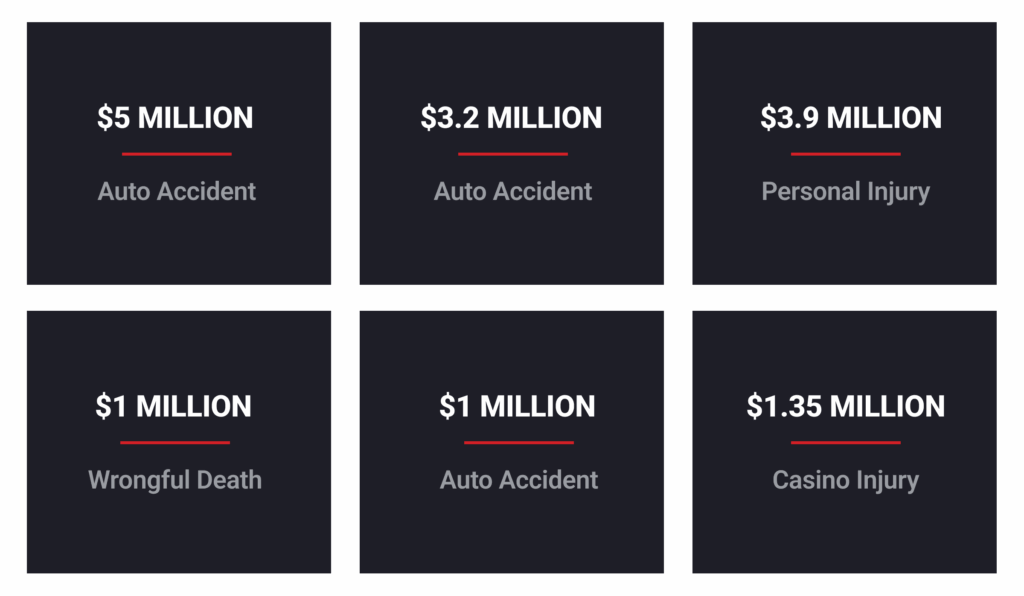
Here’s the part most people don’t know until it’s too late: the adjuster’s friendly first call is the start of a strategy to pay you as little as possible. Glen Howard spent years as an insurance defense attorney — he built those lowball playbooks from the inside, so he knows precisely how the other side will try to minimize your rear-end claim.
If you’ve been rear-ended in Las Vegas, the strongest move is a quick conversation before you give a recorded statement or sign anything. The consultation is free, and you pay no fee unless we win your case. Bring your photos, the police report number, and whatever the insurer has said so far — and let’s find out what your claim is really worth.
Call Howard Injury Law at (702) 331-5722 or reach us through our contact page to get started today.