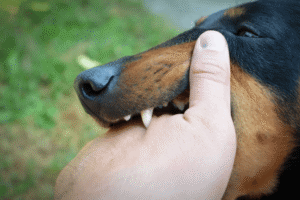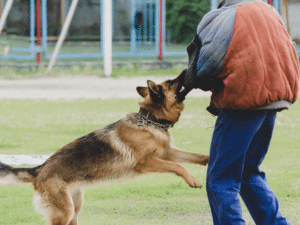


The owner swears the dog has never done this before. Maybe that’s true. But before you accept it, check the official record, because the answer to whether a dog has a bite history in Las Vegas usually sits in an animal control file you can request yourself.
This guide walks you through which agency holds that file, how to ask for it, what to request, and what the records can and can’t tell you. It also covers what to do if the file comes back empty, because a clean record doesn’t automatically end a case.
Why a Dog’s Bite History Matters in a Nevada Claim
Nevada has no dog bite statute that makes an owner automatically responsible. To recover, you generally have to prove the owner was negligent, which means showing what the owner knew or should have done differently. Our breakdown of the four things you have to prove in a Nevada dog bite case explains each element.
A documented history is one of the strongest ways to show the owner knew the risk. A prior bite report, a complaint from a neighbor, or a citation for a dog running loose can turn “we had no idea” into “you were warned.” That’s why the dog’s record is one of the first things checked in dog bite and animal attack claims in Las Vegas.
Step 1: Find the Agency That Holds the Dog’s File
Las Vegas animal records are not kept in one place. The valley is split among several cities and unincorporated Clark County, and each runs its own animal control. Ask the wrong agency and you’ll likely hear “no record found,” which says nothing about the dog.
City of Las Vegas
Bites and complaints inside city limits go to the City of Las Vegas Animal Protection Services, which is part of the city’s public safety department. Its dispatch line is (702) 229-6444, option 2. Records requests go through the city’s online public records portal.
Unincorporated Clark County
Much of the valley isn’t inside any city, including Spring Valley, Enterprise, Paradise, Sunrise Manor, and much of the Las Vegas Strip. Those areas are handled by Clark County Animal Protection Services at (702) 455-7710. The county takes records requests through an online form on its website.
Henderson
Henderson runs its own animal protection division under its own city code. As of July 2025, that division sits within the city’s community development department, not the police department. Older articles that tell you to call Henderson police for animal records are out of date.
North Las Vegas, Boulder City, and Mesquite
North Las Vegas has its own Animal Protection Services division, run through the city’s police department. Boulder City and Mesquite each have their own animal control as well. Check each city’s website for its records request process.
Check Both Places
A dog’s history follows where the dog lives, not just where it bit you. If the bite happened in one jurisdiction and the dog lives in another, request records from both.
| Situation | Where to request records |
|---|---|
| Bitten near your home, dog lives next door | The agency covering your neighborhood |
| Bitten at a park in one city, dog lives in another | Both agencies |
| Dog recently moved from another city or state | The current agency, plus the prior one if you know it |
| Not sure which jurisdiction applies | Start with the agency for the bite location; it can often tell you who else may hold records |
Step 2: Request the Records
Under Nevada’s public records law, government records are generally open to the public unless a law makes them confidential. Once an agency receives your request, it generally has five business days to respond. It must either provide the records, tell you in writing when they’ll be ready and why, tell you who holds them if it doesn’t, or deny the request in writing and cite the law that makes the records confidential.
Clark County notes that statements, photos, and videos submitted to its animal protection office are public records, with confidential information redacted. Expect names, phone numbers, and medical details of other people to be blacked out.
What to Ask For
Be specific. A vague request for “everything on the dog” can come back thin. Ask for:
- Prior bite reports and attack reports
- Calls for service and complaints tied to the dog, owner, or address
- Citations for running at large or leash violations
- Quarantine records from any earlier bite
- Dog license and rabies vaccination records
- Any dangerous or vicious dog notices, hearing records, and outcomes
- Permits tied to the address, such as permits for keeping a restricted dog
Search by Dog, Owner, and Address
Records can be filed under different identifiers. A dog may have been licensed under a spouse’s name, or a complaint may list only an address. Ask the agency to search by the dog’s name and description, the owner’s full name, and the home address. If you know a prior address, include that too.
What the Records Can and Can’t Tell You
An official file is powerful, but it has gaps. Knowing them keeps you from reading too much into a short or empty response.
- Open investigations. Agencies generally won’t release details while an investigation is still active, including the one into your bite.
- Redactions. Witness names and contact details may be removed, which makes it harder to track people down on your own.
- Unreported incidents. Many bites never get reported. A neighbor who got nipped and shrugged it off won’t show up in any file.
- Other jurisdictions. A dog that lived in Henderson last year and North Las Vegas now may have records split between the two.
- Prior owners. If the dog was rehomed or adopted, earlier incidents may be filed under someone else’s name.
Was the Dog Ever Declared Dangerous or Vicious?
Nevada law allows a dog to be formally designated dangerous or vicious based on its behavior, never on its breed alone. A designation usually comes with written notice to the owner and a chance to challenge it, so there may be a paper trail even if no bite was ever reported. When you request records, ask specifically whether any designation notice was issued and how any hearing turned out.
You don’t need an official designation to bring a claim. If one exists, though, it’s strong evidence the owner was on notice. Our guide to Nevada’s dog bite rules explains what each designation means.
If the File Comes Back Empty
An empty file means nothing was reported to that agency. It doesn’t mean the dog was harmless, and it doesn’t mean you lack a claim. Fault can also come from how the owner handled the dog that day, such as a gate left open, or from warning signs that never reached animal control. Here’s how a dog that never bit anyone before can still lead to a case.
Also check whether the dog was loose when it bit you. Whether or not the owner was ever cited, a leash law violation on the day of the bite can be strong proof of fault in its own right.
What a Lawyer Can Find That You Can’t
A public records request only reaches government files. Much of a dog’s real history lives in private places: vet notes about aggression, a doggy daycare that asked the owner to stop bringing the dog, an HOA complaint log, a neighbor’s doorbell video, or the owner’s own texts.
A lawyer can reach that evidence in ways you usually can’t:
- Pull records across every agency at once, using the right identifiers and following up when a response comes back incomplete.
- Send an evidence preservation letter to the owner, an HOA, or a property manager, so camera footage and complaint records aren’t deleted.
- Subpoena private records such as vet, groomer, and daycare files once a case is filed.
- Interview neighbors before memories fade or people move.
Glen Howard spent years as an insurance defense attorney before he started representing injured people. He knows the playbook: the adjuster checks the dog’s record early, and if the file looks clean, the “never aggressive before” defense comes next. Working with an animal attack attorney who builds the full history means that defense gets tested against real evidence, not just the owner’s word.

Frequently Asked Questions
Are dog bite reports public record in Las Vegas?
Generally, yes. Nevada’s public records law treats government records as open unless a specific law makes them confidential. That includes animal control reports in Las Vegas and Clark County. Clark County says that statements, photos, and videos submitted to its animal protection office are public records, with confidential information redacted. Two limits apply. Agencies usually won’t release details of an investigation that’s still open, and personal details of other people, like phone numbers or medical information, are typically blacked out. Request records from the agency that covers the area where the bite happened and, if different, where the dog lives.
How do I find out if a dog has been declared dangerous?
Ask the animal control agency that covers the dog’s home address. In your records request, ask specifically for any dangerous or vicious dog notices tied to the dog, the owner, or the address, plus any hearing records and outcomes. Under Nevada law, a designation is based on the dog’s behavior, such as repeated unprovoked menacing incidents or an attack causing serious injury, never on breed alone. Most dogs that bite have never been formally designated, so a “no” doesn’t end the question. Prior complaints, citations, and bite reports can show the owner knew the risk even without an official label.
What happens after a dog bite is reported in Clark County?
Once a bite is reported and confirmed in unincorporated Clark County, the biting animal is placed under a 10-day quarantine to watch for signs of rabies. Depending on the situation, the dog may be quarantined at home, at a shelter, or at a vet’s office. The report also creates an official record tied to the dog and its owner. That record is what the next person bitten by the same dog may rely on, and it can become key evidence in your own claim. Other cities in the valley run their own bite and quarantine process, so the steps can differ slightly by location.

The Owner Says “Never”? Let a Former Insurance Defense Attorney Check
You shouldn’t have to take the owner’s word for it, and neither should your claim. If you’ve been bitten, or your child has, Howard Injury Law can pull the records from every agency that may hold them, lock down private evidence before it disappears, and tell you honestly where your case stands.
Not sure you have a claim at all? Start with how to tell if you have a personal injury claim. Every case is different, and Nevada gives you two years in most injury cases, but records and memories fade much faster than that.
Consultations are free, and you pay no fee unless we win. Request your free case review with a Las Vegas dog bite lawyer and find out what the dog’s history really says.