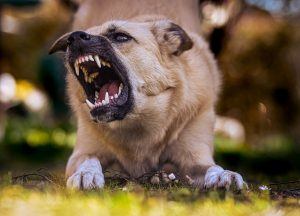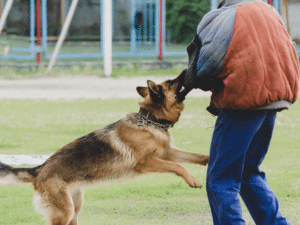


Being bitten by a friend’s dog hurts twice: once in the skin, and again every time you think about what filing a claim might do to the friendship. Most people in this spot are not looking for a fight. They want their medical bills covered without turning a sister, a neighbor, or a best friend into a defendant.
Here’s the part that changes the decision for most people: in Nevada, a dog bite claim against someone you know is usually paid by their homeowner’s or renter’s insurance, not out of their savings. A Las Vegas dog bite attorney deals with the insurance company, so you don’t have to negotiate with someone you’ll see at Thanksgiving.
Why Being Bitten by a Friend’s Dog Feels Different (and What Actually Happens If You File)
When a stranger’s dog bites you, the decision feels simple. When it’s your cousin’s dog, or the neighbor who waters your plants, guilt takes over. You might worry they’ll lose their house, hate you, or get in trouble.
In practice, the process is less personal than it feels. The owner reports the bite to their insurer. The insurer assigns an adjuster, investigates, and, if a lawsuit is ever filed, hires and pays a lawyer to defend the owner. Settlement money normally comes from the policy, up to its limits.
Your friend’s role is mostly to tell their insurer what happened. If you want the details of which policies pay and how much, our guide on whether homeowner’s or renter’s insurance covers a dog bite in Nevada walks through it.
When Your Friend Offers to “Just Pay the Bills”
This is the most common moment where people hurt their own case. The owner feels terrible and says, “Don’t call anyone, I’ll cover it.” It sounds kind and reasonable. Often it is. But a handshake deal carries risks for both of you.
Why a Handshake Deal Can Backfire on Both of You
- Bites get worse after the first visit. Infections, nerve damage, and scarring often show up weeks later. A friend who happily paid the urgent care bill may not be ready for a plastic surgeon’s estimate.
- The clock keeps running. Nevada generally gives you two years from the bite to file an injury lawsuit. Months spent waiting on informal payments count against that deadline.
- Delay can hurt your friend’s coverage. Most policies require the owner to report a bite promptly. If they wait months because you agreed to keep it quiet, their insurer may argue the late notice gives it a reason to dispute coverage. The “favor” can leave your friend personally exposed.
- Money changes friendships too. Disagreements about what’s “fair” are often harder on a relationship than an insurance claim handled by professionals.
What Their Offer Does and Doesn’t Mean Legally
Under Nevada law, an offer or promise to pay someone’s medical bills generally can’t be used to prove the person was at fault. So your friend can help you without that kindness being used against them as an admission.
Their other words are a different matter. Texts like “I’m so sorry, he got out through the side gate again” describe what happened, and that kind of statement can be evidence. Save every message. You’re not building a case against your friend. You’re preserving facts their insurer will want to see.
Does Your Relationship Change Who Pays?
Sometimes, yes. Who owns the dog matters less than where everyone lives and who was in control of the dog.
| Your situation | What usually happens |
|---|---|
| Friend or neighbor’s dog | A standard claim against their homeowner’s or renter’s policy. |
| Relative who lives in a different home | Usually the same as a friend. Being family alone doesn’t block the claim. |
| Relative or roommate you live with | Many policies don’t cover injuries to people living in the owner’s household, so the usual policy may not pay. Other options, like a landlord’s coverage, depend on the facts. |
| Their dog bit you at your own house | Coverage generally follows the owner, so their policy can still respond even though the bite happened at your place. |
| You were dog-sitting for them | Harder. You had control of the dog, so questions about what the owner knew and what you could have done carry more weight. |
Nevada uses modified comparative fault. If the insurer claims you shared some blame (you reached for the dog’s bowl, or you were the one holding the leash), your recovery can be reduced, but you can still recover as long as you weren’t more at fault than the people you’re claiming against. Every case turns on its facts, which is why it’s worth having an attorney look before you rule yourself out.
Will Reporting the Bite Get the Dog Put Down?
This fear stops a lot of people from reporting a bite from a family member’s dog. Here’s what reporting usually means in Clark County.
Clark County Animal Protection Services says all bites from warm-blooded mammals to people must be reported. Under Nevada’s rabies rules, a dog that bites someone is generally quarantined and observed for 10 days, even if its rabies shots are current. Depending on the circumstances, that quarantine can happen at the owner’s home, at the county’s contract shelter, or at a veterinarian the owner chooses to pay.
Quarantine is about ruling out rabies. It’s not a punishment and not a death sentence. Nevada’s rules allow euthanasia without quarantine only in narrow situations, such as a dog that is severely ill, shows signs of rabies, or is too aggressive to handle safely.
A single reported bite also doesn’t automatically brand the dog “dangerous” or “vicious.” Under Nevada law, those labels require specific findings, like repeated menacing incidents or a bite causing serious harm without provocation. The City of Las Vegas, Henderson, and North Las Vegas each run their own animal protection agencies, and we’ll cover the reporting steps for each in a separate guide.
Is Filing a Claim Against a Friend’s Dog Worth It?
Not every bite needs a claim. Here’s an honest way to sort it.
A claim is usually worth exploring if:
- You needed stitches, staples, or a follow-up visit
- The bite is on your face, hands, or anywhere a scar would be visible
- The wound became infected or you needed antibiotics or a rabies series
- You missed work or can’t use your hand normally
- A child was bitten (children’s scars and settlements follow special rules in Nevada)
You may not need one if:
- It was a small nip that healed fully in a few days
- Your health insurance covered everything and you have no out-of-pocket costs
- There’s no scarring and no lingering pain
If you’re unsure, the safest move is to get the wound checked and keep records. You can always decide later, as long as you stay within the filing deadline. Scars, in particular, can take months to show what they’ll look like.
Key Steps After a Friend’s or Family Member’s Dog Bites You
- Get medical care the same day. Tell the provider it was a dog bite so it’s documented.
- Get the rabies vaccination record in writing. A text with a photo of the certificate works and keeps things friendly.
- Report the bite to animal control. It starts the 10-day quarantine and creates an official record.
- Save texts, photos, and names. Photograph the wound every few days, plus the gate, fence, or leash involved.
- Don’t agree to “keep it between us.” You can stay kind and still protect yourself.
- Let the insurer talk to a professional. Before you give a recorded statement or sign anything, talk with an animal attack attorney about who is liable and what the claim is worth.
If you were hurt by something else at a friend’s home, like a fall on their stairs, our guide on getting hurt at someone’s house in Vegas covers how those claims work.
Frequently Asked Questions
Is it worth suing for a dog bite?
When the dog belongs to a friend or relative, most cases never become lawsuits. They resolve as insurance claims, often without anyone stepping into a courtroom. Whether it’s worth pursuing depends on the injury: stitches, scarring, infection, missed work, or a child’s bite usually justify a claim, while a minor nip that healed quickly often doesn’t. A lawsuit typically comes up only if the insurer refuses to pay a fair amount or the filing deadline is approaching. In Nevada, that deadline is generally two years from the bite for adults, and longer for children. A free consultation can tell you whether your situation is worth pursuing before you say anything to the owner or their insurer.
What is a typical payout for a dog bite?
There’s no standard number, because value depends on the specific injury. The factors that move a dog bite claim most are the depth and location of the wounds, whether there’s permanent scarring (especially on the face or hands), infection or nerve damage, the cost of future care like scar revision, lost income, and the limits of the owner’s insurance policy. A visible scar on a child usually carries far more value than a healed bite on an adult’s leg. National insurer data gives a sense of scale, and we break it down in our post on what happens when a dog never bit anyone before. Your own claim should be valued on your records, not an average.
What proof is needed for a dog bite?
Nevada has no dog bite statute that makes owners automatically liable, so you generally have to show the owner was careless. That can mean they knew the dog had shown aggression, broke a leash or containment rule, or failed to control the dog that day. Useful proof includes medical records, wound photos taken over time, the animal control report, the rabies vaccination record, witness names, and texts from the owner describing what happened. A prior bite helps, but it isn’t required. Our guide to what you have to prove under Nevada dog bite law explains each element.
What is the 10-day rule in a dog bite?
The 10-day rule is a rabies quarantine. Under Nevada’s rabies regulations, a dog that bites a person is generally confined and observed for 10 days after the bite, even if it’s vaccinated. If the dog stays healthy for those 10 days, it couldn’t have passed rabies through the bite, which helps your doctor decide whether you need rabies shots. In Clark County, the quarantine may take place at the owner’s home, at the county’s contract shelter, or at a veterinarian, depending on the circumstances, and the owner pays the costs. The 10-day rule has nothing to do with your filing deadline, which is generally two years.
Will my friend get in trouble if I report their dog?
Usually not in the way people fear. Reporting a bite mainly starts the rabies quarantine and creates a record. For a typical first bite, the owner faces no criminal charge. Nevada’s criminal penalties generally apply to people who keep a dog already declared vicious after being notified, or whose known vicious dog seriously injures someone. Local animal control may cite an owner for violations like letting a dog run loose. The insurance claim itself is a civil matter handled by their insurer, and many owners are relieved to learn their policy, not their bank account, takes care of it.

Hurt by a Dog You Love? Let a Former Insurance Defense Attorney Handle the Hard Part.
You shouldn’t have to choose between your health and your relationships. Glen Howard spent years on the insurance side of these claims, so he knows how adjusters evaluate a bite from a friend’s or family member’s dog and how to get the claim paid without dragging your friend into the middle of it.
If you’re asking yourself “do I even have a case?”, that’s exactly what a free review answers. There’s no fee unless we recover compensation for you, and talking to us doesn’t commit you to filing anything. Tell us what happened, and a Nevada attorney will help you decide your next step before the insurer, or a well-meaning friend, decides it for you.