

“I didn’t see you.” If a driver said that to you after knocking you off your bike, you’re probably hurting, rattled, and already feeling blamed for something that wasn’t your fault. Knowing what to do after a bicycle accident in Las Vegas, in the right order, protects both your health and your right to be paid for what happened.
Nevada law gives you the same rights on the road as the driver who hit you. The steps below help you keep them.
What to Do After a Bicycle Accident in Las Vegas
- Get out of traffic and call 911, even if you feel okay.
- Don’t argue about fault or apologize at the scene.
- Collect the driver’s information and witness contacts before anyone leaves.
- Photograph everything: your bike, the road, the car, and your injuries.
- See a doctor within 24–72 hours, even if you rode home.
- Keep your bike, helmet, and gear exactly as they are. They’re evidence.
- Talk to a Nevada attorney before you give the other driver’s insurer a recorded statement.
Each step is explained below, along with why it matters.
At the Scene: The First Hour
Get Out of Traffic and Call 911, Even If You Feel Fine
Adrenaline hides pain. Many cyclists stand up, check their bike, and say “I’m okay,” then wake up the next morning unable to turn their neck. Move yourself out of traffic if you can do it safely, then call 911 and report that a cyclist was hit and someone may be hurt.
Las Vegas Metro doesn’t always respond to crashes with no injuries, so reporting a possible injury matters. Before you leave, ask the officer for the event number or report number. That report is often the first document an insurance company reads.
Don’t Argue Fault or Apologize
A quick “sorry” or “I didn’t see you either” can show up later in an adjuster’s notes as an admission. You don’t need to argue with the driver or explain your lane position at the scene. Stick to the facts when you talk to police and let the evidence speak.
Get the Driver’s Information, and the Witnesses’
Get the driver’s name, phone number, license plate, driver’s license number, and insurance company and policy number. Take a photo of their insurance card and license if they’ll let you.
Witnesses matter more in bike crashes than in most collisions, because the driver’s story is often “the cyclist came out of nowhere.” Anyone who saw the crash, whether another driver, a pedestrian, or a rider behind you, can back up your account. Get their names and phone numbers before they walk away.
If the driver takes off, your claim follows a different path. Our guide on what to do after a hit-and-run accident walks through it.
Photograph What a Bike Crash Leaves Behind
Car crashes leave obvious damage. Bike crashes often don’t, so photos do more of the work. Capture:
- Where your bike came to rest, and where you landed
- The bike lane, lane markings, signals, and any sight-line obstructions
- The contact point on the car (a scuffed bumper, a dented door, a cracked mirror)
- Debris, skid marks, and road hazards like potholes or loose gravel
- Your injuries, torn clothing, and damaged gear
Wide shots show the layout, and close-ups show the damage. You need both.
The Next 72 Hours: Protect Your Health and Your Evidence
See a Doctor, Even If You Rode Home
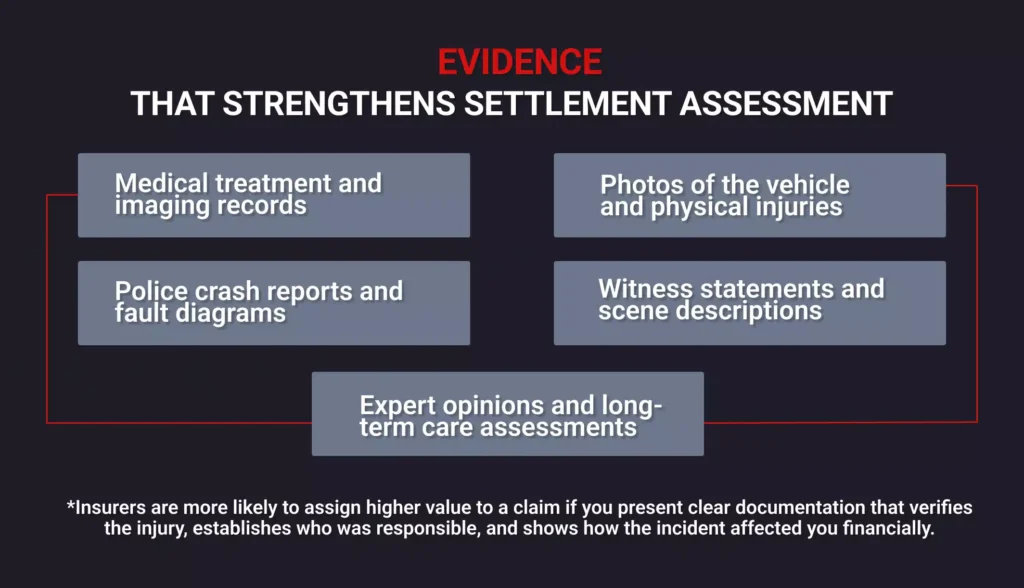
Concussions, fractures, and soft-tissue injuries don’t always show up right away. If your helmet cracked or scraped, your head hit something hard enough to matter, and a doctor should check you even if you feel “a little foggy” and nothing more.
Seeing a doctor promptly also creates a medical record tying your injuries to the crash. Waiting a week or two gives the insurance company room to argue something else caused them.
Don’t Repair, Toss, or Sell Your Bike or Helmet
Your bike frame, wheels, helmet, and clothing are physical evidence of how hard you were hit and from what direction. Keep them as they are, photograph them in good light, and don’t send the bike to a shop for repair until your claim is documented.
Your bike is also property damage. Nevada generally gives you three years to sue over property damage and two years for personal injury, but don’t let either clock run down (more on deadlines below).
Save Your Ride Data and Nearby Video
Many cyclists are carrying evidence without realizing it. Save or export data from:
- Strava, Garmin, Wahoo, or other ride-tracking apps (speed, route, and time of impact)
- A helmet or handlebar camera
- A rear radar or camera light
Then think about who else was recording. Businesses, gas stations, and homes with doorbell cameras often record over footage within days. Ask for it early. An attorney can send formal preservation requests.
Report to Insurance Carefully
You’ll likely hear from the driver’s insurance company quickly, sometimes within a day. The adjuster may sound friendly and ask for a recorded statement “to get your side.” Politely decline until you’ve gotten legal advice. That call is designed to lock in details that can be used against you later. Here’s more on how to deal with an insurance adjuster.
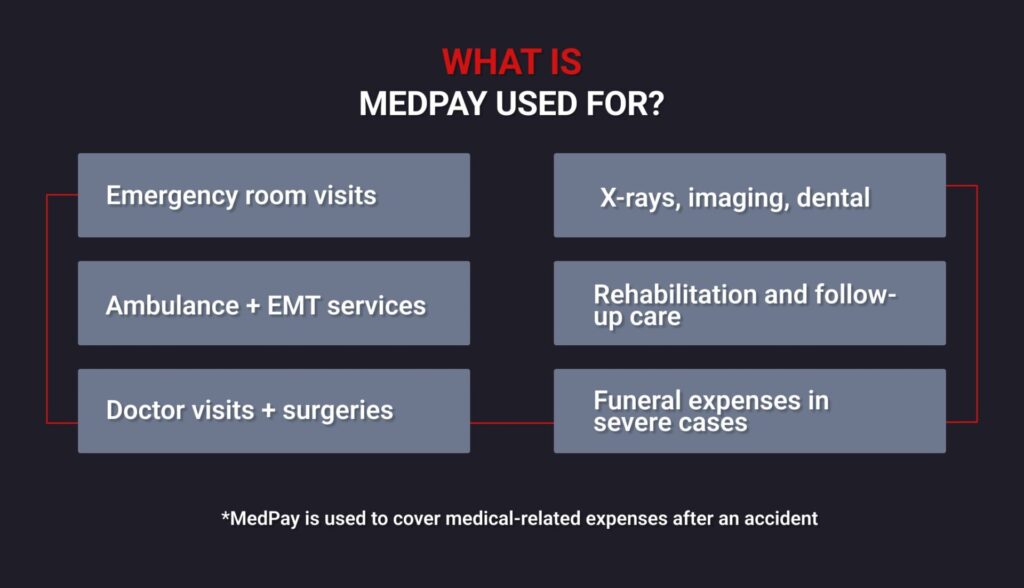
Many injured cyclists don’t realize their own auto policy may cover them while riding a bike. Depending on your policy language, MedPay can help with medical bills, and uninsured/underinsured motorist (UM/UIM) coverage may apply if the driver has no insurance or not enough. Tell your own insurer the crash happened, and let an attorney review the policy before you make detailed statements.
How a Bike Accident Claim Moves in Nevada
Once the first few days are behind you, most bike accident claims in Nevada follow the same general path:
- Treatment. You follow your doctor’s plan, and the records build.
- Documentation. Bills, lost pay, the police report, photos, and ride data are gathered.
- Claim opened. The driver’s insurer (and possibly yours) opens a file and investigates.
- Fault investigation. The insurer decides whom to blame, and this is where cyclist claims often get pushed back.
- Demand. Once your doctor says you’ve recovered as far as you’re going to, your attorney sends a demand covering your full losses.
- Negotiation. The insurer counters. Most claims settle here.
- Lawsuit, if needed. If the insurer won’t be fair, filing suit keeps the claim alive and adds pressure.
Every case is different, and yours may skip steps or take longer. But knowing the path helps you spot when something is off, like a settlement offer that shows up before step 5.
Why Insurers Treat Cyclist Claims Differently
Glen Howard spent years as an insurance defense attorney before he started representing injured people. He’s seen from the inside how adjusters approach bike claims. The playbook often includes questions like “Why were you in the lane?” or “Were you wearing dark clothing?”, or a focus on the helmet instead of the driver who turned left in front of you.
The law doesn’t back up that bias. Under Nevada law (NRS 484B.763), a person riding a bicycle on a roadway has all the rights and duties of a vehicle driver, with a few bike-specific exceptions. Drivers must also give cyclists room when passing, under the rule explained in our breakdown of the 3-foot passing rule. For a fuller picture of your rights on the road, see Nevada’s bicycle laws.
What If the Driver Says It Was Partly Your Fault?
Being partly at fault doesn’t automatically end your claim. Nevada uses modified comparative negligence: you can still recover as long as your share of fault isn’t greater than the defendants’ combined share, and your recovery is reduced by your percentage. If you’re found more at fault than the other side, you recover nothing, which is why insurers push hard on fault early.
Here’s how that plays out in real crashes: who’s at fault in a car-vs-bicycle crash.
Nevada Deadlines Every Injured Cyclist Should Know
Deadlines are where good claims quietly die. The key ones for Las Vegas bicycle accidents:
- Personal injury: generally two years from the crash to file a lawsuit (NRS 11.190).
- Property damage (your bike and gear): generally three years.
- Government claims: if a road defect, a broken signal, or a poorly designed bike lane played a role, claims against a government entity carry their own notice rules and damage caps. Talk to a lawyer early.
The legal deadline isn’t the one that should worry you most. Evidence disappears long before it: surveillance footage gets deleted, witnesses move, and bikes get repaired. Here’s more on the Nevada statute of limitations for personal injury.
Mistakes That Quietly Weaken a Bike Accident Claim
- Gaps in treatment. Skipping appointments or waiting weeks to see a doctor lets the insurer argue you weren’t really hurt.
- Posting rides during recovery. A Strava upload or an Instagram photo of you back on the bike, even for a short, easy spin, can be used to downplay your injuries. Pause posting until your claim is resolved.
- Settling too early. Fast offers often come before you know whether you’ll need surgery, physical therapy, or time off work. Once you sign, you can’t reopen the claim.
- Fixing or replacing the bike too soon. Document it thoroughly first.
- Giving a recorded statement to the driver’s insurer without advice.
When to Talk to a Las Vegas Bicycle Accident Attorney
Not every scrape needs a lawyer. It’s worth getting advice if:
- You were hurt badly enough to need ongoing treatment, imaging, or time off work
- The driver or their insurer is blaming you, even partially
- The driver fled, had no insurance, or didn’t have enough coverage
- A commercial vehicle, rideshare, or delivery driver hit you
- A road defect or broken signal contributed to the crash
A Las Vegas bicycle accident attorney can handle the insurance calls, preserve the evidence, and push back when the adjuster tries the “cyclist came out of nowhere” story. Howard Injury Law handles all types of motor vehicle accident cases in Las Vegas. Bike cases get particular attention because the bias against riders is so predictable.

Frequently Asked Questions
Do I Need a Police Report for a Bike Accident in Las Vegas?
You aren’t strictly required to have one to file an insurance claim, but it helps a great deal. A police report records the time, place, parties, witnesses, and often the officer’s observations about what happened. It’s usually the first document an insurance adjuster reviews. Las Vegas Metro doesn’t always respond to crashes with no injuries, so if you’re hurt, tell the 911 dispatcher a cyclist was injured. If police didn’t come to the scene, write down everything you remember while it’s fresh and keep all your photos and witness contacts. An attorney can help you get whatever official records exist after the fact.
Who Is at Fault If a Bicycle Hits a Car?
It depends on who broke a duty of care, not on which vehicle made contact. A cyclist who “hits” a car may still not be at fault. For example, if a driver pulled out of a driveway, turned left across the bike lane, or opened a car door into the rider’s path, the driver likely caused the crash even though the bike struck the car. Nevada applies the same rules of the road to cyclists and drivers, so investigators look at right-of-way, signals, speed, and visibility. If fault is shared, Nevada’s comparative negligence rule reduces a cyclist’s recovery by their percentage of fault, as long as it isn’t greater than the other side’s.
How Much Compensation Can I Get for a Bicycle Accident?
There’s no average figure that fits every bike case, and anyone quoting you a number before reviewing your records is guessing. What your claim is worth depends on your medical bills and future treatment, lost income, the severity and permanence of your injuries, the damage to your bike and gear, how clear the fault is, and the insurance available to pay. Cyclists often suffer more serious injuries than people in cars because they have no protection, which can mean larger claims, but also harder fights with insurers. The most useful thing you can do now is document everything and avoid settling before your doctor says you’ve recovered as far as you will.
Does My Car Insurance Cover Me If I’m Hit on My Bike?
Often, yes, but it depends on your policy. Many Nevada auto policies extend MedPay and uninsured/underinsured motorist (UM/UIM) coverage to you as a named insured even when you’re on a bicycle rather than in your car. That can matter a lot when the driver who hit you has minimum limits or no insurance at all. Coverage can also extend to household members, depending on the policy language. Because the details are in the fine print, have an attorney review your policy before you give detailed statements to your own carrier.
Can I Still File a Claim If I Wasn’t Wearing a Helmet?
Yes. Nevada has no statewide law requiring bicycle riders to wear a helmet, so riding without one isn’t a traffic violation and doesn’t bar your claim. That said, insurance companies sometimes argue a helmet would have reduced a head injury, and they may try to use that to shrink what they pay. The argument doesn’t change who caused the crash, and it usually has nothing to do with injuries like broken wrists, road rash, or knee damage. If an insurer brings up the helmet, get advice before accepting their framing.
How Long Does It Take to Recover From Bike Accident Injuries?
Recovery depends on the injury. Road rash and minor sprains may heal in a few weeks, while fractures, shoulder injuries, and concussions can take months, and some injuries leave lasting effects. For your claim, the key point is timing: don’t settle until your doctor says you’ve recovered as far as you’re going to. That’s when your full medical costs and any long-term limits are known. Settling earlier risks leaving future treatment unpaid, and in Nevada, once you sign a release you generally can’t go back for more.

You Had the Right to the Road. Make Sure the Insurer Knows It.
If a driver hit you and their insurer is already asking questions about your lane position or your helmet, that’s the other side building its case. Glen Howard used to build those cases for insurance companies. Now he uses that experience to take them apart for injured cyclists.
Not sure whether you have a case? That’s what the free review is for. Tell us what happened, and we’ll tell you honestly where you stand, what your deadlines are, and what to do next. There’s no fee unless we win.
Talk with a bike accident lawyer at Howard Injury Law or request your free case review today, before the evidence from your crash starts to disappear.