


Less than you think. That’s the honest answer — and it’s the one most people need to hear before they talk themselves out of making the call.
The most common reason people delay contacting a personal injury attorney in Las Vegas isn’t doubt about their case. It’s the feeling that they’re not prepared enough. They don’t have the police report yet. Their medical records aren’t organized. They can’t remember the other driver’s insurance information. So they wait — and while they wait, evidence disappears, deadlines approach, and the insurance company builds its position.
Knowing what information helps before calling an injury lawyer — and what genuinely doesn’t matter yet — removes that barrier. Here’s a practical breakdown of what to gather, what to remember, and what to stop worrying about.
What Actually Matters Before the Call
Your Account of What Happened
The most valuable thing you bring to a first conversation is your own memory of the event — while it’s still fresh. Dates, times, location, road conditions, what you were doing, what the other party did, what was said at the scene, and how you felt immediately afterward. Write it down before the call if that helps you organize your thoughts.
Attorneys work with imperfect recollections all the time. What helps most is a clear, honest account — not a polished legal narrative. Don’t try to frame the story in a way you think sounds better. Just tell it accurately. Gaps and uncertainties are normal. Your attorney works with those, not against them.
The Police or Incident Report
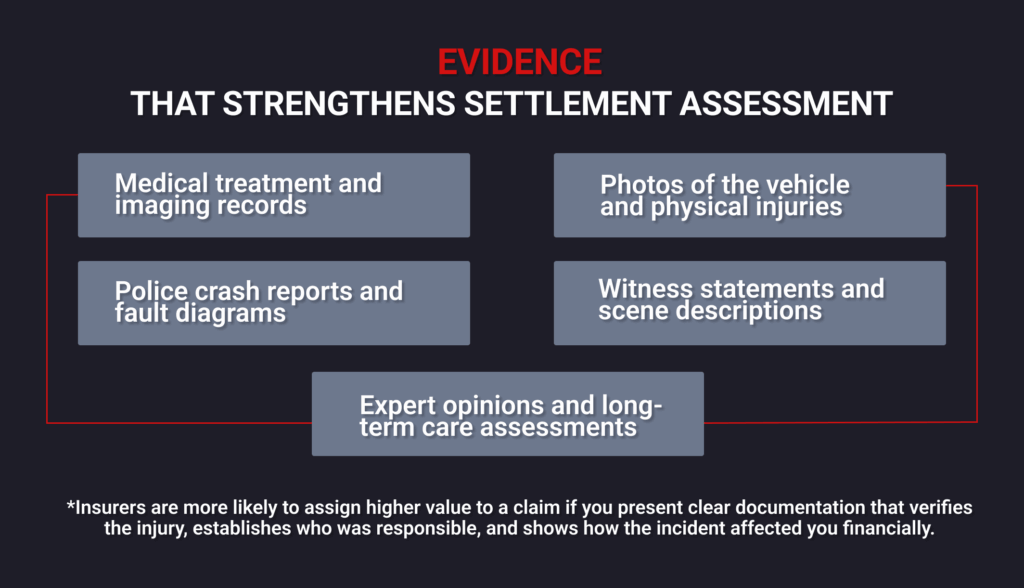
If law enforcement responded to your accident, a report was filed. That document records the officer’s observations, the parties involved, any citations issued, and preliminary fault assessments. It’s one of the most useful documents in the early stages of a claim.
You may not have it yet — and that’s fine. Your attorney can obtain it. But if you already have a copy or a report number, bring it to the conversation. Clark County accident reports are available through the Las Vegas Metropolitan Police Department, and having it early accelerates the initial evaluation.
If no police report was filed, note that. Your attorney needs to know what documentation exists and what needs to be built through other means.
Insurance Information for All Parties
Your own insurance policy information — carrier, policy number, coverage types — is useful context for the evaluation. What the other party’s insurance coverage looks like matters too, though you may only have partial information from the scene.
If you exchanged information at the accident, bring whatever you collected: the other driver’s name, their insurer, their policy number if you got it, and their contact details. Don’t worry if it’s incomplete. Your attorney can run additional research to identify coverage through other channels.
One thing worth knowing early: Nevada’s minimum auto insurance requirements are relatively low. Understanding what coverage actually exists — including your own uninsured and underinsured motorist coverage — is part of what gets assessed during the case review.
Medical Records and Bills You Already Have
Any documentation from medical treatment you’ve already received is useful context. Emergency room discharge paperwork, diagnosis summaries, treatment plans, specialist referrals, prescription records, and billing statements all help establish what the injury has already cost.
You don’t need a complete file. Whatever you have is a starting point. Your attorney requests the full records directly from providers as part of the investigation process. What matters most is that you’ve sought treatment — and that you continue seeking it consistently, without unexplained gaps that give the insurer room to argue your injuries resolved.
If you haven’t seen a doctor yet and you’re injured, do that before or immediately after the call. Prompt medical attention is the foundation of a strong causation argument.
What Helps — Even If You Don’t Have It Yet
Photos and Video
If you took photos at the scene — of the vehicles, the road conditions, any visible injuries, traffic signals, or the surrounding area — have those accessible. Visual evidence is valuable, particularly in the early stages before conditions change or vehicles are repaired.
If you didn’t take photos at the scene, that’s not fatal to your case. Your attorney can obtain traffic camera footage, request surveillance from nearby businesses, and use other means to reconstruct the scene. But the window for some of that evidence closes quickly. The sooner you’re represented, the faster preservation letters go out.
Witness Information
Names and contact details for anyone who saw the accident are worth having if you collected them. Bystander accounts carry weight because witnesses have no financial stake in the outcome. If witness information appears in the police report, that’s often sufficient for initial contact.
Don’t worry if you didn’t get witness information at the scene. It’s common. Your attorney works with what’s available and may be able to identify additional witnesses through the report or other documentation.
A Timeline of Your Recovery
A personal injury claim isn’t just about what happened at the scene. It’s about what happened after — how your injuries developed, how your daily life changed, what activities you couldn’t do, how much work you missed, and how your symptoms progressed through treatment.
Keeping a simple written log of your recovery — even informal notes on your phone — creates documentation that supports the non-economic side of your claim. Pain levels, sleep disruption, difficulty with normal activities, and emotional impact all factor into what a fair settlement should include. Formal documentation of this kind is rarely something people think to create early enough.
What You Don’t Need Before Calling
A Complete, Organized File
Personal injury attorneys — including Howard Injury Law — handle evidence gathering as part of representation. You are not expected to arrive with a perfectly organized binder. Glen Howard works with what you have and identifies what still needs to be collected. Waiting until everything is in order is one of the most common ways people delay past the point where it helps them.
Legal Knowledge or Terminology
You don’t need to know what negligence means, how comparative fault works, or what a release of liability says. That’s the attorney’s domain. What you need is the ability to describe what happened, what your injuries are, and where things currently stand with the insurance company. Everything else gets explained during the conversation.
Certainty About Whether You Have a Case
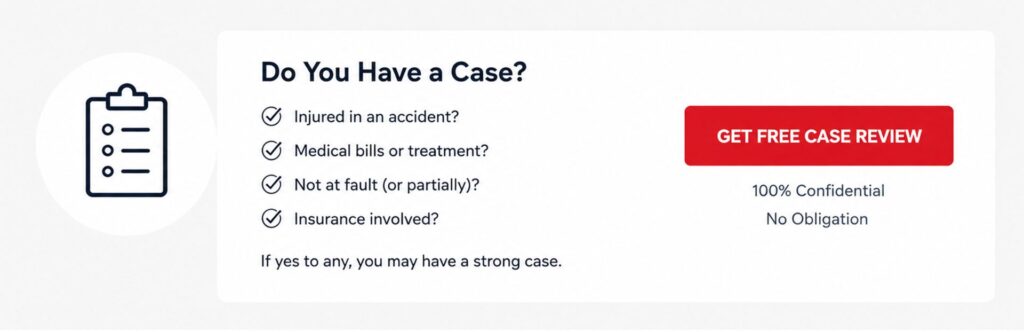
Uncertainty is the most common state people are in when they first call. They’re not sure if their injury is serious enough, if they were partly at fault, or if too much time has passed. Those questions are exactly what the case review addresses. Showing up with questions is not only acceptable — it’s expected.
Our post on how to know if your injury case is worth pursuing walks through the four factors that determine case viability if you want context before that call.
Questions Worth Asking During the Conversation
Who Will Actually Handle My Case?
At large volume firms, the attorney you speak with during the consultation is often not the attorney who handles your case day-to-day. Case managers, paralegals, and junior associates take over once you sign. The named partner may rarely be involved.
At Howard Injury Law, Glen Howard handles your case directly. That’s not a marketing claim — it’s reflected consistently in client feedback and is a deliberate choice about how the firm operates. Knowing who will actually be your point of contact matters when you’re choosing representation.
How Does the Contingency Fee Work?
Personal injury attorneys work on contingency — meaning no upfront fees and no payment unless your case results in a recovery. The fee is a percentage of the final settlement or verdict. Ask what that percentage is, how case expenses are handled, and what the disbursement process looks like at resolution.
Reputable firms explain this clearly before you sign anything. If a firm is vague about fee structure or pushes you to sign quickly without explaining the terms, that’s worth paying attention to.
What’s a Realistic Timeline for My Type of Case?
No attorney can promise a specific outcome or timeline. What they can give you is a realistic range based on comparable cases — how long similar claims typically take from retention to resolution, what factors extend that timeline, and what happens if negotiations break down and litigation becomes necessary.
Understanding the process upfront makes the waiting stages less stressful. Our post on what happens when you pursue a claim covers each stage in detail so you know what to expect from investigation through settlement or trial.
What to Do If You’ve Already Spoken to the Insurance Company
That Conversation Doesn’t End Your Options
Many people who call after speaking with an adjuster worry that something they said damaged their case. Early statements do create complications — but they rarely close a case entirely. What matters is stopping direct communication with the insurer immediately and letting an attorney assess what was said and how to address it going forward.
If you’ve already received a settlement offer, don’t respond to it before speaking with an attorney. An offer on the table is important context for the case review. Whether it reflects the actual value of your claim — and what responding to it means for your options — is exactly the kind of question that conversation is designed to answer.
Our post on can I still file a claim if I already talked to the insurance company addresses the most common concerns about early insurance contact in detail. And if you want to understand what the adjuster was doing during that call, our post on what the insurance adjuster actually does with your claim covers the full picture.

Frequently Asked Questions
Do I need to bring anything physical to the consultation?
Howard Injury Law handles case reviews by phone or in person — whatever works for your situation. For a phone consultation, having your notes, any documents you reference, and your account of the accident accessible is sufficient. Nothing needs to be physically delivered before the conversation happens.
What if I don’t remember all the details of the accident?
That’s normal. Accidents are traumatic and memory under stress is imperfect. Share what you remember accurately, note where you’re uncertain, and let your attorney work with that foundation. Trying to fill gaps with guesses creates more problems than acknowledging them.
What if I haven’t been to a doctor yet?
Go before or immediately after the call. Prompt medical attention is one of the most important steps you can take — for your health and for your claim. Gaps between the accident and your first medical visit give insurance companies room to argue your injuries weren’t serious or weren’t caused by the accident. The sooner treatment is documented, the stronger the causation argument.
Should I tell the attorney everything, even things that might hurt my case?
Yes. Your attorney needs the complete picture to represent you effectively. Information that seems damaging in isolation — partial fault, prior injuries, gaps in treatment — is manageable when your attorney knows about it upfront. Surprises mid-case are far more damaging than difficult facts shared early.
You’re More Ready Than You Think
The bar for making this call is lower than most people assume. A basic account of what happened, whatever documentation you currently have, and honest answers to Glen’s questions — that’s enough to start. Everything else gets built from there.
Waiting for perfect preparation is just waiting. Evidence ages. The statute of limitations runs. The insurance company keeps working.
One call changes what happens next — and it costs you nothing to make it. Request your free case review at Howard Injury Law today. Glen Howard is available 24/7, reviews every case personally, and gives you straight answers about where you stand and what your options are.