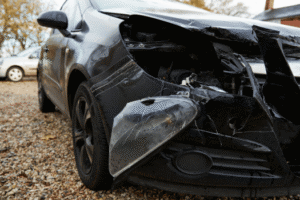


If you’ve just been hit by a drunk driver in Las Vegas, the next few hours shape everything that follows: your health, the police case and your injury claim. What to do after being hit by a drunk driver depends on one question: did the driver stay, or did they take off?
Both situations are common here. Impaired drivers flee because they know every minute away from the scene helps them. That doesn’t have to hurt you. It does mean the evidence needs to be locked down faster, and you need to understand what happens when police finally catch up with them.
What to Do After Being Hit by a Drunk Driver: The First Hour
Your safety comes first. If you can move and it’s safe, get out of traffic and turn on your hazards. Then work through these steps.
- Call 911 and say you think the driver is impaired. Don’t just report a crash. Tell the dispatcher what you saw: the smell of alcohol, slurred speech, weaving before impact, trouble standing. That gets an officer thinking DUI from the start, which can mean a breath or blood test while the evidence still exists.
- Get medical care, even if you feel fine. Adrenaline hides injuries. Head, neck and back injuries often show up hours or days later. A same-day record at UMC, Sunrise or an urgent care also ties your injuries to the crash.
- Write down what you noticed about the driver. Do it now, on your phone, before memory fades. Note open containers, what they said, how they acted and whether anyone else was in the car.
- Photograph everything. Get both vehicles, the plate, the intersection, skid marks and your injuries.
- Get witness names and numbers. Other drivers and pedestrians often saw the driving before the crash. That testimony matters later.
- Don’t give a statement to the other driver’s insurance company. Their adjuster’s job is to pay you as little as possible. A recorded statement given while you’re hurting and rattled can be used against you.
If the Drunk Driver Drove Away
A hit-and-run by an impaired driver feels like a second injury. Someone hurt you and then decided they didn’t have to answer for it. But drivers who flee in Las Vegas get identified more often than people expect, and your claim doesn’t end if they’re never found.
What to Capture in the First Few Minutes
Anything you can remember about the fleeing car helps police and your attorney track it down:
- All or part of the plate, even two or three characters
- Make, model, color and any damage the crash likely left on their car
- Direction of travel, such as “north on Decatur toward Sahara”
- The exact time and location, which lets investigators pull traffic, business and casino camera footage before it’s recorded over
Las Vegas has cameras nearly everywhere: at Strip resorts, gas stations and major intersections like Tropicana and I-15. A good description plus a quick evidence request is often how a fleeing driver is found. An experienced lawyer can often find a hit-and-run driver even after the police investigation goes quiet.
Report It Right Away: Your Own Insurance Depends on It
If the driver is never identified, your recovery usually comes from your own uninsured motorist (UM) coverage. Nevada ties that coverage to two things: actual physical contact between the vehicles, and a prompt report to police. A delayed report gives the insurance company a reason to deny the claim, so call it in from the scene.
For the full breakdown of who pays when the driver disappears or has no insurance, read what happens if the drunk driver was uninsured or fled. A Las Vegas hit-and-run accident lawyer can make sure the UM claim is set up correctly from day one.
What Fleeing Does to the DUI Evidence
This is the part most people don’t know, and it’s why impaired drivers run.
Blood alcohol drops steadily every hour after the last drink. Nevada’s 0.08 rule works off a breath or blood test taken within two hours of driving. A driver who disappears for three, six or twelve hours may test well under the limit, or not be tested at all.
It gets worse. Nevada law gives drivers a defense if they can show they drank enough after driving to explain the result. That’s why “I got home and had a few drinks to calm my nerves” is a real tactic, not a coincidence.
Fleeing doesn’t erase what happened. It changes how it has to be proven.
What Happens Once a Hit-and-Run Drunk Driver Is Caught
An arrest is a relief. It also raises new questions, especially when the charges don’t look like what you expected.
The Charges They Can Face
Leaving the scene of a crash that injures or kills someone is a category B felony in Nevada. It carries 2 to 20 years in prison and cannot be resolved with probation. This charge stands on its own, whether or not the driver was drunk.
If prosecutors can prove impairment, a DUI that causes death or substantial bodily harm is also a category B felony with the same 2 to 20 year range. For how the leaving-the-scene statute works, see our guide to Nevada hit-and-run laws.
Why the DUI Charge Sometimes Disappears
Many victims are stunned to see the driver charged with hit-and-run but not DUI. It usually isn’t because nobody believes the driver was drunk. It’s because the chemical test is late, missing or disputed, and prosecutors have to prove the DUI beyond a reasonable doubt.
Sometimes the DUI charge is dropped in a plea deal in exchange for a guilty plea on the hit-and-run. That’s the prosecutor’s call, not yours.
Your Rights in the Criminal Case
Under Nevada’s Marsy’s Law, crime victims have constitutional rights. You can:
- Get notice of court hearings and be present
- Be heard at sentencing and release hearings
- Confer with the prosecutor about the case
- Receive restitution
Restitution has limits. It typically covers out-of-pocket losses, not your pain, suffering or future care, and it’s only worth what the defendant can actually pay. The criminal case punishes the driver; it doesn’t compensate you. Here’s how the two tracks work side by side: criminal case vs. civil claim after a DUI crash.
When the DUI Charge Falls Apart Because They Ran
Here’s the good news: your injury claim doesn’t depend on the DUI charge. A civil case uses a lower standard of proof. You show it’s more likely than not that the driver was impaired, not that it’s proven beyond a reasonable doubt.
That opens the door to evidence that never needed a breath test:
- Bar and casino tabs, including players club records that show when and where drinks were bought
- Surveillance video of the driver drinking, or unsteady walking to the parking garage
- 911 calls from other drivers reporting erratic driving before the crash
- Witnesses who saw them drinking or heard slurred speech
- The flight itself, alongside everything else in the timeline
You can sue a drunk driver who wasn’t convicted, and many cases are built that way.
This matters beyond fault. Nevada allows punitive damages against a driver who caused an injury while impaired, after choosing to drink knowing they would drive. No criminal conviction is required, and the usual cap on punitive damages doesn’t apply. Here’s how that works: punitive damages in Nevada DUI cases.
The catch is timing. Surveillance footage gets recorded over in days, not months. See the evidence that wins a DUI injury claim and why the first days decide so much.
Why It Helps to Have a Former Insurance Defense Attorney on Your Side
Once the DUI charge is gone, the driver’s insurance company will lean on it. The adjuster’s script is predictable: “There’s no DUI conviction and no valid blood test, so there’s no basis for punitive damages.”
Glen Howard spent years working on the insurance side of these cases. He knows that argument from the inside, and he knows how to take it apart with tabs, footage, witnesses and a timeline that leaves no room for “I only drank after I got home.”
Every case is different, and nothing here replaces advice on your specific facts. If a drunk driver hit you, and especially if they ran, talk to a Las Vegas drunk driving accident attorney before the evidence disappears and before you talk to their insurer.

Frequently Asked Questions
Can a hit-and-run driver be charged with DUI after they’re caught?
Yes, but it’s harder. Prosecutors can still file DUI charges based on witness accounts, video and the driver’s condition when found, even without a timely breath or blood test. Nevada’s 0.08 rule depends on a test within two hours of driving, and drivers who flee often avoid that window. They may also claim they drank after the crash. As a result, some drivers are charged only with leaving the scene, which is a serious felony on its own. Whatever happens with the DUI charge, your civil injury claim can still show the driver was impaired using a lower standard of proof.
What happens to my claim if the hit-and-run driver is found later?
Your claim usually gets stronger. If you started with your own uninsured motorist coverage, finding the driver means their liability insurance becomes the main source of payment, with your UM or underinsured coverage filling any gap. It also means a defendant who can face punitive damages if the evidence shows they drove impaired. Your attorney will coordinate the claims so nothing is paid twice or missed. Let your lawyer know the moment police tell you a driver was identified.
Do I need a police report if the drunk driver drove away?
Yes, and quickly. When the at-fault driver can’t be identified, Nevada ties uninsured motorist coverage to physical contact and a prompt report to police. A delay gives your insurer grounds to deny the claim. A police report also starts the search for the driver and puts the camera footage request in motion. Call 911 from the scene if you can. If you couldn’t, because you were taken to the hospital, report it as soon as you’re able.
Can I sue the bar or casino that served the drunk driver?
Usually not. Nevada generally protects licensed bars, casinos, restaurants and liquor stores from civil liability for serving an adult 21 or older, even if they overserved. The narrow exception involves knowingly serving minors, and it doesn’t reach licensed businesses. That doesn’t weaken your case. The casino’s tab and surveillance footage can still be powerful evidence that the driver was drunk. More here: can you sue a bar or casino for overserving in Nevada.

Talk to Glen About What Happened
You shouldn’t have to fight the driver’s insurer while you’re healing, and you shouldn’t have to wait for the criminal case to protect your claim. Nevada gives you two years to file an injury lawsuit, but the evidence that proves a fleeing driver was drunk can be gone in days.
A free consultation will tell you where your case stands: who can pay, what the evidence looks like and whether punitive damages are on the table. There’s no fee unless we win.
Start your free case review or call (702) 331-5722. Se habla español.