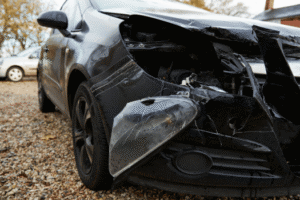


The other driver hit you and drove off, and now you’re on the side of the road with a damaged car, maybe an injury, and no one to hold responsible. Here is what to do after a hit and run in Las Vegas, in order, so a driver who fled doesn’t cost you your claim.
The short version: a hit and run is not a dead end. Nevada drivers can often recover through their own uninsured motorist (UM) coverage, even if police never find the driver. But that coverage has conditions, and what you do in the first hours and days decides whether you meet them.
What to Do After a Hit and Run: At the Scene
Get Safe, and Don’t Chase the Driver
If your car can move and it’s safe, pull out of traffic. On I-15, US-95 or the 215 Beltway, that usually means the shoulder with your hazards on. If you can’t move, stay buckled in and wait for help.
Don’t follow the driver who fled. A chase puts you at risk of a second crash, and it can make you look partly at fault. It can also take you away from the scene you need to report. Stay where you are unless staying is dangerous.
Call 911 From the Scene
Call 911 even if the crash seems minor. A driver who flees is committing a crime, so you are reporting a crime, not just a fender-bender. Tell the dispatcher that the other driver left and which way they went.
Depending on where you were hit, one of these agencies responds:
- The Las Vegas Metropolitan Police Department (LVMPD) for Las Vegas and unincorporated Clark County, including the Strip
- Henderson or North Las Vegas police inside those cities
- The Nevada Highway Patrol (NHP) on the freeways
Write Down Everything About the Car While It’s Fresh
Details fade fast after a crash. Write down or voice-record anything you noticed, even if it seems too small to matter:
- License plate, even partial, and the state
- Make, model and color
- Damage, dents, stickers or roof racks
- The driver’s appearance
- The direction the car went, and the street it turned onto
A partial plate combined with a color and a damaged fender is often enough for police to narrow the search.
Photograph the Point of Contact
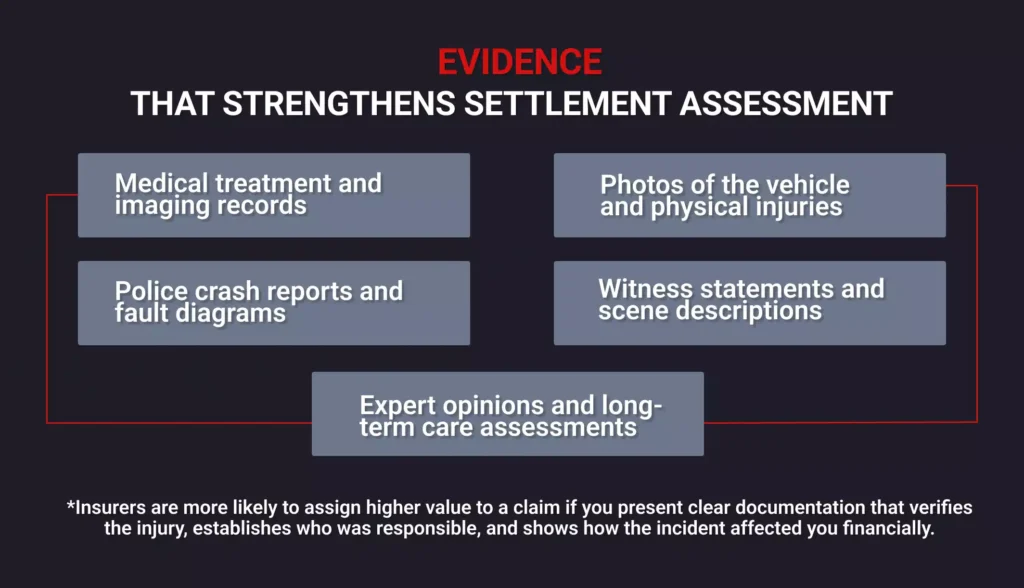
Take pictures of your car from several angles: close-ups of the damage, paint transfer, broken pieces of the other car on the road, and the whole scene. Photograph any visible injuries too.
These photos do more than show damage. Under Nevada’s UM statute, a claim involving an unknown driver generally requires physical contact between the vehicles. Paint transfer and debris are strong proof that contact happened.
Find Witnesses and Cameras
Ask anyone who stopped for their name and phone number. Then look around for cameras: casino and resort entrances, gas stations, convenience stores, doorbell cameras, traffic cameras at big intersections, and other drivers’ dashcams.
Much of that footage is overwritten within days. Note every camera you see and where it points, so you or your attorney can request the footage before it’s gone.

How to Report a Hit and Run in Las Vegas (and Why It Can’t Wait)
The police report is the most important document in a hit-and-run claim. Under NRS 690B.020, a UM claim involving an unknown driver requires the crash to be reported to the proper law enforcement agency within the time Nevada’s crash-reporting statutes require. That means city police, the county sheriff (LVMPD in Clark County) or NHP. In practice: report it right away, before you leave the scene if you can.
If police don’t come to the scene, which happens with some non-injury crashes in Las Vegas, you still need to make the report yourself. Our step-by-step guide to reporting a hit and run in Las Vegas covers who to contact, what information to have ready, and how to get a copy of the report.
Two things to keep straight:
- Get the report or event number before you leave, and keep it with your photos.
- A police report and a DMV report are two different things. Nevada may separately require you to file a DMV crash report (the SR-1) within 10 days if someone was hurt or the damage is $750 or more. The exception is when police investigated at the scene and their report includes the required insurance information. Filing an SR-1 does not replace the police report your UM claim depends on.
If you’re not sure you reported in time, read about the reporting deadline that protects your UM claim and talk to an attorney before you assume the claim is lost.
The First 72 Hours After a Hit and Run
See a Doctor, Even If You Feel Fine
Adrenaline hides pain. Whiplash, concussions and back injuries often show up a day or two later. Go to urgent care, the ER or your own doctor within a day or two, and tell them you were in a crash.
This protects your health first. It also protects your claim, because insurers look for gaps between the crash and your first treatment and use them to argue your injuries came from something else.
Notify Your Insurer, but Stick to the Facts
Your policy almost certainly requires you to report the crash promptly, so do. Give the date, time, location, police report number, and the fact that the driver fled.
Don’t give a recorded statement or guess about your injuries yet. If the adjuster pushes for a statement, you can say you’ll call back after you’ve spoken with an attorney. Your policy may require you to cooperate, so don’t refuse outright; just pause until you have advice.
Hold Off on Repairs Until the Damage Is Documented
Once your car is repaired, the physical evidence of contact is gone. Before any bodywork, make sure the damage is photographed thoroughly and your insurer’s appraiser has inspected it. If your case is serious, your attorney may want an independent inspection too.
Your Own Insurance Company Is Now the Other Side
Most drivers don’t expect this part. With a normal crash, you file against the at-fault driver’s insurance. After a hit and run with no driver identified, your claim usually runs through how UM coverage pays after a hit-and-run. That means your own insurance company becomes the party you’re negotiating with.
Paying you less is still their business. Adjusters may question whether contact really happened, whether you reported in time, or whether you were partly at fault. Under Nevada’s comparative negligence rule, any share of fault they can assign to you reduces what you recover.
Glen Howard spent years as an insurance defense attorney before he started representing injured people. He knows the playbook adjusters use to discount UM claims, because he used to work on that side of the table. As your Las Vegas hit-and-run claim moves forward, that experience is on your side.
If police later identify the driver, the claim can expand to include that driver’s insurance as well. Nevada’s criminal penalties for fleeing are covered in our explainer on Nevada’s hit-and-run laws. Your civil claim does not depend on anyone being charged.
Mistakes That Sink Hit-and-Run Claims
- Leaving the scene without calling police
- Waiting days to report because “they’ll never find the driver anyway”
- Skipping the doctor because you feel “just sore”
- Repairing the car before the damage is documented
- Giving your insurer a recorded statement before getting advice
- Posting about the crash or your injuries on social media
- Accepting a quick settlement before you know how badly you’re hurt

Frequently Asked Questions
Should I chase a hit-and-run driver?
No. Following a fleeing driver puts you, your passengers and everyone else on the road at risk, and a second crash can complicate your claim or shift fault toward you. You can also end up confronting someone who already showed they’ll break the law to get away. The better move is to stay at the scene, call 911, and record everything you saw about the car and which way it went. Police can use that information along with camera footage and witness accounts. A partial plate and a good description do more for your case than a chase down Tropicana or Flamingo.
Do I have to report a hit and run if no one was hurt?
You should, even for property damage only. First, leaving the scene of a crash is a crime in Nevada, and the police report creates an official record that another driver hit you and fled. Second, if you later find out you were hurt, or you want your own coverage to pay, the police report is the foundation of that claim. Nevada’s unknown-driver UM rules depend on the crash having been reported to law enforcement on time. Separately, a DMV SR-1 may be required within 10 days if damage is $750 or more. If you’re unsure which reports apply to your crash, a Las Vegas attorney can sort it out quickly.
Will my insurance cover a hit and run in Nevada?
Often, yes, depending on what coverage you have. Uninsured motorist (UM) coverage can pay for injuries caused by an unidentified driver, as long as there was physical contact and the crash was reported to police on time. Collision coverage usually pays for damage to your car, minus your deductible. Medical payments coverage (MedPay), if you carry it, can help with early medical bills regardless of fault. Nevada insurers must offer UM, but drivers can decline it, so check your declarations page. If you don’t carry it, you may still have options; see what happens if you don’t have UM coverage. Every policy is different, so have an attorney review yours.
What if I didn’t see the license plate?
You can still have a claim. Many hit-and-run claims are paid through UM coverage with the driver never identified, as long as the contact and the police report are documented. Tell police everything you do remember: color, make, damage, direction of travel, even a single plate character. Then act fast on surveillance footage, because nearby businesses, resorts and homes often record over it within days. A traffic camera or a neighbor’s doorbell camera may have caught what you missed. An attorney can send preservation requests right away. If you were hit as a pedestrian, your coverage options work a little differently, so read that guide as well.

Talk to a Las Vegas Hit-and-Run Attorney Before Your Insurer Calls Back
If you’re still wondering whether you even have a case because the driver is gone, that’s exactly the question to ask us. A free case review can tell you what coverage applies, whether your report and evidence meet Nevada’s requirements, and what your claim may be worth. That’s worth knowing before you give your insurer a recorded statement.
Glen Howard is a Nevada-licensed hit-and-run accident lawyer in Las Vegas and a former insurance defense attorney. He handles these claims on contingency: you pay no fee unless we win. As a motor vehicle accident attorney, he has handled every type of Las Vegas crash, from Strip rideshare collisions to freeway pileups.
Nevada generally gives you two years from the crash to file an injury lawsuit, but your insurance policy may set shorter notice deadlines, and evidence disappears much sooner than that. Call (702) 331-5722 or request your free case review today, and we’ll start preserving the footage and records your claim needs.
This article provides general information about Nevada law and is not legal advice. Every case is different; talk to an attorney about your specific situation.