The most common cause: a driver who turned left across your lane, changed lanes into you, followed too closely, or was distracted or impaired. The "I never even saw the motorcycle" left-turn collision is the classic Las Vegas rider crash.

Las Vegas Personal Injury Lawyer
Insurers count on one assumption after a motorcycle crash — that the rider was speeding, splitting lanes, or somehow asking for it. We dismantle that bias, put fault on the driver who didn't look twice, and you pay nothing unless we win.






If another driver caused your motorcycle crash, Nevada law gives you the right to recover money for your medical bills, lost income, and pain and suffering — even when the insurance company is already telling you the wreck was your own fault.
That accusation is the whole game. Insurers know juries tend to assume motorcyclists were speeding, weaving, or riding recklessly, so they weaponize your gear, your speed, and your lane position to shrink or deny what you're owed. Nevada's comparative negligence rule (NRS 41.141) still lets you recover as long as you were not more than 50% at fault — and our job is to prove the driver who hit you is the one who failed to look.
$80M+
Recoveredfor Nevada injury victims
20+
Yearshandling Nevada accident cases
1,000+
Clientsrepresented across Las Vegas
$0
No Win, No Feezero upfront cost to you
In most Las Vegas motorcycle crashes, the driver who hit you is liable — but they're rarely the only party who can be held responsible. Nevada law lets you pursue everyone whose negligence contributed to the wreck, and identifying every one of them is often the difference between a policy that barely covers your medical bills and full accountability for what happened to you.
The most common cause: a driver who turned left across your lane, changed lanes into you, followed too closely, or was distracted or impaired. The "I never even saw the motorcycle" left-turn collision is the classic Las Vegas rider crash.
In a multi-vehicle chain reaction, fault can be shared across two or more drivers. Nevada's comparative fault system splits responsibility by percentage — so more than one insurance policy may be on the hook for your recovery.
If the driver who hit you was working at the time — making deliveries, driving for an app, or operating a commercial vehicle — their employer's insurance may also be responsible, which usually means far more coverage than a personal policy.
When a crash is caused by a dangerous road, a missing or malfunctioning signal, or an unrepaired hazard on a road maintained by the City of Las Vegas, Clark County, or NDOT, a public entity can share liability. These claims carry their own strict, shortened deadlines — so they can't wait.
When a defective tire, brake, or component caused the crash or made your injuries worse, the manufacturer — not just the other driver — can be held accountable.
Riders face the highest risk on Las Vegas's fastest, busiest corridors — Las Vegas Boulevard (the Strip), Boulder Highway, Sahara Avenue, Flamingo Road, and the I-15 / US-95 "Spaghetti Bowl" interchange — where left-turning drivers, resort-driveway traffic, and sudden lane changes create the exact conditions that put motorcyclists on the ground. Where and how your crash happened shapes who's liable, and no two intersections in this city carry the same risk.
No matter how clear the other driver's fault is, expect the insurance company to try to shift the blame onto you — claiming you were speeding, splitting lanes, or riding recklessly. Pinning liability where it actually belongs is the core of what this page, and this firm, does.
Insurance companies fight motorcycle claims by starting from the assumption that the rider was at fault — then building the file to prove it. Before they've reviewed a single piece of evidence, the adjuster is already looking for a reason to shift blame onto you, because every percentage point of fault they pin on the rider is money they don't have to pay. Knowing the playbook is how you beat it.
Expect them to argue your helmet, your jacket, or your visibility "contributed" to your injuries — or that not wearing something made everything worse. It's an attempt to move the conversation off the driver who hit you and onto what you were wearing.
Adjusters routinely assume a motorcyclist "must have been" speeding, often with no evidence at all. The stereotype does the work for them — unless someone forces them to prove it with actual data.
They'll claim you were weaving, splitting lanes, or riding somewhere you shouldn't have been — reframing a legal, defensive riding decision as reckless so the fault shifts to you.
The most powerful tool they have isn't in the police report — it's the cultural assumption that everyone on a motorcycle is a risk-taker. Adjusters and juries carry that bias in the door, and insurers count on it.
Here's how we dismantle it: We rebuild the record the insurer is trying to skip past — scene evidence, vehicle and roadway data, independent witnesses, and accident reconstruction when it's needed — so fault lands where it actually belongs. The goal is simple: replace the assumption that "the rider was reckless" with the facts of what the driver did.
This fight isn't a side issue — under Nevada's comparative negligence rule, every percentage of blame shifted onto you directly shrinks what you can recover. Refusing to let the insurance company write that story is the core of how we protect your claim.
“A motorcycle crash is never just a fender-bender. When a car hits a rider, there’s nothing between you and the pavement — and the injuries can change your life in an instant.
While you’re fighting to recover, the insurance company is already working to pin the blame on you. We take that fight off your shoulders — the calls, the records, the finger-pointing — so you can focus on healing while we hold the driver who hit you accountable.”
We prove liability by rebuilding the crash from physical evidence — not the insurance company's assumptions. Instead of arguing over what "probably" happened, we replace the "reckless rider" story with a documented record of what the driver actually did. Here's how that gets built.
Skid marks fade, vehicles get repaired, and traffic, resort, and doorbell camera footage is often erased within days. We move fast to lock down the physical evidence and video that show exactly how the crash unfolded.
Modern vehicles record speed, braking, and steering in an event data recorder — the "black box." Combined with phone records that reveal distraction, signal-timing data, and roadway maintenance records, this is the hard evidence that defeats a guess.
Neutral third parties who saw the crash are one of the strongest tools against rider bias — but memories fade and insurers reach them first. We secure their accounts early, on the record, while the details are still clear.
When liability is contested, accident reconstruction experts translate the physical evidence and data into a clear, provable picture of fault — one an adjuster or a jury can't wave away with a stereotype.
Every fact we prove is a percentage of blame the insurance company can't shift onto you. Under Nevada's comparative negligence rule, that's not just about winning the argument — it's about protecting every dollar of what you're owed.

The steps you take in the first hours and days protect both your health and your claim — especially when the insurance company is already building a case that the crash was your fault.
Don't wait to act. In most cases, Nevada gives you two years from the date of a motorcycle crash to file an injury claim (NRS 11.190(4)(e)) — but the evidence that proves fault disappears in days, not years. Your motorcycle case is one of many types of crashes we handle; see how it fits the bigger picture on our Motor Vehicle Accident Lawyer Las Vegas hub.
In most cases, yes. Nevada requires all riders to wear a DOT-approved helmet under NRS 486.231, but not wearing one does not make you at fault for the crash and does not automatically bar your claim. Under Nevada's comparative negligence rule (NRS 41.141), an insurer can only argue that going without a helmet made head or brain injuries worse — it cannot reduce your recovery for other injuries like broken bones, road rash, or internal trauma. You can still recover as long as you were not more than 50% at fault for your injuries.
In most Las Vegas motorcycle crashes, the driver who hit the rider is at fault — often a driver who turned left across the rider's path or changed lanes without seeing the motorcycle. Nevada uses a modified comparative negligence system (NRS 41.141), so more than one party can share fault, and you can recover as long as you are 50% or less responsible, with your recovery reduced by your share. Because insurers routinely try to shift blame onto the rider, fault is frequently contested and worth fighting.
An accusation from the insurance company is not a legal ruling. Under Nevada's comparative negligence law (NRS 41.141), you can still recover as long as you are not more than 50% at fault, with any recovery reduced by your percentage of blame. Insurers lean heavily on the "reckless rider" stereotype, so we counter it with scene evidence, vehicle black-box and phone data, independent witnesses, and accident reconstruction to keep fault where it belongs.
In most cases, you have two years from the date of the crash to file a personal injury claim in Nevada (NRS 11.190(4)(e)). If a government entity may share responsibility — for example, a dangerous road or a malfunctioning signal — a much shorter notice deadline can apply. Missing the deadline can permanently end your right to recover, so it is important to confirm which deadline applies as early as possible.
Proving a motorcycle claim relies on evidence such as the police crash report, photos and video from the scene, vehicle event data recorder ("black box") information, traffic and surveillance camera footage, phone records that show driver distraction, and witness statements — with accident reconstruction experts when fault is disputed. Much of this evidence disappears within days, so preserving it quickly is critical to defeating the insurer's version of events.
You are not required to hire a lawyer, but the insurance company will have attorneys and adjusters working to reduce what you recover. Howard Injury Law handles motorcycle accident cases on a contingency basis — there are no upfront costs, and you pay nothing unless we win your case. A consultation is free and carries no obligation.
Have a different question? Browse our full Q&A library →
Injured in a Las Vegas Motorcycle Crash? Let's Talk.
Don't let the insurance company decide what your recovery is worth. Talk to Howard Injury Law free, 24/7 — no fee unless we win.
I had a great experience with Howard Injury Law. Anytime I had questions, they were always there with an answer ready to help. They were super attentive towards me. I'm very grateful I went to them after my car accident.
Car AccidentHighly recommend. I worked with James and Vanessa. They both are very nice and patient if or when you have a million and one questions. They make sure you are updated and not wondering where you stand.
Personal InjuryI can't say enough great things about Howard Injury Law. From start to finish, Glenn Howard and his amazing team James and Natalie were there every step of the way. They made a stressful situation feel manageable ... read more
Injury CaseI would like to thank Glen Howard and James for taking such great care of me during my case. They're knowledgeable, professional, and genuinely caring. My family and I are truly grateful for the outcome they achieved.
Injury CaseThis team was amazing. They took care of everything I needed with my personal injury and made it so easy for me. I never felt alone during the process. I would highly recommend Howard Injury Law to anyone.
Personal InjuryI had a really bad accident in March 2023 and was referred to this amazing team. This being a new experience, Howard Injury Law walked me through every single step. They truly fought for me and got me more than I expected.
Car AccidentStraight answers to what you're facing as an injured rider — so you understand your options before you decide anything.
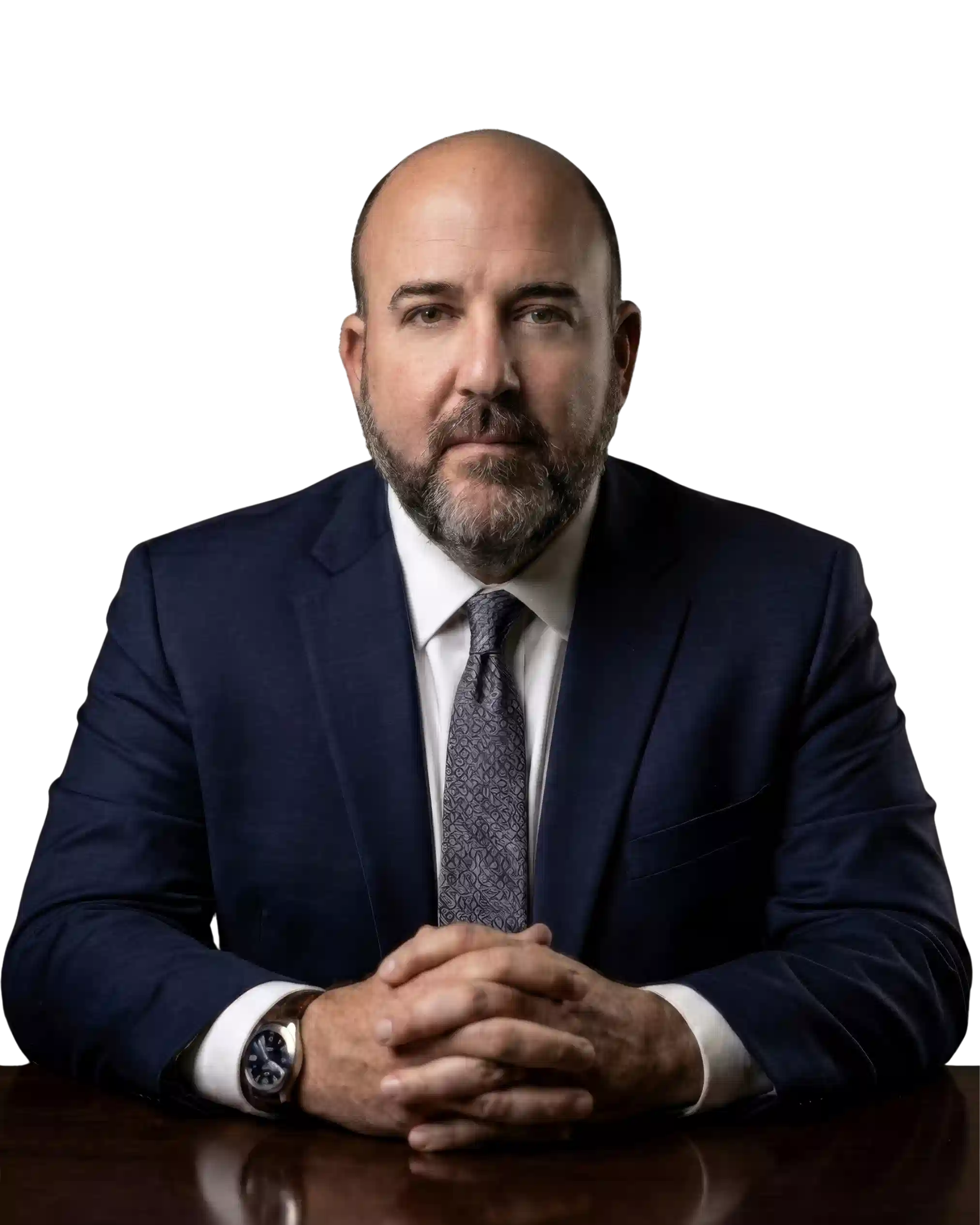
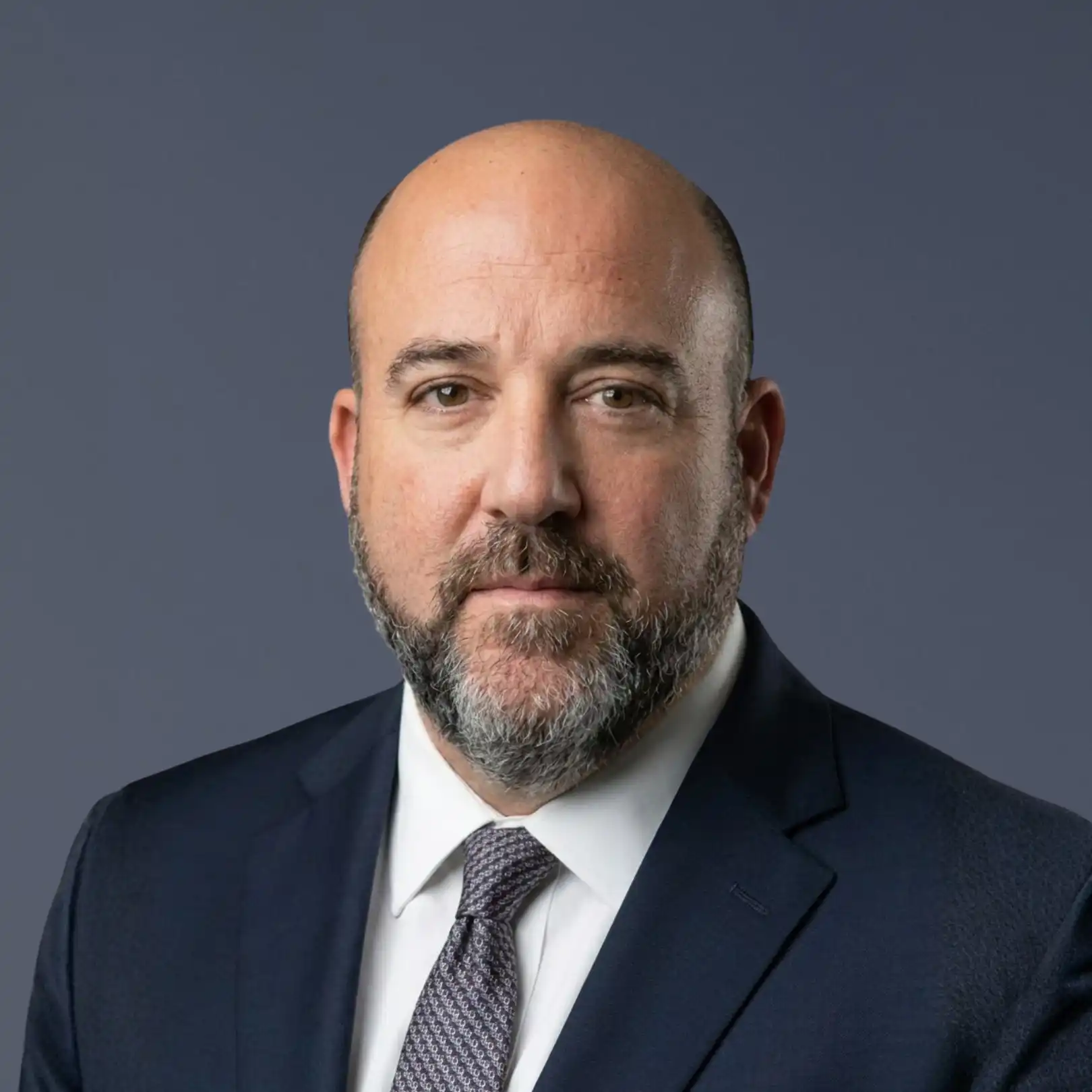
Founding attorney Glen Howard has spent his career standing beside Las Vegas riders and families after serious crashes turned their lives upside down — and that's shaped the compassion he brings to every case. He and his team understand that a serious motorcycle crash isn't a case file; it's a life-changing event for you and the people who love you, and it's treated that way here. He has recovered more than $80 million for injury victims and their families, and you'll work directly with Glen and a dedicated case manager who handle you with care and respect — not a rotating cast of paralegals.
Read Glen's full storyYou never expected to be here. No one is supposed to know how to fight an insurance company, preserve evidence, or navigate Nevada injury law while recovering from a serious crash.
That's what we do.
Howard Injury Law is available 24/7. The consultation is free and confidential. You pay nothing unless we recover for you. And because Nevada sets a deadline to act, reaching out sooner keeps more of your options open. However you found us — searching for a motorcycle accident lawyer in Las Vegas, or referred by someone who trusted us with their case — we're ready when you are, and there's no pressure to decide anything today.
If you're unsure what to do after a crash — or want to help protect the people you love — HIL Helps is our free 24/7 community resource, open to everyone, not just clients.
#HILHelps — A Free Vegas Community Resource
Howard Injury Law
6330 Spring Mountain Rd Ste D, Las Vegas, NV 89146