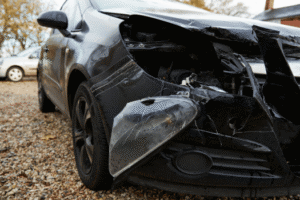


Some hit-and-run drivers in Las Vegas do get caught. Most of the ones involved in minor crashes don’t. How hit-and-run drivers get caught in Las Vegas comes down to two things: how badly someone was hurt, and how much evidence exists in the first few days. If you’re waiting for a call from a detective that hasn’t come, here’s how the process really works, what actually leads police to a driver, and what you can do right now so your recovery doesn’t depend on whether they’re found.
How Likely Is It Police Will Find a Hit-and-Run Driver?
Honestly, the odds are against you unless there’s strong evidence. As of July 2025, LVMPD’s own weekly traffic report showed about 440 cleared cases out of roughly 1,995 hit-and-run investigations that year. That’s a solve rate under 25%, or about two cases solved a day against more than ten reported.
The caseload has grown since then. In October 2025, a new Nevada law (SB 359) made hit-and-runs in parking lots, shopping centers, and casino garages a criminal matter. Before that change, a Nevada Supreme Court decision had found those private-property crashes fell outside the statute. By June 2026, Las Vegas hit-and-run reports were up about 61% over the year before. News reports put Metro’s hit-and-run detectives at four for the entire valley, each carrying roughly 300 cases.
That doesn’t mean your case is hopeless. It means the cases that get solved are almost always the ones with a plate, a video, or a witness. Your job, starting now, is to make sure yours has as many of those as possible.
How Las Vegas Police Decide Which Hit-and-Runs Get a Detective
Metro doesn’t work every hit-and-run the same way. A lieutenant with the department put it plainly: every collision matters, “but it is prioritized, depending on the severity of it.”
Here’s roughly how that plays out:
- Fatal and serious-injury crashes get the most resources. Leaving the scene of a crash that injures or kills someone is a felony in Nevada, and these cases get dedicated detectives, public alerts, and extended follow-up.
- Injury crashes get investigated, but how far they go depends heavily on the leads available.
- Property-damage-only cases, especially parking-lot bumps, sit at the bottom of the list. Police may follow up when there’s a clear lead, but many never go further than the report.
Who investigates also depends on where you were hit. LVMPD covers Las Vegas and unincorporated Clark County, including the Strip and Spring Valley. Nevada Highway Patrol handles I-15, US-95, and the 215 Beltway. Henderson and North Las Vegas have their own police departments. If you’re unsure which agency took your report, the case number on your paperwork will tell you. And if you haven’t filed yet, start with how to report a hit-and-run in Las Vegas.
How Hit-and-Run Drivers Get Caught in Las Vegas
According to Metro, solving a hit-and-run takes a “plate description of a vehicle, video surveillance, or camera surveillance to follow up on.” In practice, drivers get identified through a handful of routes.
A License Plate, Even a Partial One
A full plate is the fastest path to the driver. Even three or four characters plus a make, model, and color can narrow the search through DMV records to a short list of vehicles. That’s why the details you remember in the first minutes after the crash matter so much. Write down everything, even if you’re only half sure.
Private Cameras, Not Traffic Cameras
This surprises a lot of people in Las Vegas. The traffic cameras you see at intersections like Tropicana and I-15 are live-view monitoring cameras run by the RTC. They generally don’t record or store footage. Nevada law also prohibits government red-light and speed cameras for issuing traffic tickets, so there’s no ticket-camera clip waiting to be pulled.
The video that solves cases comes from private cameras: casino and resort security, gas stations, convenience stores, apartment complexes, doorbell cameras, and dashcams in other cars. Much of that footage is overwritten within days, which is why the first week matters so much.
License Plate Readers
LVMPD uses automated license plate reader cameras, including Flock cameras, around the valley. Once investigators have a plate or a partial plate, these systems can help show where a vehicle traveled before or after the crash. They’re a tool for following a lead, though. They don’t identify an unknown car on their own.
Debris, Paint Transfer, and Parts Left Behind
Fleeing cars often leave pieces of themselves behind: broken headlight or mirror housings, trim, paint scraped onto your vehicle, and sometimes the front license plate. It’s sometimes called “car DNA.” A part number or paint color can point to a specific make, model, and year range, which turns “a dark SUV” into a much shorter list.
Witnesses, Public Tips, and Crime Stoppers
Other drivers, pedestrians, and nearby workers often see more than the victim does. For serious cases, police release vehicle descriptions to the public and take anonymous tips through Crime Stoppers of Nevada at (702) 385-5555 or online at crimestoppersofnv.com. Crime Stoppers pays rewards for tips that lead to a felony arrest, and a hit-and-run that injures someone qualifies. Tips can also come from people who notice a neighbor’s or coworker’s car with fresh front-end damage.
Drivers Who Come Forward
Some hit-and-run drivers turn themselves in once they realize someone was hurt, or once their vehicle description shows up on the news. Others are found when their own insurer or a repair shop connects the damage to a reported crash. It doesn’t happen often, but it’s one reason a case can break open weeks later.
How Long Does It Take to Find a Hit-and-Run Driver?
There’s no set timeline. When a plate or clear video exists, police can sometimes identify a driver within hours or days. Serious-injury cases with public alerts may take weeks. Cases without strong leads can stay open indefinitely, and many property-damage cases never close.
What matters most is the first 72 hours. That’s when witnesses are easiest to find, private cameras still have the footage, and the fleeing car still has fresh damage. After that window, the odds drop quickly.
What You Can Do to Help Police Find the Driver
You can’t make police prioritize your case, but you can make it easier to solve:
- Add to your report. If you remember a detail later, find a witness, or get video, call the investigating agency and give them your case number so it goes into the same file.
- Ask about cameras quickly. Note every business, home, and parking structure near the crash scene. Businesses usually release footage to police or an attorney, not the public, but asking early can keep it from being overwritten.
- Post carefully. Community groups and neighborhood apps have helped identify cars. Share the vehicle description, location, and time. Leave out your injuries and anything about your claim, since insurers read those posts too.
- Never confront a suspect. If you think you’ve found the car or the driver, give that information to police. Don’t approach them yourself.
Why Your Claim Shouldn’t Wait on the Police
Here’s what most people don’t realize: getting compensated doesn’t depend on police catching the driver. If the driver is never found, your own uninsured motorist (UM) coverage can pay for your injuries. Read how UM/UIM coverage pays after a hit-and-run for the details. That claim depends on having a police report on file, which is why the reporting deadline that protects your UM claim matters even if nobody is ever arrested.
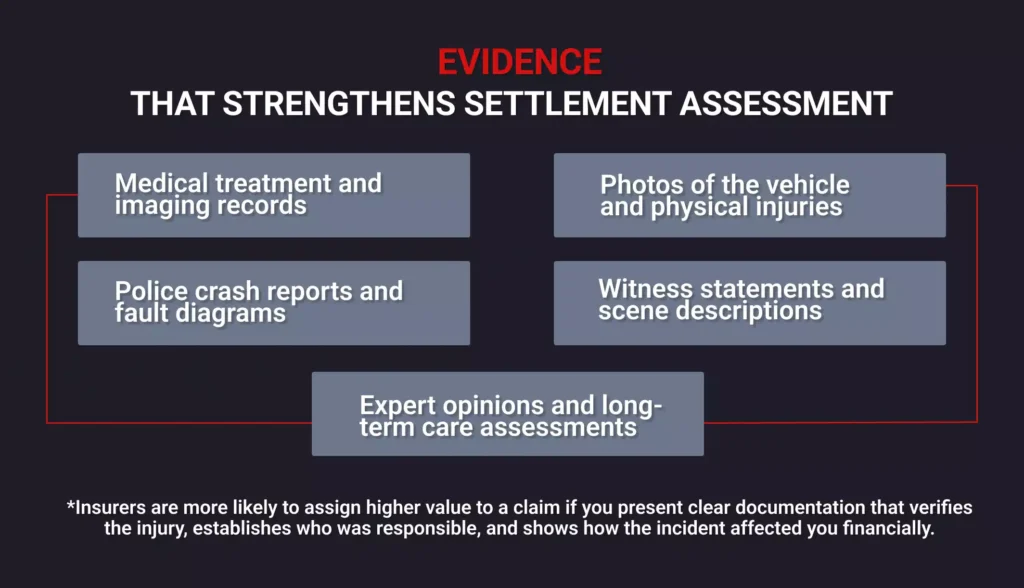
Glen Howard spent years as an insurance defense attorney before founding Howard Injury Law, so he knows how the other side handles these cases. Once a detective’s case goes quiet, the adjuster handling your UM claim, even at your own insurance company, starts treating it as a file to close for as little as possible. Doubts about how the crash happened and gaps in medical treatment get used to cut the number.
That’s why HIL doesn’t wait on the police. The firm runs its own search while police triage: sending preservation requests for surveillance video, tracking down witnesses, documenting paint transfer and debris, and sharing leads with investigators. Learn more about how a hit-and-run claim gets proven and paid.
If the driver is found, the case changes. Their liability insurance becomes the main source of payment, and your own UIM coverage may fill the gap if their limits are too low. The criminal case runs on its own track. See Nevada’s hit-and-run laws and penalties for what the driver faces.
Every crash is different, so talk to a Nevada attorney about the facts of yours.

Frequently Asked Questions
What happens if police find the hit-and-run driver?
Two things happen, and they’re separate. The driver may face criminal charges, and in Nevada leaving the scene of a crash that injures or kills someone is a felony. Your injury claim also shifts toward the driver and their auto insurance. If their policy limits aren’t enough to cover your losses, your own underinsured motorist coverage may pay the difference, though many policies require you to notify your insurer before settling with the driver. Even when a driver is identified months later, Nevada generally gives you two years from the date of injury to file a personal injury lawsuit, so waiting on the criminal case can cost you time on your civil claim. A lawyer can move both tracks forward together.
What if police never find the driver?
You can still recover compensation. Your own uninsured motorist (UM) coverage steps in when the at-fault driver can’t be identified, and it can cover medical bills, lost wages, and pain and suffering up to your policy limits. MedPay and health insurance can help with bills in the meantime, and your collision coverage can handle car repairs. The catch is that your insurer will look closely at whether you reported the crash promptly and whether the evidence shows another vehicle caused it. Expect your own company to scrutinize the claim like any other insurer would. Having an attorney who has worked on the insurance side can make a real difference in how that claim is valued.
Do police investigate hit-and-runs with only property damage in Las Vegas?
Sometimes, but not much. Since October 2025, a hit-and-run in a parking lot, shopping center, or casino garage has been a criminal matter in Nevada, and Metro takes those reports. With only a few detectives working thousands of cases, though, property-damage-only cases get the lowest priority. Police say they follow up when there’s a clear lead, such as a plate, video, or witness. Without one, many of these cases go no further than the report. That report still matters: it’s the record your insurer needs, and it can connect your case to others if the same car turns up somewhere else.

Hit by a Driver Who Fled? The Trail Goes Cold Fast. Your Claim Doesn’t Have To.
Right now you’re dealing with injuries, a damaged car, and a case that may be sitting in a stack of hundreds on a detective’s desk. You don’t have to wait on that stack to find out where you stand.
Glen Howard is a former insurance defense attorney who now represents injured people across Las Vegas and Nevada. As your Las Vegas hit-and-run accident attorney, he can start looking for the driver while evidence still exists and build your insurance claim at the same time. There’s no fee unless we win.
Not sure you have a case? That’s what the free review is for. Call (702) 331-5722 or request a free case review. Tell us what happened and we’ll tell you honestly what your options are. For other crash types, see our motor vehicle accident lawyer in Las Vegas page.