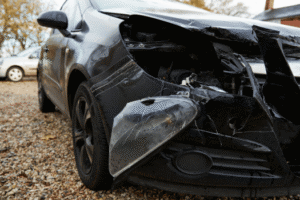


“I didn’t see them.” It’s what drivers say most often after hitting someone on a bike. These cyclist visibility tips are about making that sentence untrue. That means being lit, easy to spot, and predictable, so a driver has every chance to notice you before a crash rather than after.
Whether you commute through Spring Valley, deliver food near the Strip, or ride early loops in Summerlin, the goal is the same. Give drivers no excuse. And if one hits you anyway, the same habits that kept you visible become proof that you did everything right.
Why Being Seen Is Harder on Las Vegas Roads
Las Vegas wasn’t built with cyclists in mind. Many arterials are wide, multi-lane roads where traffic moves at 45 mph. At those speeds a driver has little time to spot a rider, judge how fast they’re going and react. Bike lanes often end at the worst possible places. Our breakdown of why Las Vegas ranks among the least bike-friendly cities shows where the network falls apart.
Local conditions add to the problem:
- Sun glare. Major east–west roads like Flamingo, Tropicana, Charleston and Sahara point drivers straight into the sun at sunrise and sunset.
- Heat-driven ride times. From May through September, many riders go out at dawn or after dark to avoid the heat. Those are exactly the hours when visibility is worst.
- Distraction everywhere. Tourists following GPS, rideshare drivers watching for passengers, and drivers checking phones all split attention away from the road edge where you ride.
The stakes are real. Local reporting in 2025 put Clark County’s 2024 death toll at 11 bicyclists. Police have since stepped up enforcement of Nevada’s 3-foot passing law.
Cyclist Visibility Tips: Lights That Get Noticed
Lights are the single biggest upgrade most riders can make, and they matter in daylight too.
Go Beyond Nevada’s Nighttime Minimum
Nevada requires a white front lamp visible from at least 500 feet, a red rear reflector, and reflective material or lamps visible from the sides when you ride at night. Our guide to bicycle laws in Nevada covers the full equipment rules.
Treat that as the floor, not the goal. A rear reflector only works once headlights hit it, and drivers turning or pulling out of driveways won’t always light you up. Add a bright red taillight so drivers can see you without having to find you.
Run a Flashing Light in Daylight
A steady headlight can blend into the desert glare and the chrome of midday traffic. Many lights now have a daytime flash mode designed to cut through bright conditions. Studies of daytime bike lights have linked them to fewer crashes involving another vehicle. Put the front and rear lights on flash from the moment you roll out, not just at dusk.
Use More Than One Light at Different Heights
Experienced riders often mount one light on the handlebars or seat post and another on the helmet. Two points of light at different heights help drivers judge your distance and speed, which a single blinking dot can’t do. A helmet light also points wherever you look. That makes it useful for catching the eye of a driver waiting to turn.
Clothing and Gear That Catch a Driver’s Eye
Put Reflectors on the Parts That Move
Research on “biomotion” shows that the human eye picks out moving reflective points faster than still ones. Reflective ankle bands, pedal reflectors, and shoes with reflective heels trace the up-and-down motion of pedaling. Drivers read that motion as a person on a bike almost instantly. A reflective vest on its own doesn’t send the same signal.
Match Your Colors to the Time of Day
- Daytime: Fluorescent yellow, orange, or pink stands out against Las Vegas’s tan and gray backdrop.
- Night: Fluorescent fabric does little in the dark. Reflective material is what shows up in headlights.
- Dawn and dusk: Wear both. A fluorescent jersey with reflective trim covers the changing light.
All-black kit looks good, but it disappears against asphalt and shadow.
Helmets
A helmet won’t make you more visible, but it’s your best protection if something goes wrong. Nevada has no statewide helmet law for adult cyclists. Local rules and the requirements for minors differ, and our overview of Nevada helmet laws explains them.
Riding Moves Matched to Where Cyclists Get Hit
Gear gets you noticed. Positioning keeps you out of the situations where drivers most often hit cyclists.
The Right Hook
A driver passes you, then turns right across your path into a driveway or side street. At intersections, don’t sit alongside a car in its blind spot. Hang back behind it, or move ahead where the driver can see you. Never pass a car on its right if it’s slowing or signaling to turn.
The Left Cross
An oncoming driver turns left across your lane, either looking through you or misjudging your speed. As you approach intersections, watch the car’s front wheels rather than the driver’s face. Keep your hands over the brakes. Where you can, make eye contact before you commit.
The Door Zone
Keep at least a car door’s width between you and parked vehicles. That matters most near Strip hotels, Downtown curbs and anywhere rideshare drivers are dropping off passengers. Riding farther out may feel less safe, but a door that opens in front of you leaves no time to react.
Taking the Lane When the Edge Isn’t Safe
Nevada asks cyclists to ride as far right as practicable, with exceptions. You don’t have to stay right when you’re keeping pace with traffic, preparing to turn left, or when hugging the edge wouldn’t be safe. On narrow lanes, through intersections, or where debris covers the shoulder, moving toward the center of the lane stops drivers from squeezing past you. Nevada law also requires drivers to change lanes or pass with at least 3 feet of room.
Be Predictable
Ride with traffic, never against it. Signal your turns early and hold your line instead of weaving between parked cars. Predictable riders are easier to see and easier to avoid. Most riders already ride this way: research shows cyclists follow traffic laws at rates similar to drivers or better.
For more on where crashes cluster across the valley, see our guide to crash hotspots in Las Vegas.
Why These Precautions Also Protect Your Claim
Glen Howard spent years as an insurance defense attorney before he started representing injured people. He knows the playbook. When a cyclist is hit, the adjuster’s first questions are almost always about the rider:
- Did you have lights on? Front and rear?
- What were you wearing?
- Where were you in the lane?
- Were you wearing a helmet?
Those questions are about building a case to shift blame onto you. That’s why your precautions matter twice. They lower your chances of being hit, and they take away the insurer’s easiest arguments. Photograph your bike, lights, and gear after any crash. That’s evidence.
Just as important, “I didn’t see you” is not a legal defense. Nevada drivers have a duty to use due care around cyclists, and not seeing someone who was there to be seen is often the failure itself.
What if you weren’t lit up, or you were wearing dark clothes? That doesn’t automatically end your claim. Nevada uses modified comparative negligence: you can still recover as long as you’re not more at fault than the other side, though your share of fault can reduce the amount. How that plays out depends on the facts, and it’s why talking with a Las Vegas bicycle accident lawyer early makes a difference.
How HIL Helps Keeps Las Vegas Riders Safer
Howard Injury Law believes in prevention, not just lawsuits. Through HIL Helps, the firm shares safety resources, supports community road-safety efforts, and answers questions from people who aren’t sure what to do yet. That includes riders who want to stay out of a crash in the first place. If you ride with a club, commute with coworkers, or have a teen who bikes to school, pass these tips along.

Frequently Asked Questions
What color is most visible to drivers when cycling?
In daylight, fluorescent yellow-green, orange, and pink stand out most, because they contrast with pavement, desert landscaping and most vehicle colors. At night the rules change. Fluorescent colors need sunlight to glow, so after dark reflective material is what shows up in a driver’s headlights. The strongest approach combines fluorescent fabric with reflective trim, especially on moving parts like ankles and heels, where the pedaling motion draws the eye. Dark or all-black clothing is the hardest to see at any time of day. That’s especially true in the shadows cast by Las Vegas’s wide roads and buildings.
Should I use a flashing bike light during the day?
Yes. A daytime flashing mode is one of the simplest ways to get noticed in bright, cluttered traffic. Steady lights can wash out in the midday Las Vegas sun, while a flashing pattern catches peripheral vision. Research on daytime running lights for bikes has linked them to fewer crashes involving another vehicle. Many riders run both lights on flash during the day and switch the front light to steady at night, so drivers can judge distance and the rider can see the road. Check your light’s daytime rating, because some lower-cost lights aren’t bright enough to register in full sun.
What lights does Nevada require on a bike at night?
Nevada law requires a white front lamp visible from at least 500 feet and a red rear reflector visible from 50 to 300 feet in low-beam headlights. You also need reflective material, or lamps, that can be seen from both sides. Every bike also needs a brake that can skid the wheels on dry, level pavement. These are minimums. A rear reflector only works once a driver’s headlights reach it, so most safety advocates recommend adding a bright red rear light. Riding without the required equipment can become an issue in an injury claim, so meeting and exceeding the rules protects you on the road and afterward.
Is it safer to ride with or against traffic?
Always ride with traffic. Nevada treats cyclists as having the rights and duties of drivers, which means riding in the same direction as cars. Riding against traffic may feel safer because you can see oncoming vehicles, but it greatly increases the danger. Closing speeds are higher, and drivers turning out of driveways and side streets look left for traffic, not right for an oncoming bike. Wrong-way riding also gives an insurance company an easy argument that you share the blame. The one exception is a two-way bike path or a lane marked for contra-flow cycling.
Can I still recover if I was hit without lights or reflective gear?
Often, yes. Nevada follows modified comparative negligence. You can recover compensation as long as you’re not more at fault than the party that hit you, but your recovery may be reduced by your percentage of fault. Missing lights or dark clothing might shift some fault to you, depending on the time of day, lighting, and what the driver was doing. It doesn’t erase a driver’s duty to pay attention, yield, and pass safely. Insurers push the “invisible cyclist” argument hard, so every case is different. A Nevada attorney can review the facts and tell you where you stand before you give a recorded statement.

Hit While Doing Everything Right? Talk to a Former Insurance Defense Attorney
You can do everything right and still get hit by a driver who wasn’t looking. If that happened to you, the insurance company is already looking for reasons to blame you. Glen Howard knows how they build that case because he used to build it for them.
Start with a free, no-pressure case review. Tell us what happened, and we’ll help you figure out whether you have a claim and what it may be worth. You pay nothing unless we win. Talk to a Las Vegas bike accident attorney about your crash, explore how we handle every type of motor vehicle accident in Las Vegas, or request your free consultation now.
This article is general information about Nevada law, not legal advice. Every case is different — speak with an attorney about your specific situation.