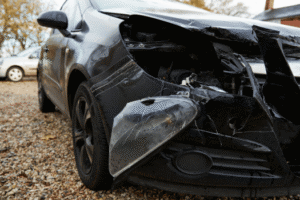


If a car hit you while you were on your bike, you may already be hearing some version of “the cyclist came out of nowhere.” So who’s at fault in a car vs. bicycle accident in Nevada? It depends on who acted carelessly or broke a traffic law. It does not depend on which vehicle was bigger, and it does not depend on who “belongs” on the road.
Nevada law puts cyclists on equal footing with drivers and adds specific duties drivers owe to people on bikes. Below, a former insurance defense perspective explains how fault actually gets assigned in Las Vegas bike crashes, where the insurance company will try to shift blame, and what that means for your claim.
Who’s at Fault in a Car vs. Bicycle Accident? It Comes Down to Who Broke a Duty
Nevada has no “bigger vehicle pays” rule. It also has no rule that a cyclist loses automatically. Fault is decided the same way it is in any crash: whoever failed to act with reasonable care, or violated a traffic law, is responsible for the harm that followed.
Two parts of Nevada law carry most of the weight in bike cases:
- Cyclists have the rights and duties of drivers. Under NRS 484B.763, a person riding a bicycle on a roadway has all the rights of a vehicle driver and is bound by the same duties, with a few bike-specific exceptions.
- Drivers owe cyclists extra protection. NRS 484B.270 requires drivers to use due care to avoid hitting cyclists, bars them from intentionally interfering with a lawful rider, and requires safe passing and yielding to riders in bike lanes.
So the question isn’t “car or bike?” It’s “who broke which duty, and did that cause the crash?” The rules themselves are covered in our guide to Nevada bicycle laws. This post focuses on how those rules turn into fault after a collision.
When the Driver Is at Fault
Most car-versus-bike collisions in Las Vegas follow a handful of patterns. In each one, the driver’s duty is clear.
Failure to Yield and the “Left Cross”
A driver turning left across oncoming traffic has to yield to anything coming straight through, and that includes a cyclist. Because Nevada treats cyclists as vehicle operators, the left-turn yield rule that protects oncoming cars protects oncoming riders too. These crashes happen constantly at wide, fast intersections along Tropicana, Flamingo, and Charleston.
The “Right Hook”
A driver passes a cyclist, then turns right directly across the rider’s path into a driveway or side street. The driver had the cyclist in view seconds earlier, which makes it very hard to argue the rider was invisible. When a bike lane is involved, the driver also had a duty to yield to the rider in that lane before crossing it.
Unsafe Passing
Nevada drivers passing a cyclist must move into an available left lane or leave at least 3 feet of space. A driver who squeezes past on Rainbow or Durango and clips a handlebar has broken a specific statutory duty, not just a courtesy.
Driving Into a Bike Lane
Outside narrow exceptions (entering a driveway, avoiding a hazard, emergencies), drivers can’t drive in a bike lane. They also must yield to cyclists using it. A driver who drifts into the bike lane or uses it as a turn lane is on the wrong side of NRS 484B.270.
Dooring
Nevada law prohibits opening a vehicle door into passing traffic (NRS 484B.153). When a parked driver or passenger flings a door open in front of a rider, responsibility generally falls on the person who opened it.
“I Didn’t See Them”
This is the most common thing drivers say after hitting a cyclist, and legally it works against them. Drivers have a duty to keep a proper lookout and use due care to avoid colliding with riders. “I didn’t see them” usually means “I didn’t look carefully enough,” which is an admission of the very carelessness that creates liability.
When the Cyclist Can Be at Fault
Honesty matters here: cyclists can be responsible for a crash, in whole or in part. The duties that come with a rider’s rights under Nevada law are real. The situations insurers point to most often include:
- Riding against traffic, which puts a rider where drivers don’t expect anyone to be
- Running a red light or stop sign without legal justification
- Riding at night without the required front light and rear reflector
- Swerving suddenly into traffic without signaling or checking
- Riding far from the right side of the road when none of Nevada’s exceptions apply (such as keeping pace with traffic, preparing for a left turn, or avoiding hazards like parked cars and debris)
One of these facts in the police report doesn’t end your case. It usually means fault gets shared, and in Nevada, sharing fault is not the same as losing. Research on how often cyclists break traffic laws also shows riders comply at rates similar to drivers, which undercuts the stereotype insurers lean on.
Shared Fault: How Nevada’s 51% Rule Applies to Cyclists
Nevada uses modified comparative negligence under NRS 41.141. In plain terms:
- If you are 50% or less at fault, you can still recover. Your compensation is reduced by your percentage of fault.
- If you are 51% or more at fault, you recover nothing.
Example: A driver makes an illegal left turn into a cyclist who is riding at dusk without a working rear reflector. A jury might find the driver 80% responsible and the rider 20%. If the rider’s damages are $100,000, the rider could recover $80,000.
This is why insurers fight so hard over percentages. Every point of fault they shift onto you is money they don’t pay. It also matters when there is no fault on your side at all. Under Nevada case law (Buck v. Greyhound), a fault-free injured person can generally recover the full award from any at-fault defendant, rather than having it split among them. The fuller mechanics are covered in our breakdown of comparative negligence in Nevada.
Expect the helmet argument too. Nevada has no statewide helmet law for adult cyclists. A missing helmet doesn’t make you the cause of a crash. Some insurers still try to use it to discount a head-injury claim, and that argument can be challenged.
Who Decides Who’s at Fault in a Bike Crash?
Fault isn’t decided in one moment by one person. It gets argued in three places:
- The police officer writes a report and may issue a citation. The officer rarely saw the crash, and often only the driver is conscious, uninjured, and talking at the scene. A report that leans against the cyclist is common, and it is not the final word.
- The insurance adjuster reviews the evidence and assigns fault percentages. The adjuster works for the company paying the claim.
- A judge or jury makes the final call if the case isn’t settled.
Glen Howard spent years as an insurance defense attorney before starting Howard Injury Law, so he knows how adjusters build a “came out of nowhere” narrative against cyclists. The playbook is predictable: lean on a one-sided police report, get a recorded statement from the injured rider, and frame the bike as the problem. For how fault works across every kind of crash, see how fault is determined in a motor vehicle accident.
Evidence That Shows You Had the Right of Way
Bike cases often turn on physical and digital evidence the driver’s version can’t argue with:
- Your bike: where it’s damaged shows angle and direction of impact. Don’t repair or throw it away.
- Ride data: Strava, Garmin, or bike computer files can show your speed, route, and position.
- Camera footage: helmet cams, nearby business cameras, traffic cameras, and rideshare dashcams. Many Las Vegas businesses overwrite footage within days.
- Witnesses: people waiting at the bus stop or crossing at the light often saw more than the driver did.
If you’re still in the first days after a crash, our step-by-step guide on what to do when hit by a car as a cyclist walks through protecting your health and your claim. Riding an e-bike? Fault works a little differently, so see who is at fault for an e-bike crash in Las Vegas.

Frequently Asked Questions
Who crashes more, cars or bikes?
Cars are involved in far more crashes overall simply because there are far more of them on the road. Cyclists, though, carry far more of the harm when the two collide. According to NHTSA, 1,166 bicyclists were killed in U.S. traffic crashes in 2023, and roughly 50,000 more were injured. Nevada recorded 14 cyclist deaths that year. National data doesn’t reliably assign fault between drivers and riders, and police reports often reflect only the driver’s account. That’s why fault in a Las Vegas bike crash has to be proven with evidence rather than assumed from statistics.
What is the most common reason a vehicle and cyclist crash?
The most common thread is a driver failing to see or yield to a rider. That includes left turns across an oncoming cyclist, right turns across a rider’s path, and unsafe passing. NHTSA data also shows most cyclist deaths happen away from intersections, and the evening hours (6–9 p.m.) are the most dangerous time on weekdays. Low light and speed make those hours especially risky on wide Las Vegas arterials. In most of these crashes, the driver’s duty to look and yield is the central fault question.
Is the driver always at fault if they hit a cyclist?
No. Nevada has no automatic-fault rule for drivers who hit cyclists. Fault depends on who broke a traffic duty or failed to use reasonable care. That said, drivers do owe cyclists specific added duties: safe passing distance, yielding to riders in bike lanes, and using due care to avoid a collision. In many real-world crashes, those duties point squarely at the driver. When both parties made mistakes, Nevada’s comparative negligence rule divides fault by percentage. You can still recover as long as you’re not more at fault than the parties you’re pursuing.
Can I still recover if I wasn’t wearing a helmet?
In most cases, yes. Nevada doesn’t have a statewide helmet requirement for adult cyclists, and not wearing one doesn’t cause a driver to turn into your path. Insurance companies may still argue a helmet would have reduced a head injury and use it to push your claim value down. How much weight that argument carries depends on your injuries and the facts, and it’s one of the first tactics an experienced attorney pushes back on. Every case is different, so talk it through with a lawyer before accepting an insurer’s position.

Told the Crash Was Your Fault? Get a Second Look From Someone Who Knows the Playbook
If a driver or adjuster is already blaming you, that’s a strategy, not a verdict. The facts of your crash, the physical evidence, and Nevada’s rules of the road decide fault. The first story told at the scene doesn’t.
Howard Injury Law represents cyclists hit by negligent drivers across Las Vegas, Henderson, Summerlin, and North Las Vegas. As a former insurance defense attorney, Glen Howard knows how the other side builds its case against riders, and how to take it apart. We also handle every kind of motor vehicle accident in Las Vegas, so we know how drivers’ insurers operate.
Not sure if you have a case? Request a free case review. Tell us what happened, and a Las Vegas bicycle accident attorney will tell you honestly where you stand. There’s no fee unless we win, and Nevada’s two-year injury deadline means it pays to ask now rather than later.