


The insurance company has already called, and you’re not sure whether you’re even supposed to answer. After a loved one’s fatal crash, whether to talk to the insurance company is one of the most consequential decisions your family will make in the first weeks — and the person on the phone knows it.
You’re grieving, you’re exhausted, and now an adjuster is asking friendly questions or floating a check. This guide explains who is actually calling, what to avoid saying, and the safe steps to take so a rushed conversation doesn’t quietly weaken your claim before it starts.
The Short Answer: Say Very Little, and Know Who’s Calling
You should limit what you say to any insurance company after a fatal crash, and you should not give a recorded statement or accept a quick settlement before you speak with a lawyer. That’s not about hiding anything — it’s about not handing the other side ammunition while you’re at your most vulnerable.
Nevada law doesn’t require you to give the at-fault driver’s insurer a recorded statement or a fast decision. A few careful minutes now can protect months of your family’s recovery later. Every situation is different, so treat this as general guidance and confirm the specifics with a Las Vegas attorney who handles fatal crash cases.
Why the Insurance Company Calls So Fast After a Fatal Crash
Insurers move quickly after a death for a reason. The sooner they reach a grieving family, the more likely they are to get a statement before anyone has the full picture — and to settle before the family understands what the claim is truly worth.
Speed is a strategy. An early, friendly call feels like help. In practice, it’s the moment the insurer starts building its file, locking in your words, and looking for anything that lets it pay less. Howard Injury Law’s founding attorney, Glen Howard, spent years as an insurance defense attorney before he started representing families. He knows these scripts because he used to work on the other side of them — and that’s exactly why he tells families to slow the process down.
Which Insurance Company Are You Even Talking To?
Not every insurer on the phone plays the same role, and the difference changes what you should say. Sorting out who’s calling is one of the first things a Las Vegas fatal crash attorney will help you do.
The At-Fault Driver’s Insurer (They Don’t Work for You)
When the other driver’s insurance company calls, remember what they are: the legal team for the person who caused the crash. Their job is to reduce or deny what your family recovers, no matter how kind the adjuster sounds.
Here’s a detail most families never hear: in Nevada, the law that lets someone hold an insurer accountable for bad-faith claims handling generally protects that insurer’s own policyholder — not a person making a claim against someone else’s policy. As the surviving family, you’re usually a third-party claimant against the at-fault driver’s insurer, which means you have far less leverage over how they treat you. That’s all the more reason to keep the conversation short and route it through counsel.
Your Own Insurer and UM/UIM Coverage
Your own insurance company is a different relationship. Your policy typically includes a duty to cooperate, so you may need to notify them and share basic information — especially if you’re pursuing uninsured or underinsured motorist coverage because the at-fault driver had little or no insurance, a common problem across the Las Vegas Valley.
Even here, “cooperate” doesn’t mean submit to a recorded interview on the adjuster’s terms. Your own insurer owes you duties of good faith, but its financial interest still runs opposite to yours. Having a lawyer manage that contact protects your coverage without giving anything away.
What to Avoid Doing After a Loved One’s Fatal Crash
A few early mistakes cause most of the damage. Protect the claim by avoiding these:
- Don’t give a recorded statement to the other driver’s insurer. You’re not required to, and it’s used to pin down your words before you know the facts.
- Don’t accept a quick check or sign anything. A release ends the claim permanently — often for a fraction of its value.
- Don’t speculate about how the crash happened. Guesses become “admissions” the insurer replays later.
- Don’t suggest your loved one was even partly at fault. Nevada’s comparative negligence rules let an insurer shrink or defeat a claim by shifting blame onto the person who died.
- Don’t discuss the claim’s value, your family’s finances, or medical history. None of it helps you, and all of it can be used against you.
If an adjuster pushes, you can simply say you’ll be represented and end the call. You don’t owe the other side an interview.
Safe Steps to Take Instead
You can protect your family without saying much at all. Focus your energy here:
- Get the crash report. The Las Vegas Metropolitan Police report and related records anchor the early facts of the case.
- Preserve everything. Photos, the vehicles, witness names, and any video near the scene fade fast — the evidence that proves a fatal crash claim is easiest to secure early.
- Sort out who has authority. A Nevada wrongful death claim is brought by specific people — who has the legal right to file usually comes down to close family and the estate, and appointing the right personal representative of the estate matters before anyone negotiates.
- Talk to a lawyer before the insurer. One conversation with a Las Vegas motor vehicle accident lawyer can keep an early misstep from costing your family later.
Why a Quick Settlement Is So Dangerous in a Fatal Case
A fatal crash claim is almost always worth more than the first offer — sometimes far more than a single policy limit. Fatal cases can involve several sources of recovery: the driver, their employer, other negligent parties, and your family’s own coverage. Settling with one insurer too early, before everyone responsible is identified, can slam the door on the rest.
There’s another layer families rarely see coming. Nevada law recognizes separate claims — the surviving heirs have their own losses, and the estate has its own through a survival action. A release signed in the fog of grief can extinguish claims that belong to other family members, not just the person who signed. Understanding what your family can actually recover is the only way to judge whether any offer is fair — and it rarely is at first.
Frequently Asked Questions
Am I legally required to talk to the other driver’s insurance after a fatal crash?
No. You’re generally not required to speak with the at-fault driver’s insurance company, and you’re not required to give them a recorded statement. That insurer represents the person who caused the crash, not your family. You can decline politely, ask them to put any request in writing, and refer them to your attorney. Your own insurer is different — your policy usually includes a duty to cooperate, so you may need to notify them and share basic information. Even then, cooperating doesn’t mean submitting to a recorded interview on their terms. When in doubt, talk to a Las Vegas wrongful death lawyer before you talk to any adjuster.
Do I have to give a recorded statement after my loved one’s fatal accident?
Not to the other side. Nevada law doesn’t require you to give a recorded statement to the at-fault driver’s insurance company, and doing so early — while you’re grieving and don’t have the full facts — usually helps the insurer more than your family. Adjusters use recorded statements to lock in your words, then treat any guess about how the crash happened as a reason to blame your loved one. If your own insurer requests a statement under a duty-to-cooperate clause, that’s a different situation, and it’s worth having a lawyer present. There’s rarely a reason to rush into it.
Should I accept the insurance company’s settlement offer after a wrongful car death?
Almost never right away. An early check can feel like relief when funeral costs are mounting, but a fatal crash claim is often worth far more than the first number an insurer offers. Accepting usually means signing a release — a document that closes the claim for good and can bar other family members, the estate, and claims against additional responsible parties. Until your family has identified everyone who may be liable and calculated the full loss, no offer can be evaluated fairly. Have a Nevada wrongful death attorney review any offer before you sign anything.
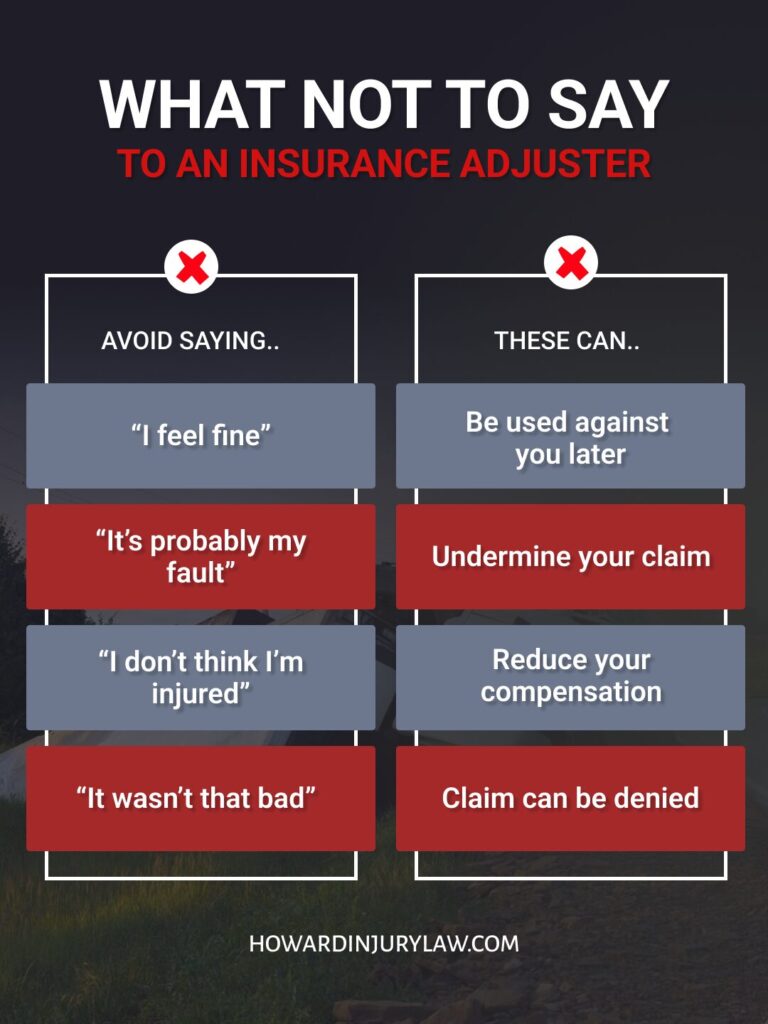
What should I not say to the insurance company after a fatal crash?
Don’t guess, speculate, or accept blame. Avoid theories about how the crash happened, statements about what your loved one “might have” done, or any hint that they were partly at fault — Nevada’s comparative negligence rules let an insurer reduce or defeat a claim by shifting blame onto the person who died. Don’t discuss the value of the claim, your family’s finances, or medical history. Don’t agree to a recorded statement, and don’t sign anything. If you must respond at all, stick to basic facts — names, date, location — and send everything else to your attorney.
How long do I have to file a wrongful death car claim in Nevada?
In most cases, two years from the date of death. Nevada’s wrongful death statute generally gives surviving family members and the estate two years to file, and missing that deadline can end the claim no matter how strong it is. Some facts change the math — a related criminal case, a government defendant with its own notice rules, or other circumstances — so the safest step is to confirm your specific deadline to file with a Las Vegas attorney early. Insurers sometimes stall precisely because the clock is running.

How a Las Vegas Fatal Crash Attorney Handles the Insurers for You
Once you have a lawyer, you don’t have to take another adjuster’s call. Every request goes to your attorney, every statement is handled on your terms, and the pressure to decide something today disappears.
That’s the practical value of Glen Howard’s background: he built fatal crash cases knowing exactly how the other side calculates, delays, and lowballs — because he used to do that work. Howard Injury Law takes these cases on contingency, so there’s no fee unless the firm wins for your family. You focus on grieving and on the people who are still here; the legal fight becomes someone else’s job.
You didn’t choose any of this, and you shouldn’t have to become an expert in insurance tactics while you’re planning a funeral. If an adjuster has already called — or you’re bracing for the one that’s coming — the safest next move is to let someone who knows their playbook take it from here. Reach out through Howard Injury Law’s free consultation to find out where your family stands and what pursuing a wrongful death claim after a fatal car crash could mean before you say a word to the insurance company. No fee unless the firm wins.