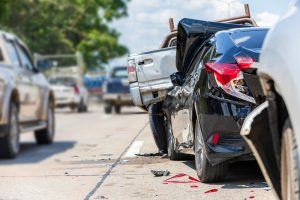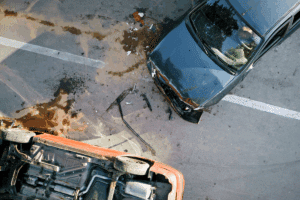



Motor vehicle accidents are so common in Las Vegas, and they happen at a rate that surprises even longtime residents. The reasons aren’t random. They’re structural, cultural, and deeply tied to what this city is built to do. Vegas is different and the roads never fully quiet down. But different doesn’t just mean exciting. It also means dangerous — especially behind the wheel.
Understanding why crashes happen here so often can help you recognize the risks. And if you’ve already been hurt, it helps you understand why the other side’s story almost never holds up the way they think it will.
If you were injured in a crash in Las Vegas or anywhere in Nevada, Howard Injury Law is available 24/7 for a free case review. No fees unless we win.

Las Vegas Was Built for Volume — Not for Safety
The Grid That Creates Collisions
Las Vegas was designed with a mile-wide grid system. Major streets run parallel at roughly one-mile intervals, with massive six-lane intersections connecting them. Boulder Highway. Flamingo Road. Sahara Avenue. Tropicana. These aren’t side streets — they’re high-speed arterials that carry thousands of vehicles per hour.
That design works for moving large numbers of people. It doesn’t work well for avoiding collisions. Wide intersections mean longer crossing distances. Longer crossing distances mean longer exposure to moving traffic. When drivers approach those intersections at speed — as they routinely do here — the consequences of a yellow-light gamble are severe.
Rear-end crashes are especially common at these intersections. A driver traveling 45 miles per hour who misjudges a light change or follows too closely simply doesn’t have enough stopping distance. Nevada’s roads are built wide enough to feel like a freeway. People drive them that way.
Six Lanes, Three Problems
Wide roads carry another hidden risk: lane-change collisions. With four to six lanes of travel in each direction on major corridors, drivers move across lanes more frequently — and often without checking properly. Sideswipe crashes, blind-spot collisions, and cut-off accidents are everyday events on streets like Decatur Boulevard, Eastern Avenue, and the I-15 resort corridor.
Speed amplifies all of it. On a six-lane road with a 45 mph limit, a distracted driver isn’t just a nuisance — they’re a real hazard to everyone around them.
The Tourist Factor Is Real
Forty Million Visitors a Year — Many of Them Behind the Wheel
Las Vegas draws roughly 40 million visitors annually. A significant portion of them rent cars. Visitors arriving from smaller cities or rural areas step into rental vehicles and immediately navigate some of the busiest, most congested road systems in the American Southwest.
They don’t know the grid. They don’t know which lanes merge. They don’t know that the turn for their hotel is coming up faster than the GPS indicated. What follows is predictable: sudden braking, last-second lane changes, wrong-way turns, and missed signals.
Tourists aren’t bad drivers. They’re unfamiliar drivers operating under sensory overload in a city that provides constant distraction. The Strip corridor — Las Vegas Boulevard from Mandalay Bay to the Stratosphere — is particularly dangerous for this reason. Pedestrian activity is high. Signage competes with casino marquees. GPS instructions don’t always account for the unusual traffic patterns on a road designed more for foot traffic than through-traffic.
Rubbernecking Is a Real Hazard Here
Most cities have the occasional roadside distraction. Las Vegas has entire miles of it. Drivers — even local ones — look up at the Sphere, at the Resorts World towers, at the fountain show running at the Bellagio. Rubbernecking may sound trivial. At highway speed, it isn’t. A driver looking left for two seconds at 45 mph travels more than 130 feet without watching the road.
Impaired Driving Is a Structural Problem, Not Just a Weekend Issue
The 24/7 Drinking Culture
Las Vegas does not close. Bars and casinos serve alcohol around the clock. That’s a feature of the city, not a bug — and most people enjoy it responsibly. But it also means that impaired drivers exist on Nevada roads at every hour of every day, not just late Friday and Saturday nights.
The combination of open-container zones in certain areas, complimentary drinks on casino floors, and a city that genuinely never sleeps creates conditions unlike almost anywhere else in the country. A motor vehicle accident that happens at 7 a.m. on a Tuesday in Las Vegas may well involve a driver who never went to sleep.
Nevada law treats DUI seriously — but that doesn’t eliminate the crashes. If a drunk driver hit you, their criminal case is separate from your civil claim. You have the right to pursue compensation regardless of how their criminal case resolves.
Graveyard Shifts and Drowsy Driving
Las Vegas’s hospitality economy runs on shift workers. Dealers, servers, security staff, hotel employees — tens of thousands of people work graveyard shifts and drive home in the early morning hours after eight or ten hours on their feet.
Drowsy driving impairs reaction time and decision-making in ways that are clinically similar to alcohol impairment. The I-15, the 215 Beltway, and US-95 see elevated crash rates in the early morning hours partly for this reason. If the driver who hit you was coming off a long shift or had been awake for an extended period, that is relevant to your case.

Speeding and Aggressive Driving on Nevada’s Major Corridors
I-15 and US-95: Where Speed Meets Volume
The interstate corridors through Las Vegas — I-15 running north-south through the resort corridor and US-95 cutting through northwest Las Vegas — carry enormous daily traffic volumes. They also carry drivers who treat posted speed limits as suggestions.
Speeding on these corridors is common and routinely fatal. Higher speeds mean longer stopping distances, more severe impact forces, and less reaction time when something goes wrong. A crash at 75 mph on I-15 is categorically different from a crash at 35 mph on Flamingo Road. The injuries reflect that difference.
Red-light violations are a separate but equally serious problem at Las Vegas surface intersections. Drivers running late lights — not yellow lights, but clearly red ones — are a documented and consistent cause of T-bone and broadside collisions at major intersections across Clark County.
Motor Vehicle Accidents in Las Vegas Hit Vulnerable Road Users the Hardest
Pedestrians in a Car-First City
Las Vegas pedestrian accident rates rank among the highest in the country. The city was designed primarily around vehicle movement, not pedestrian movement. Crosswalk signals are timed for traffic flow. Medians are narrow. Pedestrians — particularly tourists navigating between properties on the Strip — frequently cross in unmarked areas because the built environment gives them limited options.
When a vehicle strikes a pedestrian, the injuries are almost always serious. No airbag. No frame. No crumple zone. Just a human body absorbing the full energy of the impact.
If you or someone you love was hit while on foot in Las Vegas, the motor vehicle accident attorneys at Howard Injury Law understand how these cases are built — and how insurance companies try to shift blame to the person on foot.
Motorcyclists and Cyclists in High-Speed Traffic
Riders and cyclists in Las Vegas share lanes with distracted drivers, aggressive mergers, and vehicles traveling at speeds that leave almost no margin for error. Motorcycle crashes in Nevada tend to produce severe injuries. Insurance companies know it, and they often move quickly to offer low settlements before the full extent of injuries is known.
The risks motorcyclists face on Las Vegas roads are distinct from what other drivers experience. If you were riding when you were hurt, that distinction matters in how your case is handled.
What This Means If You Were Injured
The Other Driver’s Insurance Company Already Knows This City
Insurance adjusters who work Las Vegas claims know this city’s crash patterns. They know where fault is contested most often. They know which roads produce which arguments. They use that knowledge to evaluate — and often undervalue — claims.
Understanding why motor vehicle accidents are so common in Las Vegas is not just educational. It is directly relevant to your case. The conditions that caused your crash — the wide road, the tourist driver, the impaired motorist, the speeding commuter — are part of the story your attorney tells to establish liability and pursue the compensation you’re owed.
At Howard Injury Law, Glen Howard spent years on the insurance defense side before representing injured people. He knows how adjusters think, what they look for, and where they look to cut value. That background shapes how every case at this firm is built and negotiated.
Understanding how insurance adjusters handle your claim before you speak with them can protect your position significantly. And knowing what your injury case may be worth helps you evaluate what’s being offered against what’s actually fair.
Frequently Asked Questions
Why does Las Vegas have so many car accidents compared to other cities?
Several factors combine to make Las Vegas one of the more dangerous metro areas for drivers in the American Southwest. The city’s wide, high-speed grid road system creates conditions for frequent rear-end and intersection collisions. The constant influx of tourist drivers unfamiliar with local roads adds unpredictability. The 24/7 entertainment culture means impaired drivers are on the road at all hours, not just weekend nights. Rapid population growth in Clark County has added commuter volume to roads already operating near capacity during peak hours. All of these factors overlap — and when they do, the results are serious.
Does it matter why the accident happened when I file a claim?
Yes — significantly. Nevada follows a modified comparative negligence standard, meaning the cause of the accident and each party’s share of fault directly affect your compensation. If the driver who hit you was impaired, speeding, or distracted, that conduct supports your claim and may affect the final value. An attorney can help document the cause of the crash and present it in a way that protects your recovery. Learn more about how comparative negligence works in Nevada.
What should I do after a motor vehicle accident in Las Vegas?
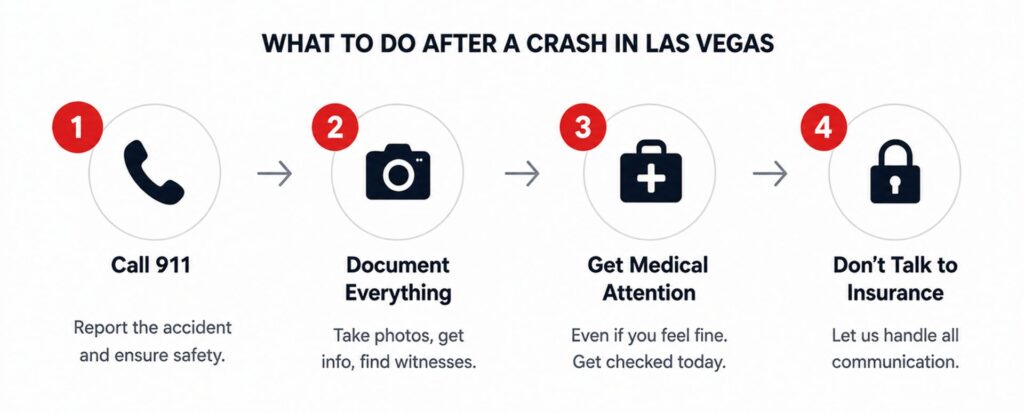
Get medical attention first — even if you feel okay. Injuries from motor vehicle accidents often present symptoms days after the crash. After that, avoid giving recorded statements to any insurance company without speaking to an attorney. Document everything you can: photos, witness contact information, the police report number. Then contact a motor vehicle accident lawyer in Las Vegas as soon as possible. Evidence degrades quickly, and insurance companies begin their evaluation immediately. See what to expect when you call a personal injury lawyer if you’re unsure what that first conversation looks like.
How long do I have to file a claim after a car accident in Nevada?
Nevada’s statute of limitations for personal injury claims is generally two years from the date of the accident. Missing that deadline typically means losing your right to recover — regardless of how strong your case is. Two years sounds like a long time, but building a strong claim takes time. Don’t wait until the deadline is close. Review Nevada’s personal injury statute of limitations for more detail on how the timeline works and when exceptions may apply.
Las Vegas Roads Are Unforgiving — You Shouldn’t Have to Face This Alone
Motor vehicle accidents in Las Vegas aren’t just bad luck. They happen because of how this city is built, who is on its roads, and what drivers do when they’re distracted, impaired, or in a hurry. When you’re the one who gets hurt, none of that makes it easier. But it does mean there is almost always a responsible party — and a path to accountability.
Howard Injury Law represents people injured in motor vehicle accidents throughout Las Vegas and Nevada. Glen Howard and our team are available 24/7, work on a contingency fee basis, and there is no obligation attached to your first call. If you are wondering whether your crash warrants a claim, contact us and let us help you answer that question.
You pay nothing unless we recover for you.