

If you were hurt on Lake Mead and someone told you the boat owner can cap your claim at the value of a wrecked boat, here is the truth: a boat owner can ask a federal court to limit liability, but asking is not the same as getting it. The owner has to prove they qualify, the deadline to ask is short, and the cap does not protect everyone who may owe you.
That matters because the number an insurance adjuster quotes you is often built on the assumption that you won’t know any of this.
Yes, a Boat Owner Can Ask to Limit Liability
A federal law called the Limitation of Liability Act lets the owner of a vessel ask a federal court to limit what they owe after an accident to the value of the vessel. It was written in 1851 to protect shipping companies. Courts apply it today to recreational boats and jet skis too.
It only comes into play where federal maritime law reaches the accident. Lake Mead sits on the Colorado River and spans Nevada and Arizona, which is why maritime law can apply to a crash there alongside Nevada law. Whether it does in your case depends on where and how the accident happened.
Three points decide almost everything:
- The owner must file in federal court within six months of receiving written notice of a claim.
- The owner must prove the accident happened without their “privity or knowledge,” meaning without their own fault or awareness.
- The cap belongs to the owner. Other people and companies who share the blame don’t get it.
How the Cap Works: The Boat’s Value After the Crash
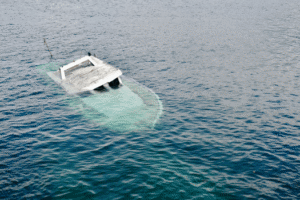
The limit is measured by what the boat is worth after the accident, not before. A boat that burned, sank, or broke apart may be worth almost nothing on paper.
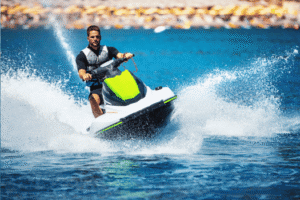
Here is how that looks in real life. In a case from Lake Tahoe that reached the federal appeals court covering Nevada, a rental company facing a claim over a drowning valued its jet ski at $5,000 and asked the court to limit its liability to that amount.
That is why these filings happen. The owner’s insurance company usually stands in the owner’s shoes, so a successful cap can shrink what the policy has to pay, even when the policy limit is far higher. Insurers know this and often pay for the filing.
A request is still only a request. The owner carries the burden of proving they deserve the protection, and many cannot.
When a Boat Owner Loses the Right to Limit Liability
The law protects an owner who had nothing to do with what went wrong. It does not protect an owner whose own choices caused the accident. In practice, that is where most recreational cases turn.
The Owner Was Driving
An owner who was at the controls when the crash happened has a very hard time claiming they had no knowledge of how the boat was being operated. Courts have denied the cap on exactly that basis.
The Owner Handed the Controls to the Wrong Person
Letting someone drive who was drinking, underage, untrained, or known to be reckless is the owner’s own decision. Courts have treated that kind of careless handoff as the owner’s fault, which takes the cap off the table. The same idea applies on the road, as we explain in who is liable in a motor vehicle accident in Nevada.
The Owner Knew About the Problem
A sticking throttle, a dead engine cut-off switch, a steering issue that was reported and never fixed. If the owner knew, or should have known through basic upkeep, the accident did not happen without their knowledge.
The Rental Company Cut Corners
When a company owns the boat, what its managers knew counts as what the company knew. Renting a jet ski to a first-time rider with a two-minute briefing, skipping maintenance checks, or ignoring earlier complaints about the same vessel can all defeat the cap.
The Owner Missed the Six-Month Deadline
The owner has six months from written notice of a claim to file. An owner who files late loses the right to limit liability, no matter how strong their argument would have been.
The Boat Carried Paying Passengers
Congress changed the law in 2022. Many smaller commercial passenger boats, such as tour and charter boats carrying paying customers, can no longer use this cap at all.
Who the Cap Does Not Protect
Even when an owner wins, the limit applies to the owner. It does not erase the rest of your claim.
- A driver who didn’t own the boat. A friend or guest at the wheel is generally responsible for their own careless driving.
- A manufacturer. If a defective part caused the crash, the company that made it stands on its own.
- Other at-fault parties. A second boat’s operator, a marina, or a tour company may each carry separate insurance.
A boat accident claim often has more than one source of recovery. The policy that pays may be a boat policy, a rental company’s commercial policy, or a homeowner’s or umbrella policy. Our post on how insurance works after an accident explains why coverage limits matter so much.
What Happens If You Get a Federal Court Notice
If the owner files, three things happen quickly.
First, the court can pause other lawsuits against the owner over the same accident. Second, the court sets a deadline for anyone with a claim to file it in the federal case. That deadline can be as short as 30 days after the notice goes out. Third, the notice is published in a newspaper and mailed to people the owner knows have made a claim.
Do not ignore that notice. If you don’t file a claim and a response by the date in it, you risk losing your claim against the owner entirely.
You also have options inside that case. You can challenge the value the owner put on the boat. You can contest whether the owner qualifies for the cap at all. And when you are the only injured person, there are often ways to return your case to a Nevada court and a jury.
Why Your First Letter to the Owner Matters
The owner’s six-month clock starts with written notice of a claim. That notice doesn’t have to be a lawsuit. A letter can count.
So the first letter matters more than most people expect. A clear, properly worded notice starts the clock, and an owner who lets it run out loses the cap. A vague note or a casual text may not start anything.
This is one reason not to send your own demand to the owner or a rental company. Let a lawyer write it. Meanwhile, keep your own deadline in view: Nevada generally gives you two years to file an injury lawsuit, and you should plan around that even if maritime law might allow more.
If you are still sorting out the basics, our guide to what happens after a boat accident covers who investigates, which reports are due, and which rules apply.
What a Former Insurance Defense Attorney Looks for First
Glen Howard spent years as an insurance defense attorney before founding Howard Injury Law in Las Vegas. He has seen how a liability cap gets used: raised early, stated as settled fact, and aimed at people who have never heard of it.
The answer is evidence of what the owner knew. That means the rental agreement and briefing records, maintenance and repair logs, earlier complaints about the same boat, who was allowed to drive and why, and the boat itself before it gets repaired or sold.
Much of that is in the owner’s hands, and it doesn’t stay put for long. A Lake Mead boat accident lawyer can send a preservation demand right away so the proof still exists when the cap is challenged.
Not sure whether your situation calls for legal help at all? Who needs a boat accident lawyer is a useful next read.
Frequently Asked Questions
Does the Limitation of Liability Act apply to recreational boats and jet skis?
Yes, it can. The law was written for commercial shipping, but courts have applied it to pleasure boats and personal watercraft for decades. The federal appeals court that covers Nevada has handled a limitation case involving a rented jet ski. Two conditions still have to be met. Maritime law must reach the accident, which depends on the water and what the boats were doing. And the owner must prove the accident happened without their own fault or knowledge. On a recreational boat, the owner is often aboard, driving, or the one who chose the driver, which makes that second condition hard to meet.
How long does a boat owner have to file for limitation of liability?
Six months from the date the owner receives written notice of a claim. The notice does not need to be a lawsuit. A letter that tells the owner a claim is coming can be enough to start the clock. If the owner files after six months, the right to limit liability is lost. This is why the wording and timing of the first written notice matter, and why it is better for an attorney to send it than for you to write to the owner or the rental company yourself.
Does insurance still pay if the owner limits liability?
It can pay less. An owner’s liability insurer generally owes what the owner legally owes, so a successful cap can reduce the amount that policy pays, even if its limit is much higher. That is the main reason insurers support these filings. The cap does not reach policies held by other at-fault parties, such as a driver who did not own the boat, a second boat’s operator, or a manufacturer. It also does not apply if the court finds the owner was personally at fault. Identifying every policy early is a large part of protecting your recovery.
Can a boat rental company limit liability on Lake Mead?
A rental company that owns the boat can ask, but it faces the same test as any owner. It must show the accident happened without its knowledge or fault. For a company, what its managers knew counts. Poor maintenance, a known mechanical problem, a rushed or missing safety briefing, or renting to someone plainly unfit to operate can all defeat the request. A waiver you signed at the dock is a separate question and does not decide this one. Keep your rental paperwork, and have a Nevada attorney review both issues together.
What does “privity or knowledge” mean?
It means the owner’s own involvement in, or awareness of, what caused the accident. An owner who was driving, who chose an unsafe driver, or who knew about a defect and did nothing had privity or knowledge. An owner who was miles away, kept the boat in good condition, and had no reason to doubt the person driving may not have. The injured person first shows that carelessness or an unsafe boat caused the harm. The owner then has to prove they had no part in it. If the owner can’t, the cap fails.

You Don’t Need to Know What the Boat Is Worth Before You Call
You may have been told your claim is capped. You may be holding a notice from a federal court, or just a bad feeling after a call with an adjuster. None of that means your case is over, and you don’t have to work out which law applies before asking for help.
Howard Injury Law handles boat and jet ski injury claims alongside the work of our Las Vegas motor vehicle accident attorneys. If your family lost someone on the lake, the same questions apply to a wrongful death claim.
Here is the next step. Gather any letter, court notice, or rental paperwork you have and tell us what happened. We will tell you whether the owner is likely to qualify for a cap, who else may be responsible, and which deadlines are running. The review is free, and there is no fee unless we win.
This article is general information about Nevada and federal maritime law, not legal advice. Every case is different, and the right answer depends on your facts.