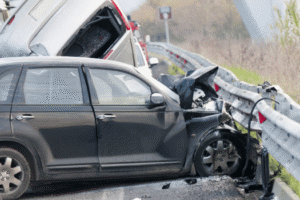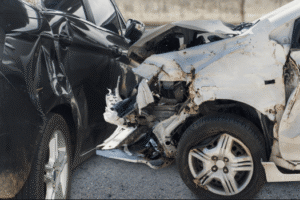


If an insurance adjuster told you the crash was your fault, or your payout stalled under “disputed liability,” your case isn’t over — it’s contested. A disputed liability car accident claim in Las Vegas means the insurer or the other driver is fighting over who caused the wreck, almost always to pay you less or nothing at all.
Here’s what matters: in Nevada, fault is decided by evidence and percentages, not by whatever an adjuster decides to assert over the phone. A denial is an opening position, not a final ruling. Knowing how that position gets built — and taken apart — is the difference between walking away with nothing and recovering what your injuries are actually worth.
What “disputed liability” actually means in a Nevada car accident claim
Liability is just a legal word for fault. When liability is disputed, the other side won’t accept responsibility for the crash. That can look like a few different things:
- The other driver’s insurer denies their driver did anything wrong.
- The adjuster admits the crash happened but claims you were mostly or partly to blame.
- Two insurers point fingers at each other while your claim sits unpaid.
- The insurer accepts some fault but assigns you a percentage high enough to slash your payout.
A disputed claim doesn’t mean you lose. It means fault has to be proven rather than assumed — and Nevada law gives you a clear path to prove it.
Why insurance companies dispute liability
Disputing fault is a strategy, not an accident. Every percentage of blame an insurer can pin on you is money it doesn’t have to pay. On a serious injury claim, shifting even a slice of fault onto the injured driver can cut a settlement by thousands.
Adjusters know Nevada’s fault rules cold, and they use them. They’ll seize on anything — a few miles over the limit, a lane change, a “sorry” you said at the scene — to argue you share the blame. It isn’t personal. It’s how the business protects its margins.
Glen Howard spent years on the other side of this, defending insurance companies against injury claims. He knows how a fault dispute gets built because he used to build them. That’s the perspective an injured Las Vegas driver wants in their corner when an insurer starts assigning blame.
How Nevada decides fault when it’s contested
Nevada follows a rule called modified comparative negligence (NRS 41.141). In plain terms: you can still recover money even if you were partly at fault for the crash — as long as your share of fault is 50% or less. Your compensation is then reduced by your percentage of blame.
A quick example. If your claim is worth $100,000 and you’re found 20% at fault, you recover $80,000. But cross the line to 51% or more at fault, and you recover nothing — no matter how badly you were hurt.
That threshold is exactly why insurers fight so hard to inflate your fault percentage. Every point they add pushes you closer to the cutoff. We break down the full rule in our guide to comparative negligence in Nevada, and how blame gets assigned in the first place in how fault is determined in a Nevada car accident. Every case turns on its own facts, so treat these as general guidance and talk to an attorney about your specific crash.

Las Vegas crashes where fault gets disputed most
Some collisions are almost always contested because there’s no clean way to assign blame at the scene. A few we see constantly:
- Unprotected left turns at busy intersections. When someone turning left collides with oncoming traffic, both drivers often claim the light was theirs. These come down to timing, witnesses, and signal data.
- Lane-change and merge crashes on the Strip and I-15. In stop-and-go tourist traffic, sideswipes turn into he-said/she-said over who drifted. Nobody admits leaving their lane.
- Chain-reaction freeway pileups. On stretches like the Spaghetti Bowl where I-15 meets US-95, one hard stop can trigger a multi-car crash, and every insurer involved tries to push fault onto someone else.
- No-witness collisions. When it’s your word against theirs with no camera and no bystander, insurers treat that gap as room to argue.
If your crash looks like one of these, expect a fight over fault — and expect to need real evidence to win it.
How fault gets proven when the other driver denies it
A denial doesn’t stand up on its own. Fault in a contested Nevada claim gets proven with evidence, and the stronger that evidence, the harder it is for an adjuster to hold their position. What actually moves the needle:
- The police report and any citations issued at the scene.
- Independent witness statements from people with no stake in the outcome.
- Camera footage — traffic cameras, nearby business security, doorbell cams, or a dashcam.
- Vehicle “black box” data showing speed, braking, and steering in the seconds before impact.
- Accident reconstruction experts who can show how a crash physically had to happen.
Most of this evidence has a shelf life. Footage gets overwritten, skid marks fade, and memories blur. Acting quickly is what preserves it. Our breakdown of the evidence you need for a car accident injury claim covers what to lock down and how.
What to do if the insurer says the accident was your fault
Being blamed doesn’t make it true. If an adjuster tells you the crash was your fault, protect yourself:
- Don’t accept their fault determination as final. It’s a negotiating position.
- Don’t give a recorded statement or guess at facts before you understand your rights — adjusters use those words to build the fault case against you.
- Don’t sign anything or accept a fast lowball offer made “because liability is unclear.”
- Do save everything — photos, the crash report, medical records, and the names of anyone who saw it.
What you say to the insurance company matters enormously when fault is contested. Our guide on how to deal with an insurance adjuster walks through the traps to avoid.
How a Las Vegas car accident lawyer overcomes a disputed-liability claim
When liability is disputed, an experienced Las Vegas car accident lawyer does the work an adjuster is betting you won’t: pulls the footage before it’s erased, tracks down witnesses, secures the black-box data, and brings in reconstruction experts when a crash needs one. The goal is straightforward — keep your fault percentage as low as the facts allow, because under Nevada law that percentage directly controls what you recover.
A firm that understands how insurers think has an edge here. Glen Howard built his career defending these companies before he started fighting them, so Howard Injury Law attacks a disputed claim knowing exactly where the other side is vulnerable. And because the firm works on contingency, there’s no fee unless we win your case — you don’t pay out of pocket to fight the dispute.
Frequently Asked Questions
What does it mean if liability is disputed?
Disputed liability means the other side won’t accept fault for the crash. The other driver’s insurer might deny their driver caused it, claim you were partly or mostly to blame, or blame a third party. In a disputed liability car accident claim, fault has to be proven with evidence — a police report, witnesses, footage, or crash data — rather than simply assumed. A dispute isn’t a denial you have to accept. It’s the start of a negotiation, and a strong evidence file is what settles it in your favor.
What happens if the insurance company says the accident was my fault?
An adjuster telling you the crash was your fault is stating a position, not a verdict. Nevada decides fault by evidence and percentages under NRS 41.141, and you can still recover as long as you’re 50% or less to blame. Don’t accept the insurer’s determination, give a recorded statement, or sign anything before you understand your rights. Preserve your evidence and speak with a Nevada attorney — a contested fault call can often be reduced or reversed once the facts come out.
Can I still get a settlement if I was partly at fault in Nevada?
Yes. Under Nevada’s modified comparative negligence rule, you can recover compensation as long as your share of fault is 50% or less. Your award is reduced by your fault percentage — 25% at fault on a $100,000 claim means $75,000. But at 51% or more, recovery is barred entirely. That cutoff is why insurers work to inflate your percentage, and why keeping it accurate matters. See our full explainer on comparative negligence in Nevada for how the math works.
What should I not say to the insurance company after a disputed accident?
Avoid apologizing, guessing about speed or distance, admitting any fault, or giving a recorded statement before you’ve talked to a lawyer. Adjusters use those words to build the fault case against you. Stick to the basic facts and decline to speculate. Our guide on how to deal with an insurance adjuster covers exactly what to say and what to hold back.
How do I prove the other driver was at fault?
Fault gets proven with objective evidence: the police report, independent witnesses, traffic or security camera footage, dashcam video, vehicle black-box data, and sometimes an accident reconstruction expert. The sooner it’s collected, the better — footage is overwritten and physical evidence fades fast. Our guide to the evidence you need for a car accident injury claim breaks down what to preserve.
What’s the average car accident settlement in Las Vegas?
There’s no single number — settlements swing widely based on injury severity, medical costs, lost income, and how fault is assigned. When liability is disputed, your fault percentage directly reduces the payout, which makes an accurate fault call critical. For a fuller look at typical ranges and what drives them, see what the average car accident settlement in Las Vegas looks like and how much your car accident case is worth.
Being blamed doesn’t mean you’re out of options
If an insurer is pinning the crash on you, the worst thing you can do is assume the case is lost and walk away. A disputed liability claim is winnable — it just has to be proven, and proof has a deadline.
Talk to Howard Injury Law before you give a statement or accept any offer. We’ll review what happened, tell you honestly whether you have a case even though they’re blaming you, and start preserving the evidence that fixes your fault percentage. The consultation is free, and there’s no fee unless we win.
Call (702) 331-5722 or request your free case review today — the sooner we start, the more evidence there is to save.