

The evidence you preserve in the first 48 hours after a Las Vegas car accident directly determines what your case is worth. Most people don’t know what to gather — or that the window to gather it is already closing. Our car accident attorneys in Las Vegas move immediately to lock in evidence before it disappears.
We understand evidence disappears fast, insurance companies move quickly, and you’re dealing with confusion, pain, and stress. All of that blurs the line on knowing what to do next. You may also be wondering, “What evidence do I need for a car accident injury claim?” The truth is, the quality and completeness of the evidence you gather after a crash will make or break your case.
At Howard Injury Law, we empower Nevada accident victims by helping to preserve critical evidence — including traffic camera footage and witness statements — before it disappears so they’re in the strongest position to win the maximum compensation they deserve

Time-Sensitive Evidence in Las Vegas Crashes
Las Vegas is one of the most camera-dense cities in the world — which works in your favor, but only if you act fast.
Surveillance footage. Casino cameras, hotel security systems, traffic signal cameras, and private business cameras capture what happened at and near your crash. Most systems overwrite footage on a 24 to 72-hour cycle. Once it’s gone, it’s gone. We send legal preservation letters to every relevant property immediately.
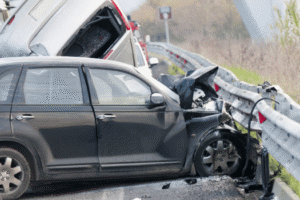
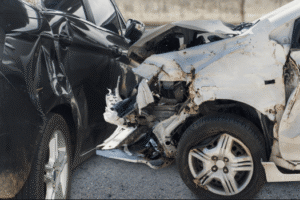
Skid marks and physical evidence. Road debris, skid marks, and vehicle debris tell the story of how a crash unfolded. Traffic control and road cleanup crews work fast in Las Vegas. Within hours of a crash, the physical evidence at the scene may already be gone.
Black box data. Event Data Recorders in modern vehicles capture speed, braking, steering, throttle position, and seatbelt status in the five seconds before impact. That data is accessible and legally subpoenable — but only if you move before it gets overwritten or the vehicle is repaired or totaled.
Witness contact information. Witnesses at crash scenes in Las Vegas are often tourists who leave the city within 24 to 48 hours. Getting their contact information at the scene — or shortly after — is critical. Once they’re gone, tracking them down becomes exponentially harder.
Common Evidence Mistakes That Hurt Your Claim
Gathering the right evidence matters. So does avoiding actions that damage your own case.
Giving a recorded statement. The insurance adjuster’s call feels routine. It isn’t. A recorded statement is a legal document that gets used against you. Do not give one without speaking to an attorney first.
Posting on social media. Photos from the day of your crash, check-ins, activity tags, or any post suggesting you’re doing fine after the accident will be screenshotted and presented as evidence that your injuries aren’t serious. Go dark on social media from the moment of the crash until your case is resolved.
Gaps in medical treatment. Every week you skip a follow-up appointment, the insurer’s narrative gets stronger. “If they were really hurt, they would have kept seeing their doctor.” Stay consistent with your treatment and document every appointment.
Accepting the first settlement offer. The first offer is almost never the right number. It’s a test to see if you’ll take the easy exit. Get legal advice before signing anything.
Why Evidence Is Everything in a Car Accident Injury Claim
In Nevada, and throughout the U.S., proving fault and damages is at the heart of any car accident injury claim. Insurance adjusters and courts rely on your evidence to decide:
- Who caused the accident
- How the accident happened
- What injuries you suffered
- The impact on your life and finances
Without strong evidence, even a clear-cut claim can be denied or drastically undervalued. Here’s everything you should know—and gather—to build a rock-solid injury claim.
Learn about Nevada’s statute of limitations for injury claims →
How HIL Gathers Evidence on Your Behalf
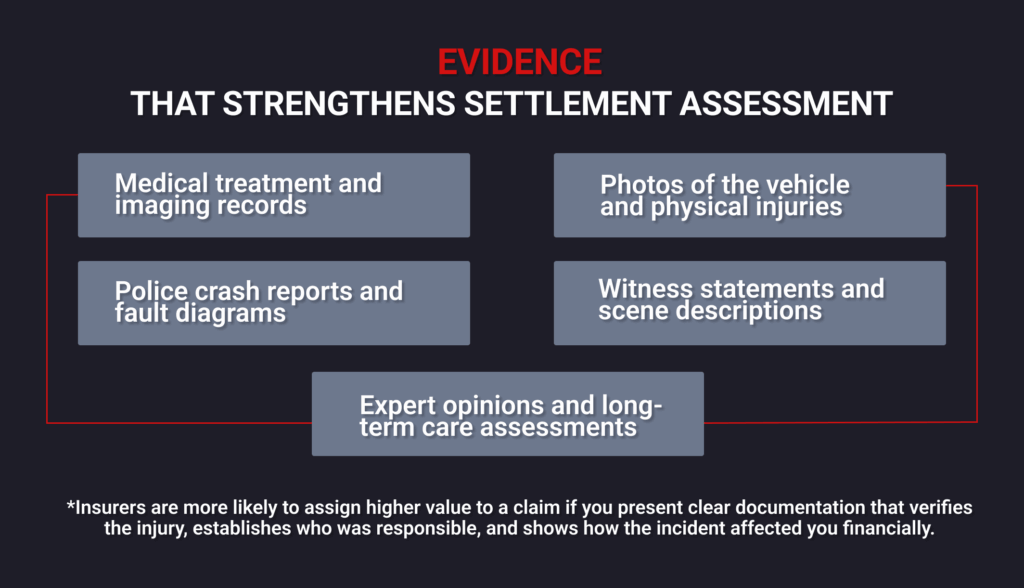
Send preservation letters to all surveillance sources within the crash zone. Obtain the full police report and review it for accuracy. Subpoena black box data from all involved vehicles. Identify and contact witnesses before they leave the area. Retain accident reconstruction experts when fault is disputed. Request all medical records and imaging to build a complete injury timeline.
You focus on recovering. We build the case.
1. Police Reports: The Foundation of Your Claim
One of the first, most important documents is the police report. Law enforcement typically responds to serious accidents and, on-site, they document:
- Their observations of the vehicles and scene
- Statements from involved drivers, passengers, and witnesses
- Weather, road, and traffic conditions
- Noted violations of traffic laws or negligence
- The officer’s assessment of fault
Why it matters:
Police reports carry significant weight with insurance companies and courts. If the officer’s findings support your case—for example, by citing the other driver for speeding or reckless driving—it becomes much easier to prove you weren’t at fault.
Tip: Never skip calling the police after an accident, even if the other party tries to persuade you otherwise.
2. Medical Records & Treatment Documentation
Your medical records are critical not just for your health, but as evidence linking your injuries to the crash. These include:
- Emergency room and hospital visit notes
- Records of all doctor visits, diagnostics, tests, and prescribed treatments
- Detailed descriptions of injuries, symptoms, and the medical opinion on causation
- Physical therapy, chiropractic, or specialist reports
- Prescriptions, surgery summaries, and rehabilitation progress
Prompt Treatment Proves Your Case:
Seeking care immediately after your accident establishes a clear timeline between the incident and your injuries. Delays in seeking treatment can jeopardize your case—insurers may argue your injuries weren’t caused by the accident or were less severe.
3. Photos and Videos
A picture really is worth a thousand words. Visual proof tells the story. Use your phone, or ask a witness, to capture:
- Damage to all vehicles involved
- The car accident scene from multiple angles
- Skid marks, debris, traffic signals, and weather or lighting conditions
- Your visible injuries (bruising, lacerations, swelling, casts, etc.)
- Surrounding area, including crosswalks, intersections, or hazards
Even if you couldn’t take pictures at the scene, returning later to photograph the area can still help provide crucial context.
Video footage from dashcams, bystanders, or nearby businesses can be invaluable—your attorney can help request and preserve such evidence before it’s erased.
4. Physical Evidence & Vehicle Damage
Physical evidence corroborates your account and can include:
- Vehicle damage and debris patterns
- Skid marks and road surface conditions
- Broken glass, vehicle parts, or debris
- Personal property damaged in the crash (such as cell phones, car seats, or bicycles)
Keep records of any repairs or vehicle appraisals—these documents demonstrate the severity and impact of the crash.
5. Eyewitness Statements
Eyewitness accounts can tip the scales in your favor, especially if they are neutral third parties with no stake in the outcome.
- Get names and contact information at the scene.
- Note their statements if possible, but don’t pressure anyone.
- Your attorney will follow up to obtain formal written or recorded statements.
Courts often give great weight to credible witnesses whose observations match your own account or fill in missing details.
6. Employment and Income Documentation
To claim compensation for lost wages or diminished earning capacity, be ready to provide:
- Recent pay stubs or W-2 forms
- Tax returns (especially for self-employed or freelance workers)
- Employer verification of missed work or reduced duties
- Documentation of lost gigs, projects, or commissions
7. Accident and Insurance Documentation
- The police accident report (“AR Number” in Nevada)
- Your insurance claim number and correspondences
- Information exchanged at the scene (driver’s license, insurance, registration)
- Letters/communications from insurers, adjusters, or opposing attorneys
Never give a recorded statement to the other driver’s insurance company without speaking with your lawyer first—they may try to use your words against you.
8. Timeline, Journal, and Personal Notes
Start a journal as soon as possible after your accident. Record daily:
- Symptoms and pain level
- Limitations on daily life or activities
- Missed events or family obligations
- Emotional impacts (anxiety, nightmares, depression)
This diary can paint a powerful, human picture of your suffering and losses for insurance adjusters or a jury.
What to Do Immediately After a Car Accident in Nevada
- Check for injuries and call 911.
- Move to safety if possible and exchange information.
- Request a police report at the scene.
- Take photos and collect contact info from witnesses.
- Seek medical attention ASAP—even if you feel “okay.”
- File your insurance claim promptly.
- Contact Howard Injury Law for guidance and representation.
Learn what steps to take after a crash →
Frequently Asked Questions
How important is a police report in a car accident case?
A police report is extremely important—it provides a third-party, unbiased account and can strongly support your version of events.
Why are photos and videos crucial?
Photos and videos document vehicle damage, injuries, road conditions, and more, providing irrefutable visual evidence that helps prove your claim.
How can a car accident lawyer help?
An experienced car accident attorney can investigate further, obtain and organize evidence, handle insurance negotiations, guide you through legal pitfalls, and fight to maximize your compensation.
How soon should I file my claim?
The sooner, the better—evidence disappears quickly and Nevada’s statute of limitations is usually two years. Acting fast preserves crucial proof and speeds up your injury claim.
Evidence Disappears Fast — Don’t Wait
Talk to a Las Vegas car accident lawyer at Howard Injury Law today. The sooner we’re involved, the stronger your case — free consultation, 24/7, no fees unless we win.
Why Choose Howard Injury Law if You’ve Been Injured in Las Vegas
Navigating Nevada’s legal system after a crash can be overwhelming. Howard Injury Law is here to:
- Collect and preserve every piece of evidence needed for your claim
- Connect you with medical providers who document injuries properly
- Negotiate assertively with insurers for full, fair compensation
- Keep you informed and supported, every step of the way
We work on a contingency basis—no fees unless we win for you!

Contact Howard Injury Law Today
If you’re struggling to gather the right evidence for your car accident injury claim, don’t go at it alone. At Howard Injury Law, we expertly guide you through the legal process as your dedicated personal injury lawyer in Las Vegas. From the initial FREE consultation to the resolution of your case, our experienced car accident attorneys or personal injury lawyers serve Nevada, California, Colorado, and Arizona, and are committed to providing comprehensive support and representation. We understand the complexities and challenges that come with personal injury claims, and we’re here to ensure that your rights are protected every step of the way. Call or fill out our free online form!
Free Consultation with Howard Injury Law:
📲 (702) 331-5722
🗣 Se Habla Español
🗣 Wǒmen shuō pǔtōnghuà hé yuèyǔ
📱 Follow us on Instagram, Facebook, TikTok, or X for ongoing news and personal injury safety tips.