


If you ride in Las Vegas, a certified safety course is one of the smartest moves you can make — it sharpens your skills, and in Nevada it can even waive your DMV riding test. This guide covers where to take one locally, what it does for you, and what your options are if a negligent driver hits you despite doing everything right.
Glen Howard has represented injured riders in Las Vegas for over 20 years, and after years on the insurance-defense side, he’s seen how often careful, trained riders still get blamed for crashes that weren’t their fault. Safety comes first — but knowing your rights is part of riding smart, too.
Where to Take a Motorcycle Safety Course in Las Vegas
Nevada makes this easy. The state runs the Nevada Rider Motorcycle Safety Program, which coordinates certified Motorcycle Safety Foundation (MSF) courses across the valley. Around Las Vegas and Henderson, you can train through the College of Southern Nevada and local Harley-Davidson locations.
The Basic RiderCourse (for new riders)
The Basic RiderCourse (BRC) is the standard entry point. The College of Southern Nevada motorcycle program runs it at its Sahara West and Charleston campuses, and here’s the part most new riders don’t realize: completing it earns a card the Nevada DMV accepts in place of the on-cycle skills test for your motorcycle endorsement. Tuition runs around $155, and training motorcycles and helmets are provided — you just bring sturdy footwear, long pants, gloves, and eye protection. Check the provider for current pricing and schedules, since both change.
Local BRC providers include:
- College of Southern Nevada (CSN) — Sahara West and Charleston campuses
- Las Vegas Harley-Davidson
- Henderson Harley-Davidson
- Red Rock Harley-Davidson
Courses for experienced riders
Already riding? The Basic RiderCourse 2 and the Advanced RiderCourse are built for you. They’re one-day sessions on your own street-legal motorcycle that sharpen braking, cornering, and hazard response — the skills that matter most when a driver on the Strip does something unpredictable.
The online eCourse
Most in-person courses pair with the MSF eCourse, a roughly five-hour online module you complete before your riding days. It covers fundamentals, risk management, and traffic laws so you show up to the range ready to ride.
What a Safety Course Actually Does for You
Beyond the DMV waiver, a certified course pays off in ways that matter on real roads:
- Sharper crash-avoidance skills — emergency braking, swerving, and cornering drilled until they’re reflex.
- Better hazard awareness — learning to read drivers and road conditions before they become a problem.
- Possible insurance savings — some carriers offer a discount for completing a certified course, so it’s worth asking yours.
- Confidence — newer riders leave calmer and more in control, which itself lowers risk.

Why Las Vegas Roads Demand Extra Caution
Even a skilled, trained rider faces real danger here, because the biggest threat isn’t your skill — it’s the driver who doesn’t see you. Tourist-heavy traffic on the Strip, drivers unfamiliar with the roads, and busy corridors like Sahara Avenue, Tropicana, and the 215 Beltway all raise the odds of a left-turning car crossing a motorcyclist’s path — the single most common way riders get hit.
That’s why defensive riding and visibility matter so much, and why it helps to know where motorcycle crashes happen most in Las Vegas. Nevada also prohibits lane splitting and requires every rider to wear a DOT-approved helmet, both of which factor into how a crash gets judged later.
When You Do Everything Right and Still Get Hit
Here’s the hard truth a safety course can’t fix: you can take every class, wear full gear, and ride defensively, and a distracted driver can still turn left in front of you. When that happens, insurers often fall back on the same assumption — that the rider must have been reckless — and use it to pay you less.
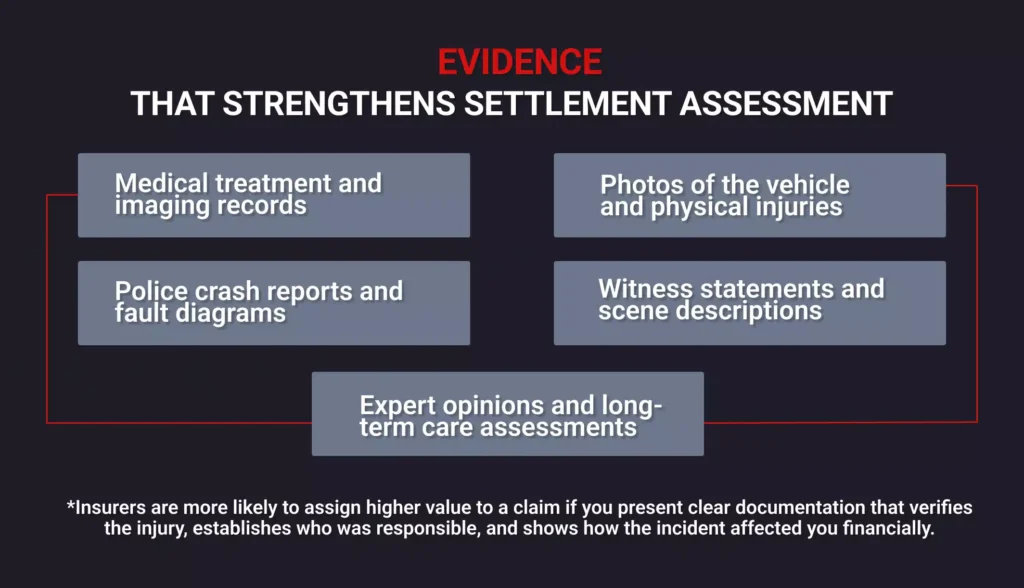
That’s where doing everything right actually pays off. Your training, your gear, and your record become evidence that you were the responsible one. Knowing what evidence proves a motorcycle accident claim — and how to choose a lawyer who fights rider bias — is the difference between a fair outcome and a lowball. A motorcycle crash is part of the broader motor vehicle accident claims our team handles, and injured riders are exactly who we represent.
Frequently Asked Questions
Is a motorcycle safety course required to get licensed in Nevada?
It isn’t strictly required, but it’s the easier path. New riders can either take the DMV’s tests directly or complete a certified Basic RiderCourse, which in Nevada earns a completion card the DMV accepts in place of the on-cycle skills test. Most riders find the course route faster and less stressful, since you learn and get evaluated in a controlled setting on a provided motorcycle rather than testing cold at the DMV. You still need a valid instruction permit and to meet the age requirements. Because rules and requirements change, confirm the current process with the Nevada DMV or your course provider before you enroll.
Does the CSN course waive the DMV riding test?
Yes. When you complete the College of Southern Nevada Basic RiderCourse and pass its written and riding evaluations, you receive a completion card that the Nevada DMV accepts as a skills-test waiver. You take that card to any DMV office to add the motorcycle (M-class) endorsement to your license, without having to perform the on-cycle test at the DMV itself. It’s one of the main reasons the CSN program fills up. Keep in mind you have to attend every session and pass both evaluations — there’s no partial credit — so plan for the full course.
Will a safety course lower my motorcycle insurance?
Sometimes. A number of insurers offer a discount to riders who complete a certified MSF safety course, since trained riders tend to file fewer claims. The amount varies by company and policy, so the only way to know is to ask your carrier directly whether they recognize the specific course you took. Even where the discount is modest, the skills you gain — and the DMV waiver — usually make the course worth it on their own. If you’re ever in a crash, having completed certified training can also quietly support the picture of you as a careful, responsible rider.

Talk to a Las Vegas Motorcycle Accident Lawyer
Take the course, wear the gear, ride smart — and if a negligent driver hits you anyway, don’t let an insurer rewrite what happened. The sooner you talk to a lawyer, the more of your evidence and your options stay protected.
At Howard Injury Law, Glen Howard personally handles bodily injury cases and uses his insurance-defense background to get ahead of the tactics used against riders, all on a no-win, no-fee basis. Call our Las Vegas motorcycle accident attorneys at (702) 331-5722 or request a free case review — ride safe, and know we’re here if you ever need us.