


A tailgater rode your bumper down I-15, then slammed into you the second traffic slowed. Now your neck is stiffening, the other driver is blaming you, and you’re wondering whether a crash like this is even provable. It usually is — and in Nevada, the law tends to land squarely on the driver who was following too closely.
This guide breaks down who’s at fault in a tailgating accident, what to do in the minutes and days after, and how the insurance company will try to shift blame back onto you. If you were hurt in a rear-end crash anywhere around Las Vegas, knowing these rules early protects both your health and your claim.
Is Tailgating Against the Law in Nevada?
Yes. Under Nevada law (NRS 484B.127), a driver cannot follow another vehicle more closely than is “reasonable and prudent” for the speed, traffic, and road conditions. In plain terms: every driver has a legal duty to leave enough room to stop safely if the car ahead brakes.
That matters for your injury claim. When a driver breaks a specific safety law and causes a crash, that violation is strong evidence of fault — lawyers call it negligence per se. A tailgater who rear-ends you didn’t just make a mistake; they broke a traffic law written to prevent exactly this kind of collision. Tailgating can also draw a citation, a fine, and demerit points, and that citation can become useful proof in your case.
Who’s at Fault When a Tailgater Rear-Ends You?
In most rear-end crashes, the rear driver is at fault. It’s their job to keep a safe following distance and stay ready to stop, so when they hit the car in front, the responsibility almost always falls on them. Nevada courts and insurers start from that same assumption.
“Almost always” is not “always,” though. A rear driver can push some blame onto the lead driver in specific situations — for example, if the front car had broken brake lights, cut in and stopped abruptly with no room, or reversed into them. Those exceptions are narrow, and they’re exactly where insurance adjusters go digging.
That’s why fault in a tailgating case can get more complicated than it first looks. The insurer’s goal is to pin part of the blame on you, because under Nevada’s comparative negligence rule, every percentage of fault they shift lowers what they pay. We cover how that math works in detail in our breakdown of how fault is determined in a Nevada car accident — the short version is that even a strong rear-end claim needs to be protected from a blame-shifting insurer.
What to Do After a Tailgating Accident in Las Vegas
What you do in the first hour shapes how strong your claim is later. If you’re able to, work through these steps:
- Get to safety and check for injuries. Move out of live lanes if the cars are drivable — the merge points on the 215 Beltway and US-95 are no place to stand next to a damaged car.
- Photograph everything. The damage to both vehicles, the positions, skid marks, the intersection or mile marker, and any visible injuries. Rear-end damage patterns often tell the story on their own.
- Get names and contacts. The other driver’s info, insurance, and — critically — any witnesses. A neutral witness who saw the tailgating is powerful.
- Don’t admit fault or downplay your injuries. A polite “I’m fine” at the scene gets quoted back to you weeks later when your neck is worse. Say as little as possible about fault.
- See a doctor quickly. Whiplash and soft-tissue injuries often don’t fully surface for a day or two. A prompt medical record ties your injuries to the crash and closes a door the insurer likes to use.
Should You Call the Police After a Tailgating Crash?
Yes — call the police, especially if anyone is injured. An officer’s report creates an independent record of what happened, and if the officer cites the other driver for following too closely, that citation becomes strong evidence of fault. In Las Vegas, you can call Metro’s non-emergency line for a minor crash, or 911 if there are injuries or the roadway is blocked. Even when the other driver begs you to “keep it off the record,” an official report protects you far more than it protects them. If they refuse to wait or drive off, that’s closer to a hit-and-run — get the plate and report it.
Common Injuries From Rear-End Tailgating Crashes
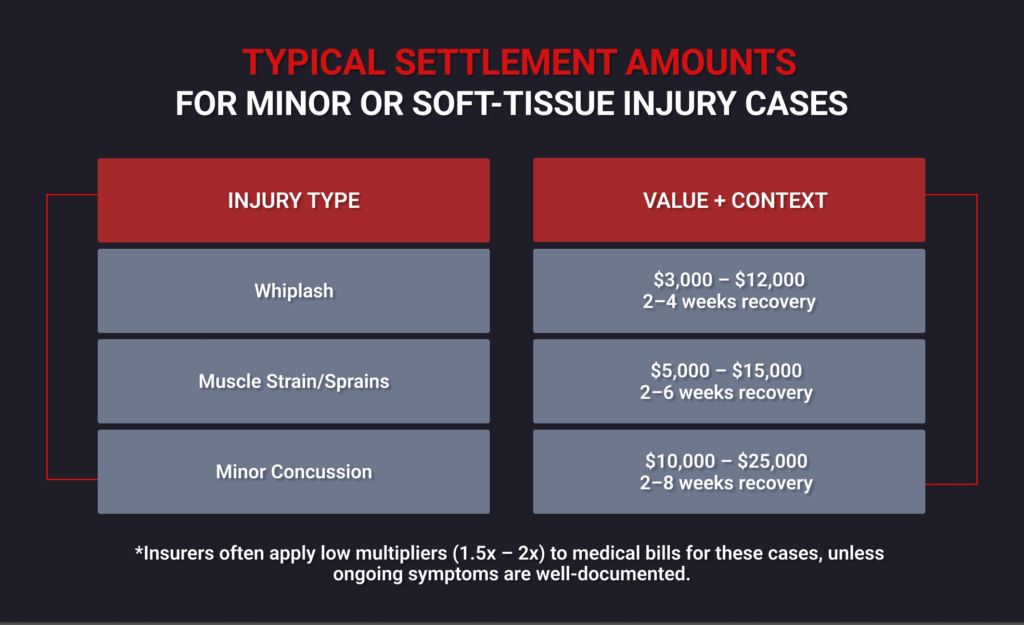
Even a low-speed tailgating crash can cause real, lasting injuries because your body gets snapped forward and back in an instant. The most common include whiplash, neck and back strain, herniated discs, and concussions.
These injuries are easy for an insurer to minimize precisely because they don’t always show on the first X-ray. If you’re dealing with lingering neck or back pain, our guides on whiplash and back pain after a Las Vegas car accident and rear-end collision disk herniation claims go deeper on how these cases are proven and valued. The takeaway: document your symptoms and follow through on treatment, because a gap in care is the first thing the other side points to.
What If You Were Pushed Into the Car Ahead?
Tailgating crashes often trigger chain reactions — you get rear-ended, and the force shoves you into the vehicle in front of you. If that happens, you’re generally not at fault for the second impact; the driver who hit you set the whole thing in motion. These multi-car situations get tangled fast because several insurers start pointing fingers. Our page on multi-vehicle accidents in Las Vegas explains how liability gets sorted when more than two cars are involved.
How Long Do You Have to File a Claim in Nevada?
In most Nevada car accident cases, you have two years from the date of the crash to file a personal injury lawsuit. That sounds like plenty of time, but evidence fades fast — witnesses forget, vehicles get repaired, and camera footage gets overwritten. The sooner your rear-end accident claim is documented and underway, the stronger it stays. Every case is different, so if you’re unsure where your deadline falls, talk to a lawyer before assuming you have time.
Frequently Asked Questions
Who is at fault for tailgating?
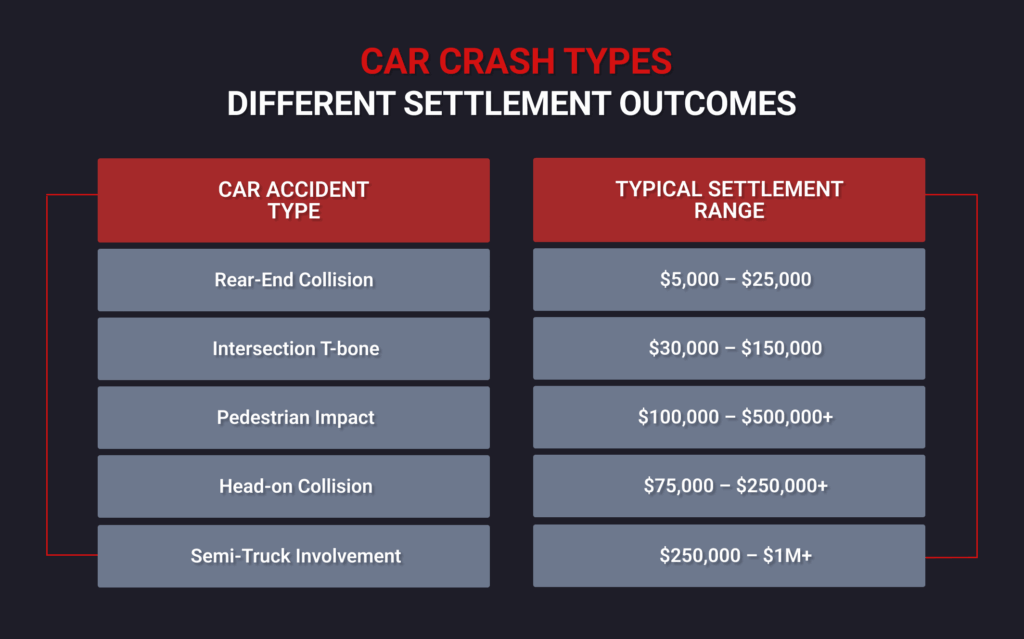
The driver who was tailgating is almost always at fault. Nevada law (NRS 484B.127) requires every driver to keep a safe, reasonable following distance, so a driver who follows too closely and rear-ends the car ahead has broken that duty. That makes their violation strong evidence of fault. There are limited exceptions — for instance, if the lead driver had broken brake lights or reversed suddenly — but those are narrow and hard for the rear driver to prove. In practice, insurers start from the assumption that the tailgater is responsible, which is why these claims are often more clear-cut than other crash types.
Can you call the cops on a tailgater?
Yes. If a tailgater actually hits you, call the police so an officer can document the crash and, if warranted, cite the other driver for following too closely. If you’re being aggressively tailgated but haven’t been hit, you can still report dangerous driving to Las Vegas Metro’s non-emergency line — don’t try to “brake-check” the tailgater, since that can shift blame onto you if a crash follows. After a collision, a police report is one of the most valuable pieces of evidence you can have, because it creates a neutral, official account before anyone’s story changes.
What happens if a tailgater hits you?
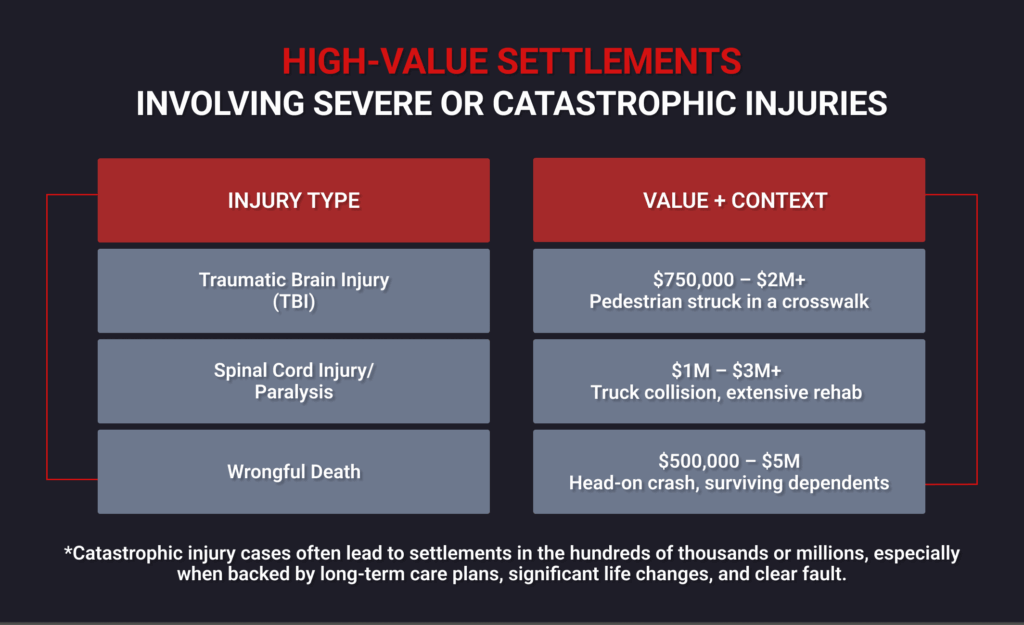
You’re generally entitled to pursue compensation from the at-fault driver for your medical bills, lost income, vehicle damage, and pain and suffering. The process starts with documenting the scene, getting medical care, and reporting the crash. The other driver’s insurer will then investigate — and often try to argue you share some blame to reduce the payout. Because the rear driver is usually at fault in these crashes, you often have a strong claim, but how much you recover depends on your injuries, the evidence, and how well your claim is protected from the insurer’s tactics. Talking to a lawyer early keeps small missteps from costing you later.
Rear-Ended by a Tailgater? Talk to a Lawyer Who Knows the Other Side
If a tailgater hurt you, you shouldn’t have to fight the insurance company alone while you’re trying to heal. Howard Injury Law was founded by attorney Glen Howard, who spent years as an insurance defense attorney — he knows exactly how the other side builds a case to shift blame and shrink your payout, because he used to do it. Now he uses that playbook for injured Las Vegas drivers instead of against them.
The consultation is free, and you pay nothing unless we win your case. If you’re not sure whether you have a claim, that’s the right question to bring us — call (702) 331-5722 or request a free case review