

You trusted a surgical team with a planned procedure, and your loved one came out of the operating room changed — confused, unable to hold a memory, or slow to wake in ways no one prepared you for. Surgical oxygen deprivation is one of the reasons that happens, and it is not always an unavoidable risk of surgery.
If you are reading this in a Las Vegas hospital hallway or a recovery room, you are probably stuck on one question: was this a known complication, or did someone make a mistake? That question is fair, and asking it does not mean you are overreacting. Below is a plain explanation of what surgical oxygen deprivation is, why it happens, the warning signs, what recovery can look like, and how Nevada law treats it when a preventable error is to blame.
What Is Surgical Oxygen Deprivation?
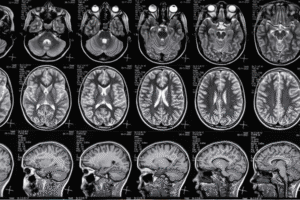
Surgical oxygen deprivation happens when the body — and especially the brain — does not get enough oxygen during an operation or in the hours right after it. Doctors call it intraoperative hypoxia when it occurs during surgery and postoperative hypoxia when it happens in recovery. The brain is the most oxygen-hungry organ you have, which is why even a short interruption can cause lasting harm.
You may see two terms used. A hypoxic injury means the brain got some oxygen, but not enough. An anoxic injury means the supply was cut off almost entirely. Both can damage brain tissue, and both are often described together as hypoxic-ischemic injury when reduced blood flow is also involved.
This is different from oxygen loss that happens to a baby during labor and delivery, which is its own situation — we cover that separately in oxygen deprivation at birth. This article is about adults and older patients undergoing surgery.
What Causes a Lack of Oxygen During Surgery?
Most surgeries go exactly as planned. When oxygen levels drop dangerously, it usually traces back to one of a handful of failures — some unavoidable, some not:
- Airway and breathing-tube problems — a breathing tube placed in the esophagus instead of the airway, a tube that slips or becomes blocked, or a difficult airway that is not managed quickly.
- Blood loss and low blood pressure — significant bleeding or a sudden drop in blood pressure reduces oxygen-rich blood reaching the brain.
- Cardiac events during surgery — an irregular heartbeat or cardiac arrest can interrupt circulation.
- Equipment failure — a malfunctioning ventilator or oxygen delivery system.
- Aspiration — stomach contents entering the lungs and blocking oxygen exchange.
- A drop that no one catches in time — monitors show falling oxygen saturation, but the team does not respond fast enough.
Medication and anesthesia mistakes belong on this list too, but they are their own subject. If you believe the anesthesia provider was the problem, read our breakdown of anesthesia errors and brain damage for how those specific failures happen and who is responsible.
Warning Signs of Oxygen Deprivation After Surgery
During surgery, the team should catch falling oxygen on the monitors. Families usually notice the aftermath — in the recovery room or in the days that follow. Watch for:
- Unusual confusion or disorientation that does not clear as anesthesia wears off
- Memory gaps or trouble concentrating
- Difficulty speaking, moving, or coordinating
- Seizures
- Vision changes
- Personality or mood shifts that are out of character
- Not waking normally, extreme drowsiness, or, in severe cases, coma
Some of these can have other explanations, so noticing them does not automatically mean oxygen loss occurred. But a cluster of them after a routine procedure is worth taking seriously — and worth documenting in writing, with dates, while it is fresh.
The Stages of Oxygen Deprivation and the Brain
Oxygen deprivation is best understood as a spectrum tied to time. Brain cells can begin to die within just a few minutes — often cited as around four to five minutes — without adequate oxygen, which is why the response speed of the surgical team matters so much.
At the mild end, a brief shortage may cause temporary confusion, headache, or difficulty concentrating that improves. As the shortage lengthens or deepens, the injury becomes moderate: more pronounced cognitive and physical effects that may partly recover with treatment. Severe or prolonged deprivation — full anoxia — can cause permanent hypoxic-ischemic brain injury, coma, or death. The longer the brain goes without oxygen, the more the damage tends to move from reversible to permanent.
How Long Does Low Oxygen Last, and Can You Recover?
In normal recovery, oxygen levels are monitored and supported until they stabilize, and brief dips are common and corrected quickly. The concern is a drop that is deep, prolonged, or missed. When that happens, the effects depend almost entirely on how long the brain was starved and how severe the shortage was.
Recovery is genuinely variable. Some patients with a mild, brief episode regain most or all function. Others face months or years of rehabilitation — physical therapy, occupational therapy, speech therapy, and cognitive therapy — and some need long-term or lifetime care. No honest lawyer or doctor can promise a specific outcome, because two patients with similar events can recover very differently. What matters for a legal claim is not just the severity, but whether the deprivation should have been prevented or stopped sooner.
When Surgical Oxygen Deprivation Is Medical Malpractice
Here is the line families struggle with most: a bad result is not the same as malpractice. Surgery carries real risks, and sometimes a complication happens even when everyone does their job well. Malpractice means a provider fell below the accepted standard of care — the level of skill a competent provider would have used in the same situation — and that failure caused the harm.
With surgical oxygen deprivation, that often looks like an airway that was mismanaged, a monitor alarm that went unanswered, or a decline that the team failed to recognize and treat. If you are unsure which side of the line your situation falls on, we walk through it in how to tell a bad outcome from malpractice and what counts as medical malpractice in Nevada.
Nevada also makes these cases hard to file on your own. Before a professional negligence lawsuit can move forward, state law generally requires an affidavit of merit from a qualified medical expert confirming that a provider likely breached the standard of care. That expert review costs money up front, which is one reason many families do not pursue valid claims — and one reason it helps to work with a firm that advances those costs. Every case is different, so treat this as general information and talk to a Nevada attorney about your specific facts.
What Las Vegas Families Can Do Next
If you suspect a surgery at a hospital or outpatient center in the Las Vegas Valley led to oxygen deprivation, a few steps protect you:
- Request the full medical records — operative notes, anesthesia records, and monitoring data — in writing.
- Write down what you witnessed and when, including what staff told you.
- Mind the clock. Nevada gives you a limited window to act. For injuries on or after October 1, 2023, you generally have three years from the date of the injury or two years from when you discovered it, whichever comes first — with narrow exceptions. The full picture is in Nevada’s medical malpractice statute of limitations.
- Consider who may be responsible. Liability can reach the surgeon, the anesthesia team, or the facility itself — for example, through hospital negligence such as understaffing or broken monitoring protocols.
A Las Vegas medical malpractice lawyer can pull the records, bring in medical experts, and tell you honestly whether the evidence points to a preventable error.

Frequently Asked Questions
Can you recover from oxygen deprivation after surgery?
Sometimes, and it depends heavily on how long and how severe the deprivation was. A brief, mild episode may resolve with little or no lasting effect. Moderate cases often improve with rehabilitation — physical, occupational, speech, and cognitive therapy — though recovery can take months or years. Severe or prolonged oxygen loss can cause permanent hypoxic-ischemic brain injury that requires long-term care. No one can promise a specific outcome, because similar events can affect two patients very differently. If the deprivation was preventable, the cost of that long-term care is part of what a Nevada malpractice claim is meant to address.
How long can the brain go without oxygen before damage occurs?
The brain is extremely sensitive to oxygen loss. Brain cells can start to die within just a few minutes — commonly cited as around four to five minutes — without an adequate supply. That is why the surgical team’s speed in noticing and correcting a drop is so important. A shortage caught and reversed in seconds may cause no lasting harm, while minutes of untreated deprivation can cause permanent injury. Because the difference is measured in minutes, a delayed response to a falling oxygen reading is often at the center of these cases.
What are the signs of oxygen deprivation after surgery?
In the recovery room and the days after, families most often notice confusion that does not clear, memory problems, trouble concentrating, difficulty speaking or moving, seizures, vision changes, personality or mood shifts, or a patient who will not wake normally. In severe cases this can include coma. These symptoms can have other causes, so they are not proof of oxygen loss by themselves. But when several appear after a routine procedure, document them with dates and raise them with the medical team — and keep a written record for later.
Is oxygen deprivation during surgery always malpractice?
No. Surgery has genuine risks, and oxygen loss can occur even when the team meets the standard of care. It becomes malpractice only when a provider failed to do what a competent provider would have done — for example, missing or ignoring a falling oxygen reading, mismanaging the airway, or failing to respond quickly to a decline — and that failure caused the injury. Sorting a true complication from a preventable error usually requires a qualified medical expert to review the records, which is exactly what a malpractice attorney arranges.

Talk Through What Happened — Before the Clock Runs Out
You do not have to figure out whether this was “just a risk” or someone’s mistake on your own. Glen Howard spent years as an insurance-defense attorney, which means he knows exactly how a hospital’s insurer will frame a surgical oxygen deprivation case to pay as little as possible — and how to take that playbook apart.
Howard Injury Law’s medical malpractice team will request the records, bring in the medical experts, and give you a straight answer about whether you have a case. The firm advances those expert costs, and you pay no fee unless there is a recovery. Start with a free consultation — contact us or call (702) 331-5722 — and bring your questions about what you saw in that recovery room.