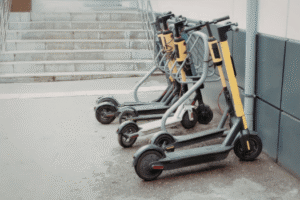


If you tapped “I agree” before renting an e-bike or e-scooter, you may have been told your injury claim is over. It usually isn’t. E-bike and e-scooter waivers in Las Vegas are narrower than the rental company wants you to think. What happens next depends on three questions: who actually caused the crash, what the waiver really says, and who it names.
A waiver is a contract between you and the company that wrote it. It can’t erase the negligence of a driver who ran a red light on Tropicana. It usually can’t excuse a company that knowingly sent you out on a scooter with worn brakes. And a click-through often does little to stop a claim against a manufacturer whose battery or frame failed.
Before you give up on a claim, talk with a Las Vegas e-bike and e-scooter accident lawyer who will read the actual terms you agreed to. Here’s what those terms usually say and where they break down.
What You Actually Agreed To When You Tapped “I Agree”
Most rental agreements, whether in an app or signed at a counter near the Strip or downtown, stack the same few clauses. Knowing which one the company is pointing to tells you a lot.
Release of Liability
This is the “you can’t sue us” clause. It tries to release the rental company from claims for injuries, sometimes including injuries caused by the company’s own negligence. Some versions also try to cover affiliates, maintenance contractors, and manufacturers.
Assumption of Risk
Here you acknowledge that riding carries risks: falls, potholes, traffic, equipment problems. Companies use this clause to argue you accepted every danger, even one they created. But acknowledging that riding is risky is not the same as agreeing that the company can be careless with the equipment it hands you.
Forced Arbitration and Class-Action Waivers
Many terms send disputes to private arbitration instead of a courtroom and bar you from joining a class action. That changes where your claim is decided. It doesn’t mean you have no claim.
Notice Deadlines and Other Fine Print
Some rental terms require you to report an incident or give written notice within a set period. They may also try to limit damages or choose which state’s law applies. These clauses can be challenged, but you don’t want to miss one by accident. Separately, Nevada generally gives you two years from the date of injury to file a personal injury lawsuit under NRS 11.190(4)(e). Our guide to the Nevada statute of limitations for personal injury explains when that clock starts.
Do E-Bike and E-Scooter Waivers Hold Up in Las Vegas?
Sometimes, and far less often than the rental company implies. Nevada courts will enforce a clearly written waiver in some situations. But they look hard at what it actually says and at who is trying to use it.
It Must Clearly Release the Company’s Own Negligence
A waiver that lists general “risks of riding” is not automatically a release of the company’s own carelessness. To block a negligence claim, the language generally has to say clearly and specifically that you’re giving up claims caused by that company’s negligence. Unclear wording is usually read against the company that wrote it, since it controlled every word.
Reckless or Grossly Negligent Conduct Is a Different Story
Courts are much less willing to enforce a waiver against conduct worse than ordinary carelessness. That includes renting out a scooter the company knew had failing brakes, ignoring repeated rider complaints about a unit, or skipping safety checks entirely. The more the evidence shows the company knew and did nothing, the weaker the waiver becomes.
A Waiver Only Protects the Parties It Names
This is the point rental companies and insurers tend to skip. Your rental agreement is a contract between you and the rental company. It doesn’t protect the driver who turned left in front of you at Flamingo and Paradise, a hotel whose driveway exit blocked your view, or anyone else who never signed it. Most e-scooter and e-bike injury claims in Las Vegas involve a motor vehicle, and that driver’s liability is completely separate from any rental waiver.
Arbitration Moves Your Case, It Doesn’t End It
Federal law generally favors enforcing arbitration clauses. But in arbitration you still present evidence and can still recover compensation. The only difference is that an arbitrator decides the case instead of a jury. Nevada courts can refuse to enforce an arbitration clause that is unfair in both how it was presented to you and in what it says. And a claim against a negligent driver isn’t bound by the rental company’s arbitration clause at all.
Operator Error or Equipment Failure? Why the Answer Changes Who Pays
The single most important question in these cases is what failed: a driver, the company’s upkeep, the product itself, or your riding. Each answer points to a different defendant, and the waiver matters very differently in each.
| What caused the crash | Who may be responsible | How much the waiver matters |
|---|---|---|
| A driver hit you | The driver and their auto insurer | Not at all. The driver never signed it |
| Skipped maintenance, worn brakes, loose stem | The rental operator | Contested. Depends on the wording and how careless the company was |
| Design or manufacturing defect, battery fire | The manufacturer, distributor, or seller | Often weak. Defect claims don’t depend on proving carelessness |
| Road hazard or dangerous design | A property owner or government entity | Not at all. They never signed it |
| The rider’s own mistake | Shared fault reduces recovery | Comparative fault is the fight, not the waiver |
Maintenance Failures by the Rental Operator
Rental fleets take a beating in Las Vegas heat, and those devices need regular inspection. Worn brake pads, a loose folding stem, a sticking throttle, or a cracked deck are maintenance problems, and maintenance is the company’s job. If the company cut corners on inspections, its own records can prove it.
Product Defects: Brakes, Stems, Throttles, and Battery Fires
When the device itself is dangerous, the claim can go straight to the companies that designed, built, or sold it. Examples include a frame that snaps, a throttle that surges, or a lithium battery that overheats and catches fire. Nevada applies strict product liability, which means you generally have to show the product was defective and that the defect caused your injury, not that someone was careless. That’s why a click-through release is often a weak shield for a manufacturer. If a defect is involved, a Las Vegas product defect lawyer can look at the device and the rest of that model line.
When They Blame Your Riding
Expect the other side to say you were going too fast, riding on the sidewalk, or not paying attention. Nevada’s modified comparative negligence rule means shared fault reduces your recovery but doesn’t erase it, as long as your share isn’t greater than the defendants’. Our breakdown of who is at fault for an e-bike crash in Las Vegas walks through how that split works.
Own Your E-Bike? Your Warranty Doesn’t Cap an Injury Claim
Many Las Vegas riders don’t rent at all. They bought their e-bike or scooter, sometimes because of a long battery or frame warranty. Those warranties often say the company’s only obligation is to “repair or replace” the product.
That promise covers the product, not your injuries. Under NRS 104.2719(3), a clause limiting damages for personal injury caused by consumer goods is presumed unconscionable under Nevada law. In plain terms, a manufacturer generally can’t use a warranty to hand you a new battery and walk away from the injuries its defective one caused. Keep your receipt, warranty card, and any recall notices. They help show exactly which product you had.
The Evidence That Decides These Cases, and Who’s Holding It
Evidence in these cases disappears quickly, and most of it isn’t in your hands.
Ride Data Only the Company Has
App-based rentals and many newer e-bikes record far more than a ride receipt. Depending on the device, that can include your GPS route, speed, braking inputs, unlock and lock times, error or fault codes, and battery temperature logs. That data can show whether you were riding normally when the brakes or motor failed. It also belongs to the company, which is why it needs to be formally requested and preserved quickly.
Maintenance Records and the Unit’s History
Every fleet device should have a service history: inspection dates, repair tickets, parts replaced, and complaints from earlier riders. A record showing the same scooter was reported for brake trouble two days before your crash changes the case. It also undercuts any waiver defense.
The Device Itself
If you own the e-bike or scooter, don’t repair it, throw it away, or send it back to the manufacturer. If it’s a rental, photograph it, including its ID number, before it’s returned or collected. Once a claim is reasonably foreseeable, the company has a legal duty to preserve relevant evidence. A lawyer can send a written preservation demand that puts them on notice. If a company loses or destroys evidence it should have kept, Nevada law can allow a jury to assume that evidence would have hurt the company.
What to Save on Your Phone Today
Screenshot your ride history, receipt, and the rental terms as they appear in the app. Keep your medical records and photos of your injuries and the scene. If you’re visiting and flying home soon, our guide for anyone hurt on a scooter while visiting Las Vegas covers what to do before you leave town. Not sure which companies actually rent scooters here? See whether Lime or Bird scooters operate in Las Vegas.
How Glen Howard Reads a Waiver From the Other Side
Glen Howard spent years as an insurance defense attorney before founding Howard Injury Law. He knows how the other side uses fine print. A waiver is often the first thing an adjuster brings up, because it gets injured riders to stop asking questions. Glen also knows where those documents fall apart: vague language, missing names, ignored maintenance, and defects no contract can excuse.
As a Nevada-licensed Las Vegas motor vehicle accident attorney, Glen handles e-bike, e-scooter, and other micromobility claims across Las Vegas, Henderson, Summerlin, and Clark County. The first step is simple: send us what you agreed to, and we’ll tell you what it really means for your case. Every case is different, so treat this article as general information, not advice about your specific situation.
Frequently Asked Questions
Does a waiver protect the driver who hit me on my e-scooter?
No. A rental waiver is a contract between you and the rental company, and it doesn’t protect anyone who didn’t sign it. If a car, rideshare vehicle, or truck hit you, that driver’s negligence is a separate claim, usually paid through their auto liability insurance. Your own uninsured/underinsured motorist coverage may also apply, depending on your policy. The waiver doesn’t enter into it. This is often where the largest recovery in an e-scooter case comes from, which is why it’s worth having a lawyer identify every party involved before you accept that the waiver ends your case.
Can I sue the manufacturer if my e-bike battery caught fire?
Often, yes. Nevada applies strict product liability, so an injured person generally needs to show the battery or charger was defective and that the defect caused the injury, not that the manufacturer was careless. Claims can reach the manufacturer, the battery maker, and sometimes the seller. Preserving what’s left of the battery, charger, and bike matters a great deal, so don’t discard anything, even if it’s badly damaged. A warranty that only promises a replacement doesn’t cap your injury claim under Nevada law.
Do I have to go to arbitration after an e-scooter accident?
Only for claims against the company whose agreement includes the arbitration clause, and only if that clause is enforceable. Claims against a negligent driver, a property owner, or a manufacturer not covered by the agreement usually proceed separately. Nevada courts can decline to enforce an arbitration clause that is unfair both in how it was presented and in its terms. Even when arbitration applies, you still present evidence and can still recover compensation. The case is just decided by an arbitrator instead of a jury.
What if my rental scooter’s brakes failed?
A brake failure raises two questions: was the scooter poorly maintained, or was it defective? Maintenance points to the rental operator. A defect points to the manufacturer. Either way, the company’s service records and the scooter’s ride data become key evidence, and both can be lost if nobody acts quickly. Photograph the scooter and its ID number, save your ride history, and get medical care. Then have an attorney send a preservation demand before that unit is repaired or put back into service.

Don’t Let a Click-Through Decide Your Case
You tapped “I agree” to ride a scooter, not to give up every right you have if the brakes fail or a driver hits you. Before you accept what a rental company or insurer tells you, have a rental scooter accident lawyer in Las Vegas read the actual agreement and look at how your crash happened.
Howard Injury Law offers a free case review, and you pay no fee unless we win. Request your free waiver and case review. Tell us what happened, and we’ll tell you whether that waiver really stands in your way.