


Every summer, Las Vegas roads get more crowded, more distracted, and more dangerous — and there’s a name for the stretch that does the most damage. Traffic safety experts call the period between Memorial Day and Labor Day the 100 deadliest days of summer driving, because that’s when fatal crashes involving teen drivers spike across Nevada and the rest of the country. If you have a new driver in the house, or you were recently hurt by someone who wasn’t paying attention, that spike isn’t an abstraction. It’s the reason this window matters.
This guide breaks down what those 100 days actually are, why summer is the riskiest time to be on the road here, and what Nevada law says when an inexperienced or careless driver causes a crash.

What Are the “100 Deadliest Days” of Driving?
The 100 deadliest days run from Memorial Day weekend through Labor Day. AAA gave the period its name after reviewing years of national crash data and finding a consistent, ugly pattern: roughly 30% of all fatal crashes involving teen drivers happen during these three months, even though they make up less than a third of the year.
Nationally, that works out to about eight deaths a day during the window. And here’s the part most people miss — in about two out of three of those crashes, the person killed is not the teen behind the wheel. It’s a passenger, another driver, a pedestrian, or a cyclist. When a young or distracted driver makes a mistake in summer traffic, the people around them pay for it too.
Why Summer Is the Riskiest Time to Drive in Las Vegas
Summer stacks risk factors on top of each other, and Las Vegas gets a heavier dose than most cities.
School lets out, so more teen drivers are on the road — often late at night, often with friends in the car. Tourism peaks, which means more unfamiliar drivers navigating the Strip, I-15, and the 215 Beltway for the first time. Extreme heat stresses vehicles and tempers alike. And the calendar fills with holidays, concerts, and events that push impaired driving up right alongside everything else.
Put it together and the busiest interchanges — Tropicana and I-15, Sahara and Decatur, the US-95 corridor through the valley — carry more inexperienced, distracted, and impaired drivers than at any other time of year. If summer crashes feel like they cluster, it’s because they do.
What Is the #1 Killer on the Road?
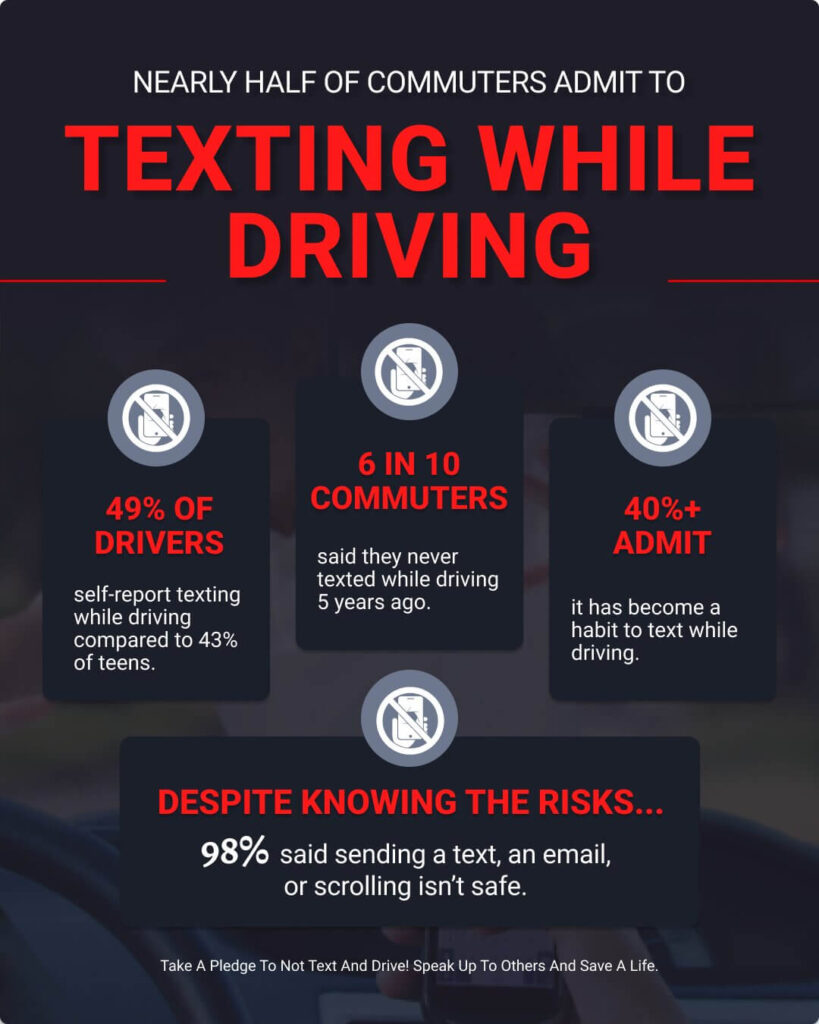
There isn’t one single cause, but the biggest, most preventable killer is driver distraction — and it’s climbing every year. Distraction plays a role in a large share of teen crashes, and it’s not just phones. Adjusting music, eating, reaching for something, or turning to talk to passengers all pull attention off the road long enough to end a life.
Speeding and impaired driving round out the top three. Each one is a choice, which is exactly why these crashes are considered preventable. If a distracted driver hurt you, the crash may qualify as a negligence claim — you can read more about how those cases work on our page covering distracted driving accidents in Las Vegas.
What Age Are the Riskiest Drivers?
Drivers between 16 and 19 carry the highest crash risk of any age group. For every mile driven, the newest teen drivers are about three times more likely to be in a fatal crash than adults. Motor vehicle crashes remain the leading cause of death for this age group.
The reason isn’t recklessness alone — it’s inexperience. A new driver hasn’t yet built the reflexes to read a merge on I-15 at 70 mph, judge a yellow light near the Strip, or recover from a skid. Add a car full of friends and a phone buzzing on the seat, and the margin for error disappears. That’s the profile behind most of the summer spike.
Nevada’s Teen Driving Laws Every Parent Should Know
Nevada uses a graduated licensing system designed to ease teens onto the road in stages, and the rules exist precisely because of the summer risk data above.
A teen can apply for a learner’s permit at 15½. To move up to an intermediate license at 16, they must hold that permit for at least six months, complete driver’s education, and log 50 hours of supervised driving — 10 of them at night. Once licensed, two restrictions kick in that matter most during summer:
- No young passengers for the first six months. A newly licensed 16- or 17-year-old can’t carry passengers under 18 (except immediate family). Extra teens in the car are one of the single biggest crash multipliers.
- A nighttime curfew. Drivers under 18 can’t be on the road between 10 p.m. and 5 a.m. unless they’re driving to or from a scheduled event like work or school.
Nevada also enforces a near-zero-tolerance rule for underage drinking and driving: anyone under 21 can face a DUI at a blood alcohol level of just 0.02. These laws are the backbone of teen safety here — and if you want prevention tips for a new driver in your family, our post on supporting teen and young driver safety goes deeper on that side.
Who’s Liable if a Teen or Distracted Driver Hurts You?
This is where a safety statistic becomes a legal question. Nevada is an at-fault state, which means the driver who caused the crash — and their insurance — is responsible for the resulting injuries and losses.
When a teen driver is at fault, a claim often reaches the vehicle owner’s insurance policy, since that’s usually the parent’s coverage. Nevada also recognizes situations where a parent can be held responsible for a minor’s conduct behind the wheel, and where handing keys to a driver known to be unsafe creates additional liability. Every crash turns on its own facts, so general rules only take you so far — the specifics of your case determine who pays and how much.
What matters for you is this: a summer crash caused by an inexperienced, distracted, or impaired driver is rarely “just an accident.” Someone made a choice, and Nevada law gives injured people a path to recover for medical bills, lost income, and pain and suffering. You can see how these claims are valued and negotiated on our main Las Vegas car accident page, part of our broader motor vehicle accident practice.
Hurt During Nevada’s Deadliest Driving Days?
If you or someone in your family was injured this summer, the insurance company is already working to pay you as little as possible. That’s not cynicism — it’s their business model. Attorney Glen Howard spent years on the insurance-defense side before founding this firm, so he knows exactly how adjusters build their lowball offers and how to take them apart.
A free consultation costs you nothing and answers the one question keeping you up at night: do you actually have a case? We work on contingency, so there’s no fee unless we win. Call (702) 331-5722 or reach out through our contact page to talk through what happened while the details are still fresh.
Frequently Asked Questions
What are the 100 deadliest days of driving?
The 100 deadliest days are the stretch between Memorial Day and Labor Day each summer. AAA named the period after crash data showed that roughly 30% of fatal crashes involving teen drivers occur during these three months. Nationally, about eight people die every day in teen-involved crashes during this window — and in most cases, the person killed isn’t the teen driver but a passenger or someone in another vehicle. More teens are on the road, often at night and with friends, which raises the risk for everyone sharing Las Vegas streets and highways.
What are the riskiest days to drive?
Summer weekends and holidays are consistently the riskiest days to drive, especially in a tourist city like Las Vegas. Memorial Day, the Fourth of July, and Labor Day see spikes in both teen-driver and impaired-driving crashes. Late-night hours are particularly dangerous, since that combines fatigue, alcohol, and inexperienced drivers. On busy corridors like I-15, US-95, and the 215 Beltway, heavy summer traffic and out-of-town drivers add to the danger. If you can avoid driving during peak holiday nights, you lower your exposure to the most crash-prone conditions of the year.
What is the #1 killer in driving?
Driver distraction is the leading preventable cause of serious crashes, and it’s getting worse. Anything that takes a driver’s eyes, hands, or attention off the road — texting, eating, adjusting the dashboard, or turning to talk to passengers — dramatically raises crash risk. Speeding and impaired driving are close behind, and the three often overlap. What they share is that every one is a choice. That’s why crashes tied to distraction, speed, or impairment can support an injury claim: they point to a driver who failed to use reasonable care.
What age group has the most dangerous drivers?
Drivers ages 16 to 19 have the highest crash risk of any age group. Per mile driven, the newest teen drivers are about three times more likely to be involved in a fatal crash than adults, and motor vehicle crashes are the leading cause of death for teenagers. The main factor is inexperience rather than recklessness alone — new drivers haven’t built the instincts to handle fast merges, sudden stops, or bad conditions. Passengers and distraction magnify that inexperience, which is why summer, when teens drive more, produces the sharpest spike.
Can I sue if a teen driver caused my crash in Las Vegas?
Often, yes. Nevada is an at-fault state, so the driver who caused the crash is responsible for your injuries and losses. When the at-fault driver is a teen, a claim frequently reaches the vehicle owner’s insurance — usually a parent’s policy — and Nevada law recognizes certain situations where a parent may share liability. Because every case depends on its facts, the best step is a free consultation where an attorney can review what happened and tell you whether you have a claim and what it may be worth. There’s no fee unless the firm wins your case.

Staying Safe Through Nevada’s Deadliest Days
The 100 deadliest days of summer driving aren’t random bad luck — they’re a predictable window, which means you can drive defensively through them. Give teen drivers extra room, stay off your phone at the Strip’s busiest interchanges, and treat every holiday weekend on I-15 as higher-risk than it looks. Still, no amount of caution controls the driver in the next lane. If a distracted, speeding, or inexperienced driver turns your summer upside down, you don’t have to sort out the insurance fight, the medical bills, and the fault question on your own.
One free call with a Las Vegas attorney who knows how the other side builds its offers is enough to tell you where you stand — and it’s the first step toward getting your life back on track.