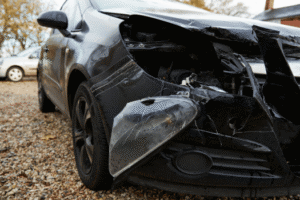


Car crashes happen every day in the Las Vegas valley—on I‑15 by the Spaghetti Bowl, along the 215, and on busy surface streets near the Strip. Some people walk away with soreness that fades in a few days. Others face serious, life‑changing injuries that affect their work, family, and future. Understanding the most common injuries after collisions in Las Vegas can help you recognize when a crash is more serious than it first appears, typical injuries that happen, why symptoms can be delayed, why it’s so important to get both medical and legal help.
Howard Injury Law represents injured drivers, passengers, pedestrians, and families throughout Nevada, helping them pursue the compensation for pain and suffering they need to move forward after these injuries. If you’ve suffered injuries in a Las Vegas collision, our car accident attorney in Las Vegas can help you document your injuries properly and pursue the compensation your recovery requires.
Call us at Howard Injury Law 24/7 at (702) 331-5722 for a free consultation or fill out our 24/7 web form.
Whiplash and Other Neck Injuries
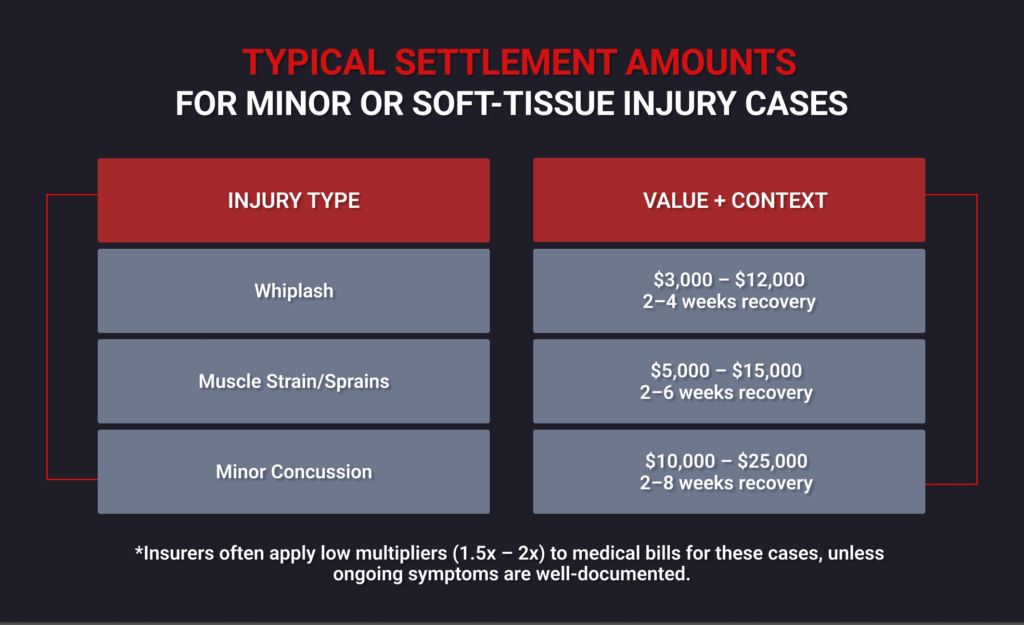
One of the most common injuries after rear‑end and side‑impact collisions in Vegas is whiplash. A sudden jolt—like being hit from behind at a stoplight on Flamingo or Rainbow—can snap your head forward and back, overstretching muscles, ligaments, and soft tissue in the neck. Victims often experience:
- Stiffness and reduced range of motion
- Headaches that start at the base of the skull
- Soreness in the shoulders or upper back
Whiplash may sound minor, but untreated soft‑tissue damage can lead to chronic pain and ongoing limitations. More serious neck trauma, such as cervical fractures or nerve compression, can cause numbness, tingling, or weakness in the arms and hands and may require surgery or long‑term therapy.
Concussions and Traumatic Brain Injuries
Head injuries are another major category among the most common injuries after collisions in Vegas. Even when there is no visible cut or bruise, the brain can be injured by sudden acceleration and deceleration inside the skull.
A concussion occurs when the brain moves and shakes within the surrounding fluid. People may notice:
- Headaches or pressure in the head
- Confusion, “brain fog,” or trouble concentrating
- Drowsiness, dizziness, or balance problems
- Nausea or sensitivity to light and noise
- Short‑term memory gaps around the crash
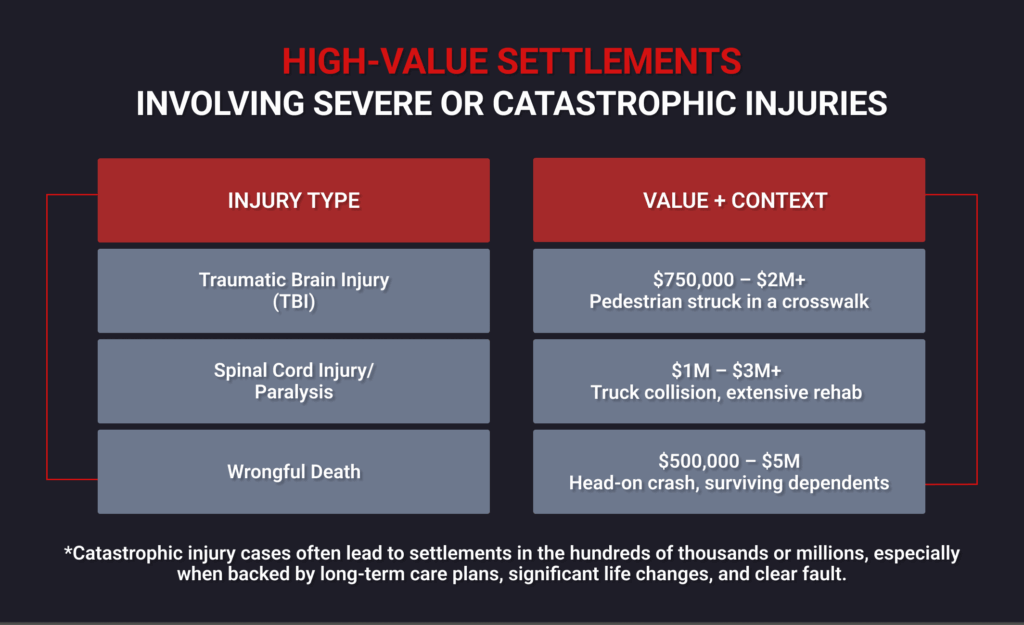
While many concussions improve over weeks to a couple of months with rest and careful monitoring, some victims develop longer‑lasting symptoms that interfere with work and day‑to‑day life. More severe traumatic brain injuries (TBIs) can cause speech problems, personality changes, seizures, or permanent cognitive challenges.
Any blow to the head, loss of consciousness, or concussion‑like symptoms after a crash on Las Vegas roads should be evaluated promptly in an emergency room or by a neurologist. Early diagnosis and documentation are crucial for both health and any future injury claim.
Learn about catastrophic injury claims in Nevada →
Back and Spinal Cord Injuries
The force of a collision can also damage the spine. Common back‑related injuries include:
- Herniated or bulging discs – The cushioning discs between vertebrae can tear or shift, pressing on nerves and causing pain, numbness, or weakness in the back, legs, or arms.
- Vertebral fractures – Broken bones in the spine can be extremely painful and may require bracing, surgery, or both.
In the most serious crashes—such as high‑speed impacts on I‑15 or rollover accidents—a victim may suffer a spinal cord injury. Depending on where and how badly the cord is damaged, this can lead to partial or total paralysis, loss of sensation, and a need for lifelong support and medical care.
Back and spinal injuries often do not fully reveal themselves in the first hours after a crash. Pain may increase over days, and mobility can slowly worsen. That is why prompt imaging, specialist visits, and careful follow‑up are so important.
Broken Bones and Orthopedic Injuries
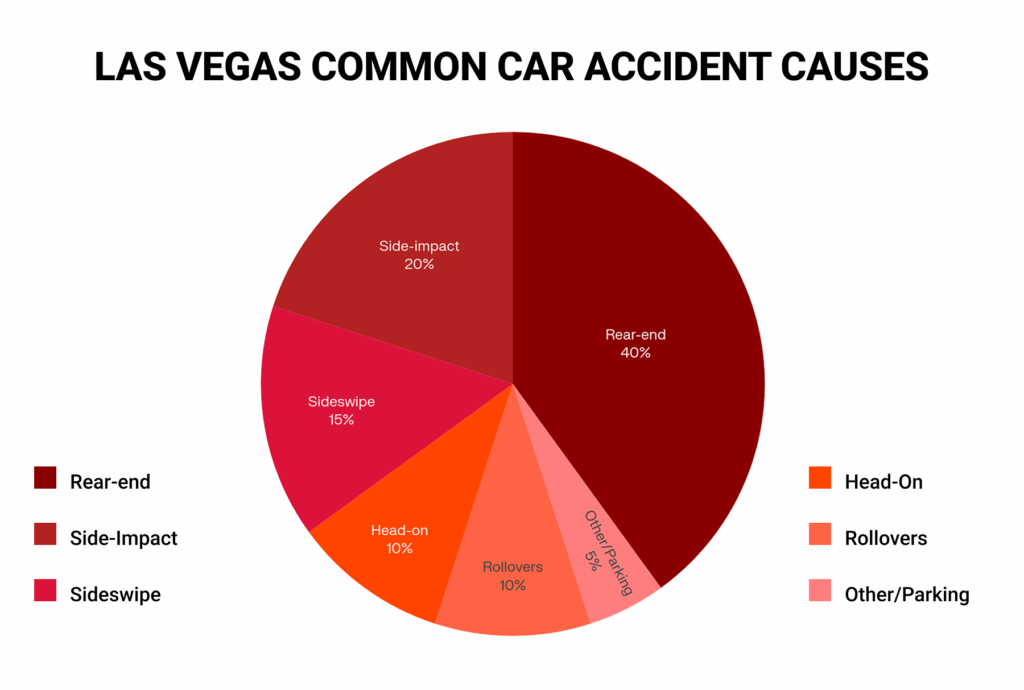
Fractures are also among the most common injuries after collisions in Vegas, especially in:
- Arms and wrists (from bracing against the dashboard or steering wheel)
- Legs, ankles, and knees (from intrusion into the footwell or impact with interior panels)
- Ribs and collarbones (from seatbelts and airbags)
Some fractures are simple and heal with casting and time. Others are complex, involving shattered bones, joint surfaces, or multiple breaks that require surgical repair, plates, screws, or rods. Severe orthopedic injuries can:
- Keep you off your feet or out of work for months
- Lead to stiffness, arthritis, or reduced range of motion
- Require physical therapy and, sometimes, additional surgeries in the future
Even when bones heal, the long‑term effects can significantly impact your ability to return to the same job or activities you enjoyed before the collision.
Learn about the average settlement for a car accident in Las Vegas →
Soft‑Tissue Damage and Internal Injuries
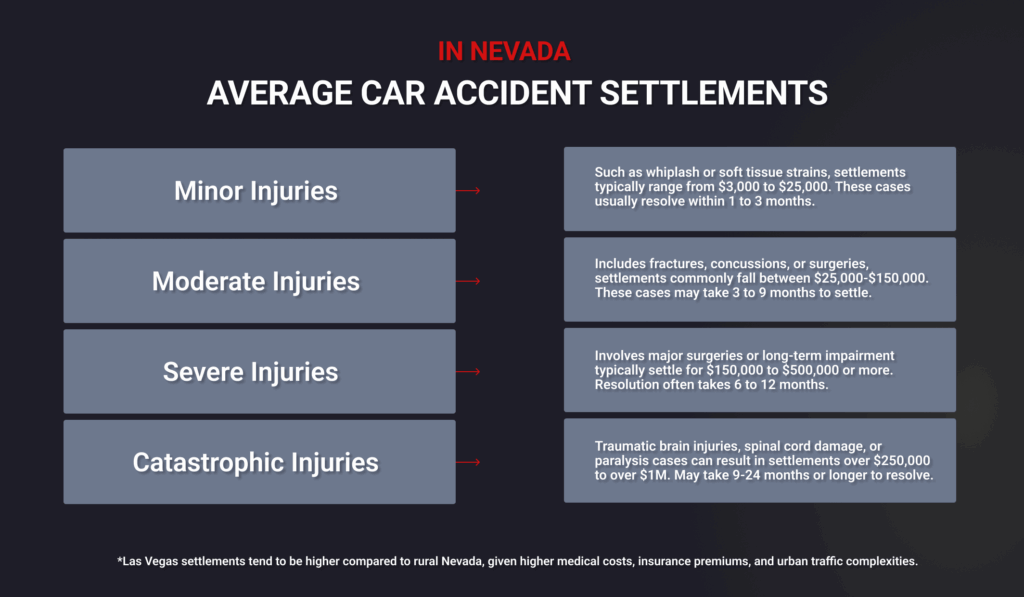
Not all serious injuries are visible from the outside. High‑speed or high‑impact crashes can cause:
- Deep muscle strains and ligament tears – Particularly in the shoulders, hips, and knees. These can be painful, slow to heal, and easily aggravated by everyday activities.
- Internal bleeding and organ damage – Blunt‑force trauma from seatbelts, steering wheels, or the vehicle interior can injure organs such as the liver, spleen, or kidneys.
Symptoms like increasing abdominal pain, dizziness, shortness of breath, or extreme fatigue after a crash can signal dangerous internal issues. These require immediate medical attention; delaying care can be life‑threatening and may also complicate any later legal claim.

Cuts, Scarring, and Disfigurement
Shattered glass, twisted metal, and airbag deployment can cause:
- Lacerations and deep cuts
- Road rash and abrasions from being thrown or dragged
- Burns from fires, hot surfaces, or chemical exposure
While some wounds heal relatively cleanly, others leave visible scars or disfigurement, especially on the face, arms, or hands. Beyond physical pain, these injuries can affect self‑confidence, social life, and emotional well‑being. Reconstruction, scar‑revision surgery, and counseling may all be part of long‑term recovery.

Emotional and Psychological Trauma
Not all injuries show up on X‑rays or CT scans. Many people struggle with emotional and psychological harm after a serious Vegas crash, including:
- Anxiety or panic when driving or riding in a car
- Nightmares or flashbacks about the collision
- Sleep disturbances and irritability
- Depression or withdrawal from usual activities
Conditions like post‑traumatic stress disorder (PTSD) can be triggered by the sudden, violent nature of a collision, especially when the crash involves high speed, severe injury, or loss of life. Therapy, medication, and time can help, but emotional injuries are very real and should be taken as seriously as physical ones.
A comprehensive injury claim should recognize and account for this type of harm—not just your medical bills.

Why Documentation Matters for These Injuries
No matter which of the most common injuries after collisions in Vegas you are dealing with, evidence is key. Building a strong case typically involves:
- Medical records and imaging – ER notes, specialist reports, X‑rays, MRIs, and CT scans help prove what injuries you have and how they connect to the crash.
- Bills and receipts – These show the financial impact of treatment, medications, and rehabilitation.
- Work records – Pay stubs and employer letters document time missed from work and reduced earning capacity.
- Photos and journals – Images of bruising, scars, casts, and medical devices, plus written notes about pain levels and daily limitations, can make the human impact of your injuries clear.
An attorney can help collect and organize this evidence so that insurers and, if needed, a jury see the full picture of how the collision has changed your life.
Howard Injury Law Helps After a Collision in Vegas
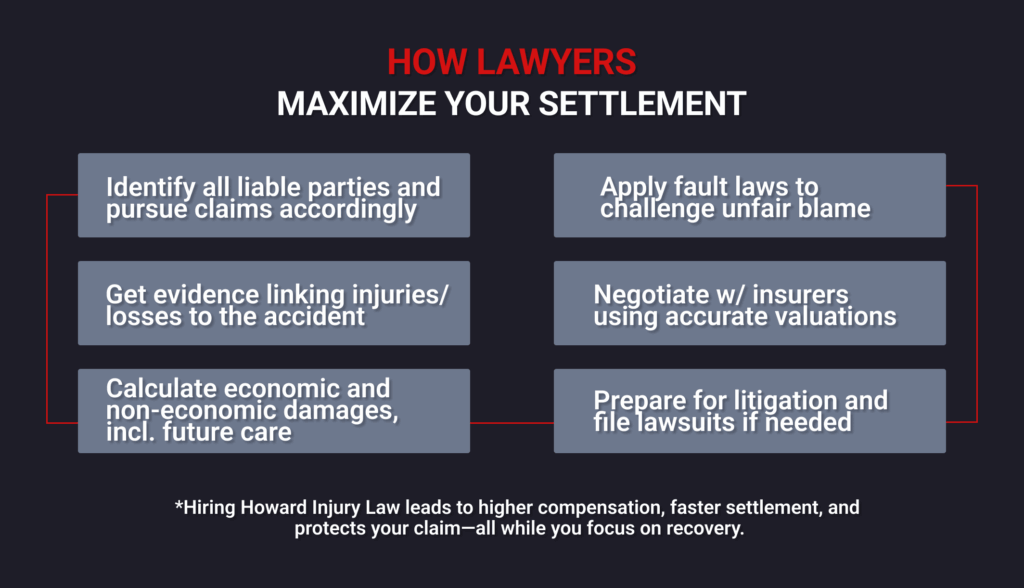
If you were hurt in a crash on Las Vegas roads, you should not have to navigate injuries and insurance battles alone. Howard Injury Law can:
- Explain your rights and options in plain language
- Investigate the crash to determine who is responsible
- Work with your doctors and, when needed, medical experts to understand your prognosis and future needs
- Calculate both economic damages (medical bills, lost wages, future care) and non‑economic damages (pain, suffering, emotional distress)
- Negotiate with insurance companies that may try to minimize your injuries or shift blame
- Take your case to court if that is what it takes to pursue fair compensation
The firm handles these cases on a contingency fee basis, meaning you do not owe attorney’s fees unless money is recovered for you.
Your Las Vegas Collision Lawyer
If you’re dealing with any of the most common injuries after collisions in Vegas—from whiplash or fractures to brain, spine, or emotional distress—the path forward can feel uncertain. You may be wondering how you will pay medical bills, when you can return to work, or whether an insurance offer is fair.
At Howard Injury Law, we expertly guide you through the legal process as your dedicated personal injury lawyer in Las Vegas. From the initial FREE consultation to the resolution of your case, our experienced car accident attorneys or personal injury lawyers serve Nevada, California, Colorado, and Arizona, and are committed to providing comprehensive support and representation. We understand the complexities and challenges that come with personal injury claims, and we’re here to ensure that your rights are protected every step of the way. Call or fill out our free online form!
Free Consultation with Howard Injury Law:
📲 (702) 331-5722
🗣 Se Habla Español
🗣 Wǒmen shuō pǔtōnghuà hé yuèyǔ
🚀 Highly recognized by Avvo and named among NAOPIA’s Top 10 Personal Injury Attorneys in Nevada, along with many other prestigious awards. We’re the trusted Accident Attorney Las Vegas with elite trial strength when your future is on the line!
🏛️ Find us on Justia, Yelp and Google Maps.
📱 Follow us on Instagram, Facebook, TikTok, or X for ongoing community news, updates, and personal injury safety tips.